
Reviewed · KILIMANJARO TREKS
7 Days Kilimanjaro trek via Machame route
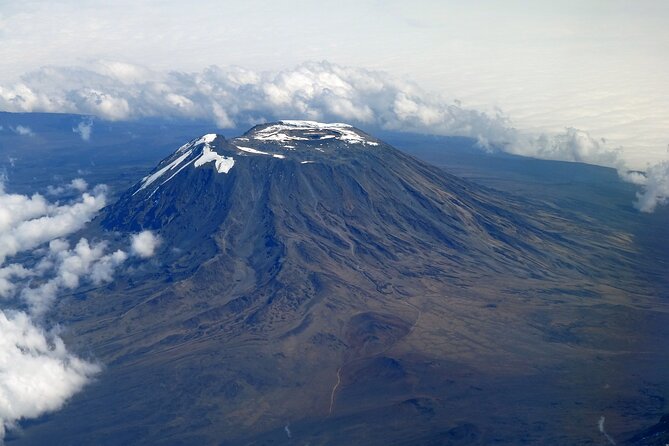
Kilimanjaro’s Machame Route gives you a strong mix of forest, high-altitude plants, volcanic rock, glaciers, and wide views across Tanzania. The route reaches Barranco Camp, climbs the Barranco Wall, crosses the alpine desert to Barafu, then sends you up to Uhuru Peak after midnight.
I like the careful acclimatization built into the plan, especially the high point above 4,500 meters before descending to Barranco Camp. I also like the personal support from guide Gasto James and his team, who are praised for patient pole pole pacing, summit encouragement, cultural stories, and singing during the hardest hours.
The main drawback is the schedule. Seven days is demanding, and summit night includes a steep, cold, tiring climb followed by a long descent. Machame is also one of the busiest camping routes, so you should expect company on the trail and at camp.
Key points to know before you book
- The route climbs through several distinct zones: cloud forest, heather, high-altitude plants, barren volcanic ground, and glacier country.
- Barranco Wall is the day’s main physical challenge: expect a roughly hour-and-a-half scramble that may require using your hands.
- Day three helps with altitude adjustment: you climb to about 4,530 meters, then sleep lower at Barranco Camp.
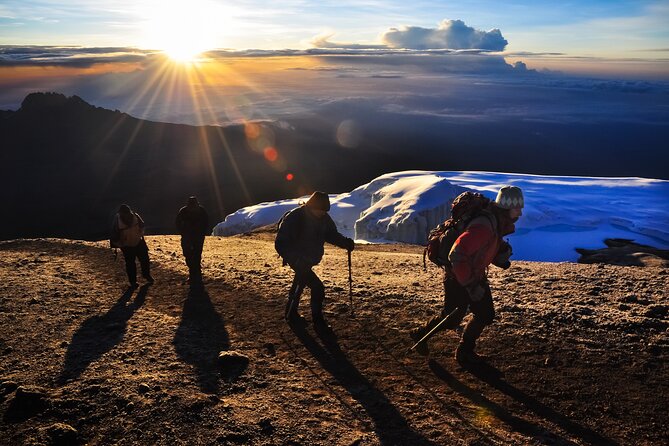
- Summit night starts around midnight: the first six hours are steep and usually done by headlamp before reaching Stella Point.
- The package is built around full mountain support: tents, guides, cooks, meals, purified water, park fees, and rescue fees are included.
- You still need to budget for gear, tips, and a visa: these are not covered by the $2,800 price.
Why the Machame Route is worth considering
The Machame Route is popular for good reason. It reaches the trailhead relatively easily from Arusha, then gives you a changing mountain experience rather than one long walk through similar scenery.
Your first day begins with a drive of about an hour and a half through villages and coffee farms to Machame Gate. While the climb is being registered and the porters prepare, you have time to get organized before entering Kilimanjaro National Park.
The first walk leads into a moss-covered cloud forest. This is one of the most memorable parts of the climb, with tall trees, damp air, heathers, grasses, and wildflowers. As the forest thins, you may catch your first clear view of Kibo Peak, the summit cone that remains your destination for the next several days.
I like this opening because it feels like a real transition. You do not begin in bare rock and cold air. You start among farms and forest, then watch the mountain environment change as you gain height.
The route is not a quiet wilderness experience. Machame is the most popular camping route overall, so you will share sections of the trail and camp areas with many other climbing parties. A private trip means only your own group participates in the activity, but it does not mean you will have the mountain to yourself.
Other routes up the mountain from Arusha:
- 8-Day Small-group Lemosho Kilimanjaro Summit Trekking
★ 5.0 · 186 reviews - 5 Days Best of Tanzania Luxury Safari Northern Circuit
★ 5.0 · 174 reviews - 7-Day Machame Kilimanjaro Summit Tour from Arusha
★ 5.0 · 125 reviews
Day one: coffee farms, cloud forest, and Machame Camp
The first day covers about six hours of hiking after the drive to Machame Gate. Your guides, porters, and cooks join you there, and the support team goes ahead to prepare camp.
You should take this day at a steady pace. The forest section can feel warm and humid, and the trail may be uneven. Later, the ground opens up and the views improve, but the real goal is simply to reach camp feeling strong rather than to race ahead.
The changing vegetation gives you an early lesson in how Kilimanjaro works. You begin among trees, then move toward heather and tall grasses. If cloud cover breaks, Kibo appears above the route, giving you a clear reminder of the scale of the climb.
Day two: Shira Plateau and the first big views
Day two takes about six hours and includes several uphill sections. Carry plenty of drinking water because a clear day can feel hot, even as the air gets colder with altitude.
The route offers views down toward the plains and forests, as well as toward Kibo and Mawenzi. You will also notice smaller, high-altitude plants such as giant senecio and lobelia, which give this part of the climb a distinctly different feel from the forest below.
After lunch, you climb onto the Shira Plateau. This broad volcanic area formed when lava from Kibo filled the Shira crater. From Shira Camp, Kibo lies to the west and Mount Meru to the east.
This is a useful day for appreciating the mountain’s size. You are high enough for the vegetation to thin out, but the walking remains manageable compared with summit day. Do not let the open views fool you into pushing too hard. Altitude problems can begin quietly, and a slow pace is part of the safety plan.
Day three: climbing high, sleeping lower
Day three is one of the most important days of the route. You gain only about 110 meters overall, but you climb roughly 690 meters to a high point of around 4,530 meters before descending to Barranco Camp.
That up-and-down pattern is valuable for acclimatization. You spend time at a higher elevation, then sleep lower, giving your body a better chance to adjust. The day takes about seven hours and moves through increasingly bare volcanic ground.
After crossing the Shira Plateau, you pass the junction where the Shira and Lemosho routes meet. The route continues across open terrain before lunch and reaches the day’s high point afterward.
Some groups take a detour toward Lava Tower, a roughly 300-foot volcanic formation. The detour adds a high point and can help with altitude adjustment, but it also adds effort. Your guide should help decide if it suits your condition that day.
The descent to Barranco Camp is a welcome change after the climb. Barranco is a favorite camp among the mountain staff, and the setting gives you a strong view of the rock walls and high country around you.
Same base, a different kind of day out:
- Serengeti Balloon Safari and authentic bush breakfast
★ 5.0 · 2,480 reviews - Balloon Safari & Bush Breakfast in Serengeti – Miracle Experience
★ 5.0 · 1,646 reviews - Tanzania Classic – 7 Days
★ 5.0 · 1,151 reviews - 4 Days Group Camping Safari
★ 5.0 · 1,101 reviews
Day four: the Barranco Wall and Karanga Valley
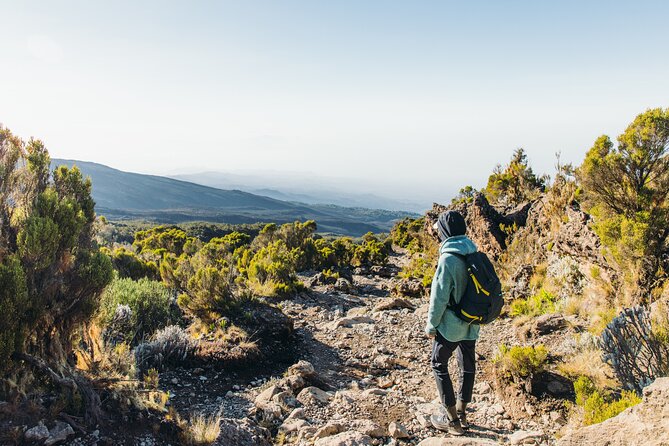
The fourth day lasts about seven hours, but the distance is not the only measure of difficulty. The morning begins with a scramble up the Barranco Wall, which takes roughly an hour and a half.
In places, you may use your hands for balance and assistance. This is not described as technical rock climbing, but it is more active than the steady walking on the previous days. Take your time, watch your footing, and follow your guide’s line.
Once over the wall, the trail becomes more level for a while. You then make a short, steep descent into the green Karanga River Valley. The route gains and loses ground instead of simply climbing toward the next camp, which can feel frustrating if you are watching altitude numbers.
I like this day because it adds variety and gives the trek a sense of adventure. The drawback is that the scrambling can be uncomfortable for anyone who dislikes exposed or awkward footing. Good shoes and a calm pace matter here.
Day five: alpine desert and Barafu Camp
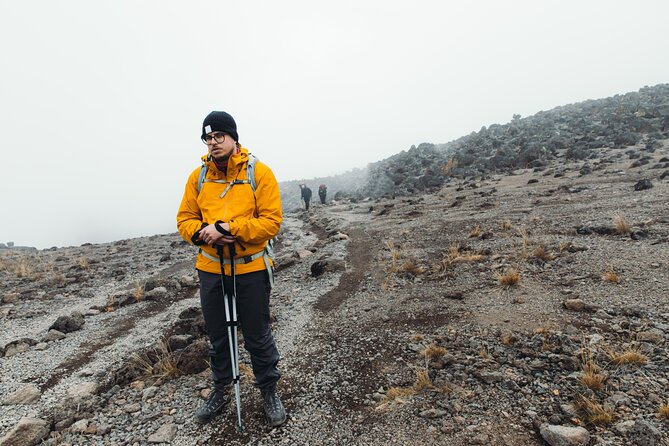
Day five takes about seven hours and leads to Barafu Camp. The route passes through alpine desert with little vegetation, a sharp contrast to the forest where you began.
Along the way, you can see several of Kibo’s glaciers. You also pass the junction connecting the Mweka descent route with the Machame trail. The route near this section includes views of the Heim, Kersten, and Decken Glaciers.
Barafu Camp has impressive views toward both Kibo and Mawenzi. It is also the point where the schedule becomes especially demanding. After dinner, you should try to sleep because the summit attempt begins before midnight.
That early bedtime is easier said than done. You may be tired but restless, and the cold or excitement can make sleep difficult. Organize your summit clothing, water, headlamp, and personal gear before lying down so you are not searching through your bag in the dark.
Day six: the midnight climb to Uhuru Peak
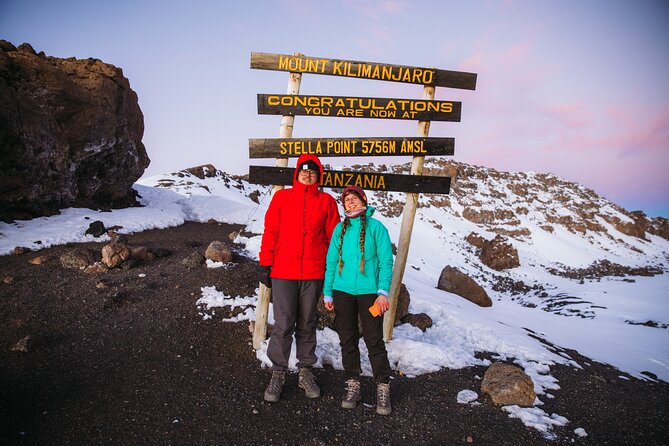
Summit day starts around midnight. You climb by headlamp for about six hours to reach Stella Point on the crater rim.
The trail is steep for much of the ascent. This is usually the hardest part of the trek, not because of complicated route finding, but because the combination of cold, darkness, steep ground, and altitude drains your energy.
The guides’ role becomes especially important here. The strongest praise for Gasto James and his team centers on encouragement, attention to pace, and helping people who struggle without turning the climb into a race. Their pole pole approach, meaning slowly and steadily, is exactly what you need at this stage.
The route reaches Stella Point first. From there, the path to Uhuru Peak is a more gradual climb along the crater rim and takes about an hour. The walking may be easier, but the altitude can still make every step feel slow.
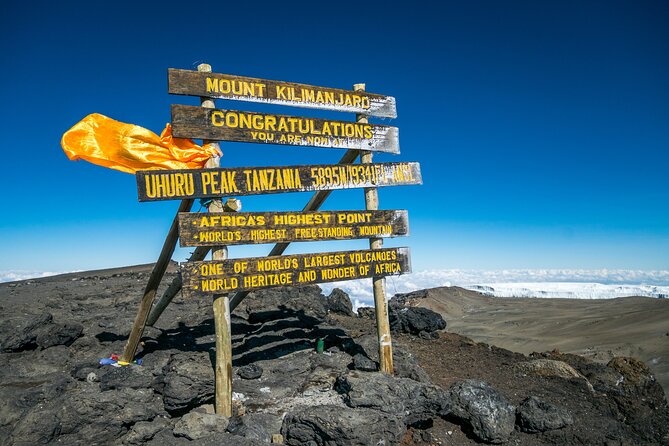
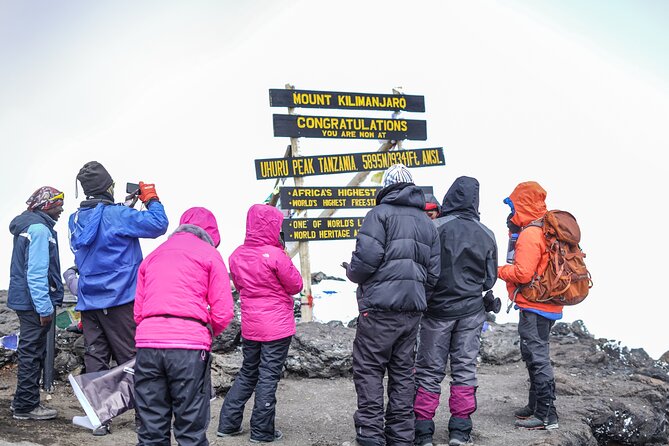
At Uhuru Peak, you have time for photographs with your guide and group. The summit views include the crater, clouds, mountain slopes, and glaciers. The supplied experience details do not promise a specific weather condition, so keep expectations flexible. Clear views are possible, but mountain weather can change quickly.
The descent begins after the summit. You return toward Barafu Camp and then continue to Mweka Camp. This is a long day even if the listed hiking time is about six hours, because the summit push begins during the night and includes a major descent afterward.
The singing described during the final ascent is a small but memorable detail. Gasto and his team are known for using song and encouragement to keep the group moving during the approach to Stella Point. That kind of morale can matter when the route feels endless.
Day seven: descending through forest to Mweka Gate
The final day takes about six hours and leads through forest to Mweka Gate. After the open, dry upper mountain, the trees feel like a return to a more familiar world.
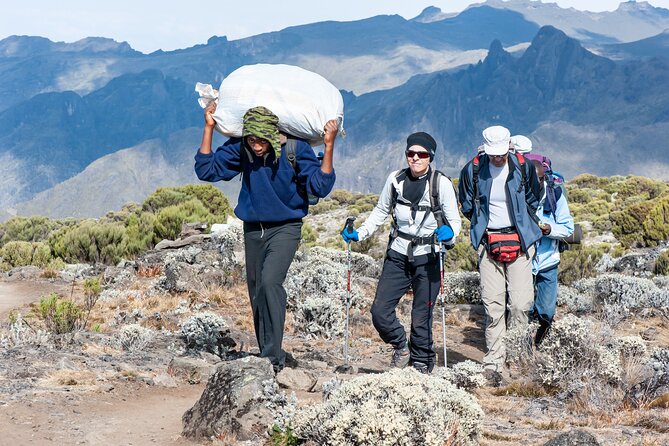
The trail can be slippery after rain, so keep your trekking poles or other balance support ready and do not rush the descent. Downhill walking can be hard on tired knees, even when the air is warmer and the altitude is lower.
Vehicles meet you at the lower station of Mweka Gate and take you back to Arusha. The journey ends with a clear change in mood: after the physical strain of summit day, the final forest walk is about finishing safely and getting back to town.
What the $2,800 price covers
At $2,800 per person, this is not a bare-bones climb. The cost includes private waterproof mountain tents, professional mountain guides, cooks, all park fees, rescue fees, meals on the mountain, purified drinking water, airport transfers, and a mess tent with tables and chairs.
Those details matter more than they may first appear. A dry sleeping tent is important after wet forest days, while a mess tent gives you a place to eat and rest away from the elements. Purified water also removes one practical concern during a physically demanding week.
The price includes breakfast for seven days, lunch for seven days, and dinner for six days. It also includes airport transfers, although you should confirm the exact transfer arrangements before booking if your arrival and departure plans are unusual.
You must pay separately for personal climbing gear, tips, and visa fees. The listing also mentions pickup, but the stated meeting time is 7:30 pm while day one begins with a 9 am departure from Arusha. I would confirm the pickup time and first-day meeting details directly before you travel.
How difficult is this seven-day climb?
You need a moderate level of physical fitness. No technical climbing experience is described as required, but the route includes long uphill walks, a hands-on scramble up Barranco Wall, a steep midnight ascent, and a tiring descent after the summit.
The seven-day schedule gives you useful acclimatization, especially on day three, but it remains a demanding plan. I would choose it if you are comfortable walking for several hours on consecutive days and can manage a very long summit night.
This trip suits people who want a supported high-altitude trek rather than a luxury mountain holiday. The tents and mess setup add comfort, but you are still sleeping outdoors, carrying personal equipment, dealing with changing weather, and walking at altitude.
Guides, food, and the human side of the climb
The strongest personal detail connected with this trip is the presence of Gasto James and the wider Mountain Warriors team. Gasto is praised for summit support, cultural stories about Tanzania and the Maya, calm pacing, and a positive atmosphere.
Food also receives repeated praise, though the provided details do not give a sample menu. You can expect all mountain meals to be included, with cooks supporting the group at camp.
The guide team’s encouragement appears especially useful on summit day. Singing during the early-morning push and helping tired climbers continue safely can make a major difference, but you should still view the climb as your own physical responsibility.
Cancellation and booking details
You receive confirmation at booking, and the activity offers free cancellation if you cancel at least 24 hours before the local start time. Cancellations within 24 hours are not refunded, and changes inside that period are not accepted.
The activity is private for your own group, while the route itself remains busy. It is also near public transportation, though airport transfers are included in the package.
Should you book the Machame Route trek?
I would book this trek if you want a scenic, well-supported route with a serious summit attempt and you value experienced guides more than solitude. The combination of cloud forest, Shira Plateau, Barranco Wall, glaciers, and the Uhuru Peak push gives you plenty of visual variety in one week.
I would think twice if you want a quiet trail, a relaxed walking schedule, or a trip with personal climbing equipment included. You also need to be comfortable with the cost of tips, visa fees, and gear on top of the listed price.
For a fit hiker who accepts the physical demands, the $2,800 package offers useful support and a clear route plan. Confirm the pickup timing, check exactly which personal gear you need, and be ready to walk slowly. On Kilimanjaro, patience is not a soft extra. It is part of getting to the top.
FAQ
How long does the Kilimanjaro Machame Route trek take?
The trek lasts approximately seven days, beginning with travel from Arusha to Machame Gate and ending with transport from Mweka Gate back to Arusha.
What is included in the tour price?
The price includes private waterproof mountain tents, professional mountain guides, park fees, rescue fees, mountain meals, purified drinking water, a mess tent with tables and chairs, and airport transfers.
Are meals included during the climb?
Yes. The package includes breakfast for seven days, lunch for seven days, and dinner for six days.
Is personal climbing gear included?
No. Personal climbing gear is not included, so you need to arrange or pay for it separately.
What physical fitness level is required?
A moderate level of physical fitness is required. The route includes several six to seven-hour hiking days, a scramble up Barranco Wall, and a steep summit climb beginning around midnight.
Is the trek private?
Yes. This is a private activity, meaning only your own group participates. The Machame Route itself is a popular camping route, so you will still share the trail and camps with other climbing groups.
What is the cancellation policy?
You can cancel for a full refund at least 24 hours before the experience start time. Cancellations or changes made less than 24 hours before the local start time are not accepted for a refund.
More Hiking & Trekking in Arusha
- Mountain Kilimanjaro Day Hike
★ 5.0 · 102 reviews - Private Full Day Hiking Experience to Marangu Route
★ 5.0 · 61 reviews - 4 Days Mount Meru Trekking
★ 5.0 · 55 reviews - 4 days Best experience Kilimanjaro Hike, Serengeti &Ngorongoro
★ 5.0 · 54 reviews
Just added in Arusha
- 4 Days Private Midrange Lodge Safari to Serengeti & Ngorongoro★ 5.0 · 4 reviews
- Extraordinary Hot air Bolloon ride in Serengeti | BURIGI CHATO SAFARIS CO L.T.D★ 5.0 · 6 reviews
- 3 days leopard safaris★ 5.0 · 4 reviews
- 8 Days Serengeti Migration safari★ 5.0 · 11 reviews
- tarangire, ngorongoro & lake manyara park 3 days private tour★ 5.0 · 11 reviews
- Mt. Kilimanjaro: Shira plateau to Cathedral point 3872m Day hike★ 5.0 · 7 reviews
- serengeti, ngorongoro & tarangire 4 days private tour★ 5.0 · 18 reviews
- tarangire & ngorongoro 2 days tour★ 5.0 · 14 reviews
Kilimanjaro Treks, compared.



8-Day Small-group Lemosho Kilimanjaro Summit Trekking
Read our review →

5 Days Best of Tanzania Luxury Safari Northern Circuit
Read our review →

Climbing Kilimanjaro through 7 days Machame Route
Read our review →
7-Day Machame Kilimanjaro Summit Tour from Arusha
Read our review →Browse the lists this tour appears in