
Reviewed · KILIMANJARO TREKS
Lemosho Route 7 Days Trekking at Mount Kilimanjaro
Lemosho is the scenic choice for Kilimanjaro, giving you rainforest, high moorland, Lava Tower, the Barranco Wall, and a sunrise summit attempt in one tough but well-paced week. I like the quieter trail and the built-in acclimatization stop at 4,600-meter Lava Tower. I also like the personal scale: the stated group limit is eight, and guides such as Freddy, Mike, Modest, and Teacher are praised for calm, experienced support.
The catch is simple: seven days is a serious schedule, and summit day is very demanding even for fit hikers. Continuous rain has affected some departures, so you need proper waterproof gear, patience, and a willingness to walk slowly for several hours at high altitude.
Key points before you commit
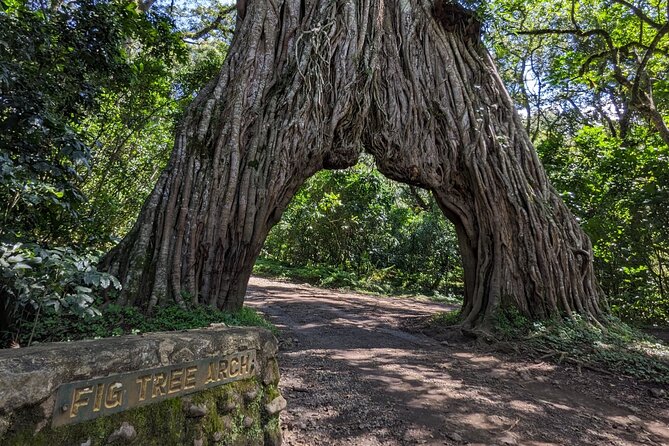
- Lemosho starts in the rainforest: Your first day moves from Londorossi Gate to Big Tree Camp through thick forest before the route opens into moorland.
- The route includes useful acclimatization: Day three climbs to Lava Tower at 4,600 meters before dropping to Barranco Camp.
- Summit day is the real test: You wake around midnight, climb to Uhuru Peak at 5,895 meters, return to Barafu, then continue to Mweka Camp.
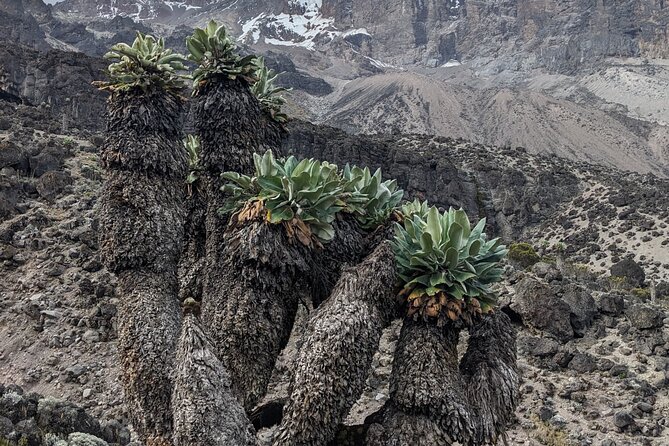
- The scenery changes fast: Expect rainforest, heath, moorland, alpine desert, and bare summit terrain over seven days.
- Meals are supplied: Six breakfasts, seven lunches, and six dinners are included, along with a certified guide.
- The price reflects a full mountain package: At $2,800 per person, you are paying for guided access, park arrangements, campsite support, meals, and transfers connected with the trek.
Why the Lemosho Route earns its reputation
Kilimanjaro is not a technical climb, but it is a high-altitude mountain. That distinction matters. You do not need ropes or climbing experience for this itinerary, yet you still need stamina, sensible pacing, and the ability to cope with thin air.
Lemosho appeals to me because it gives you a gradual visual change. The trek begins among trees, moves into open heath and moorland, then reaches the stark alpine desert around Barafu and Uhuru Peak. The route feels less like a quick uphill march and more like a journey through several climate zones.
It is also less crowded than some better-known approaches, according to the tour description. That does not mean you will have the mountain to yourself, but it does make this a good pick if you want a quieter start and more natural scenery.
The seven-day version is compact. You spend enough time to include several acclimatization stages, but not so long that the trip becomes a two-week commitment. I would call it a good middle ground for someone who wants a proper route rather than a rushed ascent, while still accepting that the summit attempt comes quickly.
Other routes up the mountain from Arusha:
- 8-Day Small-group Lemosho Kilimanjaro Summit Trekking
★ 5.0 · 186 reviews - 5 Days Best of Tanzania Luxury Safari Northern Circuit
★ 5.0 · 174 reviews - 7-Day Machame Kilimanjaro Summit Tour from Arusha
★ 5.0 · 125 reviews
Day 1: Arusha to Big Tree Camp through rainforest
Your day begins in Arusha, with pickup and transport in a 4×4 Land Cruiser or Land Rover. The drive to Londorossi Gate takes about an hour. At the gate, the team handles registration and permit arrangements before continuing to the Lemosho starting point at about 2,100 meters.
The first walk covers 6 kilometers and takes roughly three hours. You gain about 650 meters before reaching Mti Mkubwa Camp, also called Big Tree Camp, at 2,750 meters.
This is a pleasant introduction to the mountain. The rainforest is cooler and greener than the upper zones, and the walking distance is modest compared with later days. I like this opening because it lets you settle into the group, test your boots, and learn the pace your guides expect.
Do not treat it as a free pass. You are already gaining altitude, and the best approach is slow from the first hour. Dinner and camping are included, so you can focus on resting rather than arranging food after the walk.
Day 2: Heath and moorland to Shira One
After breakfast, the route leaves the rainforest and enters heath and moorland. You walk 13 kilometers to Shira One Camp at 3,500 meters, with a substantial 1,100-meter climb.
This is one of the more demanding regular hiking days because the distance and altitude gain arrive together. The route description notes that the walk can feel steep, so this is where pacing becomes important. You should be able to speak in short sentences, drink regularly, and resist the temptation to race ahead early in the morning.
Shira One gives you a very different setting from Big Tree Camp. The trees thin out, the air feels cooler, and the open views make the mountain feel larger. The changing scenery is one of the strongest reasons to choose Lemosho.
The drawback is that you may feel the altitude here, even though you are still well below the summit. A moderate fitness level is required, but fitness alone does not prevent altitude problems. Your guide’s pacing and your own willingness to slow down matter just as much.
Day 3: Lava Tower acclimatization and Barranco Camp
Day three is the route’s key acclimatization day. You walk toward Lava Tower at 4,600 meters, then continue down to Barranco Camp at 3,940 meters. The total walking time is about six to seven hours, with a picnic lunch along the way.
The itinerary gives the day’s total distance as 10.75 kilometers. You gain roughly 750 meters to Lava Tower, then another 660 meters on the way toward Barranco, though the route includes the important descent from the tower to camp.
This up-and-down pattern is useful because it lets you spend time at a higher elevation before sleeping lower. You may notice headache, shortness of breath, or unusual tiredness here. Take those signs seriously and tell your guide. The goal is not to prove toughness.
Barranco Camp is a memorable stop. The next morning’s Barranco Wall is visible from the area, and the setting feels much more rugged than the forest camps below. The picnic lunch keeps the day moving, but you should expect a long afternoon before dinner.
Same base, a different kind of day out:
- Serengeti Balloon Safari and authentic bush breakfast
★ 5.0 · 2,480 reviews - Balloon Safari & Bush Breakfast in Serengeti – Miracle Experience
★ 5.0 · 1,646 reviews - Tanzania Classic – 7 Days
★ 5.0 · 1,151 reviews - 4 Days Group Camping Safari
★ 5.0 · 1,101 reviews
Day 4: The Barranco Wall and a short walk to Karanga
After breakfast, you tackle the Barranco Wall at about 4,250 meters before continuing to Karanga Camp at 4,000 meters. The walking distance is only 4.25 kilometers, with about 250 meters of altitude gain, and the stated hiking time is three to four hours.
This is the shortest day, which is exactly what you need at this point. A hot lunch is served at camp, followed by rest and an acclimatization walk. That extra time is valuable because the next two days include the high camp and the summit push.
The Barranco Wall can look intimidating, but the day’s short distance means you can concentrate on steady movement rather than rushing. You should still expect uneven ground and some hands-on sections, although the provided details do not describe the climb as technical.
I particularly like the rhythm of this day. You work through the wall in the morning, eat a proper meal, then have time to recover. It is a sensible break before the high-altitude push.
Day 5: Karanga to Barafu Camp at 4,600 meters
The walk to Barafu Camp is another 4.25 kilometers, with a 600-meter ascent. It takes about three to four hours, and breakfast is scheduled for around 8:30 in the morning.
Barafu means you are entering the summit zone. The scenery becomes more exposed and spare, with less plant life and more rock. This is not a long hiking day, but the altitude makes every step more expensive.
At camp, you receive a hot lunch, rest, and eat an early dinner. Then you sleep for a few hours before the midnight wake-up. That sleep may be broken or shallow. Even so, getting into your tent and keeping your clothing and summit items organized can make the night easier.
Pack only what you need for the summit attempt. The supplied description specifically says you will gather essential items before leaving, so keep your warm layers, snacks, water, headlamp, and other required gear accessible. You do not want to search through a full bag at midnight.
Day 6: Uhuru Peak and the long descent to Mweka
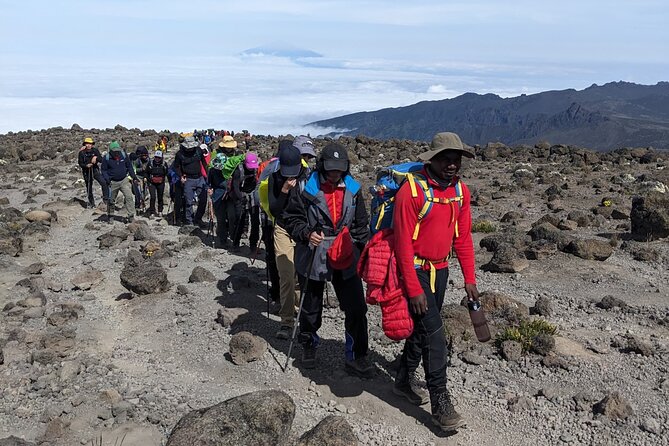
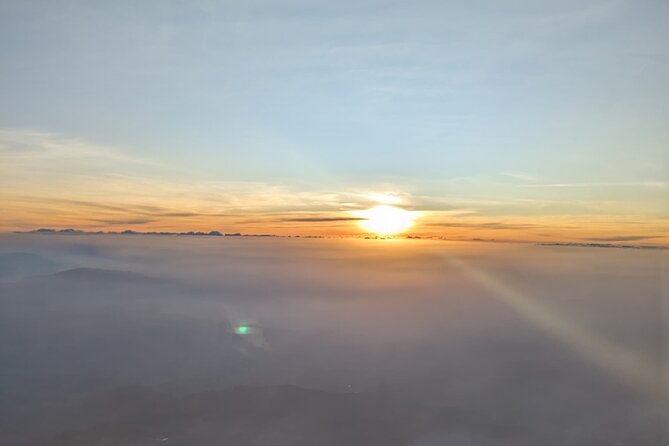
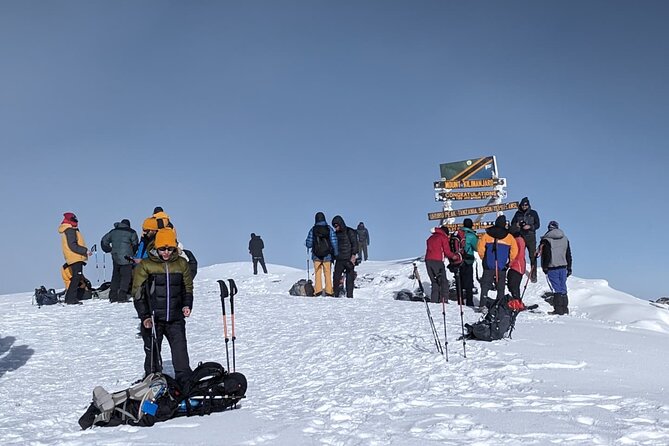
This is the mountain’s hardest day. You wake around midnight, have hot drinks and snacks, and begin the climb toward Uhuru Peak at 5,895 meters.
The ascent takes about six to seven hours and covers 4.86 kilometers, with a gain of 1,295 meters. Those numbers look modest on paper. At nearly 6,000 meters, they are not. Progress can feel slow, and the combination of darkness, cold, steep ground, and thin air demands patience.
The reward is reaching the highest point in Africa. The summit stop may be brief because conditions can be severe, but it is the high point of the trip in every sense. Keep your expectations practical. The summit is not the place for a long rest, and the schedule still includes a major descent.
You return to Barafu Camp in about three hours for breakfast. After several hours of rest and a hot lunch, you continue down to Mweka Camp at 3,100 meters. The total distance from Uhuru Peak through Barafu to Mweka is 11.5 kilometers, with a descent of 2,795 meters.
That final section is easy to underestimate. Your legs have already worked through the summit climb, and the descent can be hard on knees and feet. The reward is moving back toward the rainforest and a lower sleeping altitude. This day alone explains why the trek should not be judged by mileage alone.
Day 7: Mweka Gate and the return to Arusha
After breakfast, you walk 9.1 kilometers through rainforest to Mweka Gate at 1,800 meters. The descent takes about three to four hours, although the full day is listed at about six hours when the gate procedures and transfer are included.
If you reach the summit, you receive a certificate at the gate. The vehicle then takes you to Jevas Hotel in Arusha for drop-off, marking the end of the climb.
This final walk is more than a formality. After the stark upper mountain, the return to trees and warmer air feels welcome. Your body may be tired, so keep your pace controlled and use trekking poles if you have them.
The schedule says the trek ends with a transfer to the hotel in Arusha. It does not state that accommodation at the hotel is included, so confirm that detail before booking if you need a room after the climb.
What the $2,800 price means
At $2,800 per person, this is not a budget walk. The value depends on what you want from a Kilimanjaro trip.
The price includes a certified guide, six breakfasts, seven lunches, and six dinners. The daily plan also includes the mountain’s admission arrangements, campsite nights, vehicle transfers described in the program, and a small-group format capped at eight people.
That is important because a guided Kilimanjaro trip involves much more than pointing you uphill. You are paying for route planning, park access arrangements, food on the mountain, campsite organization, and help during a demanding summit schedule.
Still, check the final inclusions carefully. International flights, departure taxes, and medical, travel, and luggage insurance are not included. The provided information also does not list personal equipment, tips, or hotel accommodation after the trek as included, so ask about those costs before you compare packages.
The operation has been associated with guides named Freddy, Mike, Modest, and Teacher. Specific praise centers on professional mountain support, calm handling of difficult days, and extensive experience. One departure included three climbers with two guides, a cook, and nine porters, while another group described a much larger overall support team. Staff numbers can vary, so ask what support team is assigned to your departure.
Food, weather, and group size
The meal plan covers breakfast on six mornings, lunch on all seven days, and dinner on six nights. Lunch is sometimes a picnic, as on the Lava Tower day, and hot meals are scheduled at Karanga and Barafu. That matters because warm food becomes a real comfort at altitude.
Weather deserves respect. Some departures have faced rain for almost the entire trek, including repeated wet days. Lemosho’s rainforest section can be especially damp, but poor weather can affect the upper route too. Bring reliable waterproof layers and protect spare clothes inside your bag.
The maximum group size is eight. That is small enough for guides to monitor your pace more closely than on a large commercial climb. At the same time, the total support team may be larger because cooks and porters are part of mountain operations. Ask how many climbers and staff will be on your specific departure.
Who should book this climb?
I would choose this route if you want Kilimanjaro’s scenery, prefer a quieter approach, and can handle several long days at altitude. It suits an active person with moderate fitness who is ready to train for uphill walking, long descents, and a midnight summit start.
It is less suitable if you want a relaxed holiday with flexible sleep and short walking days. The summit attempt is physically hard, and the seven-day format leaves little room for a slow extra acclimatization day.
You should also be comfortable camping and accepting basic mountain conditions. The route has hot meals and organized support, but it remains a high mountain trek, not a hotel-based excursion.
Cancellation is flexible if your plans change early: you can receive a full refund by canceling at least 24 hours before the start time. Inside that window, the payment is not refunded, and late changes are not accepted.
Should you book the Lemosho seven-day trek?
I would book it if your priorities are a scenic route, a smaller stated group, strong guide support, and a full Kilimanjaro experience in one week. The sequence from rainforest to Shira, Lava Tower, Barranco, Barafu, Uhuru Peak, and Mweka gives you a clear sense of the mountain’s changing zones.
I would pause if you are unsure about altitude, want a slower schedule, or have not prepared for a long summit day. The $2,800 price can be fair for the services included, but only after you confirm equipment, accommodation, insurance, tips, and support-team details.
For a fit, prepared hiker who wants the quieter side of Kilimanjaro, this is a strong choice. Just remember that the guides can manage the pace and logistics, but you still have to do the walking.
FAQ
Where does the seven-day Kilimanjaro trek begin and end?
The trip begins and ends in Arusha, Tanzania. Pickup is offered at the start, and after the final walk to Mweka Gate, you are transferred to Jevas Hotel in Arusha for drop-off.
What is the highest point reached on the route?
The summit is Uhuru Peak, which is 5,895 meters above sea level. The summit attempt takes place on day six after a midnight wake-up at Barafu Camp.
How large is the group?
The activity has a maximum of eight travelers. The support team can be larger because the mountain operation may also include guides, cooks, and porters.
What meals are included?
The package includes six breakfasts, seven lunches, and six dinners. Lunch may be a picnic on the Lava Tower day, while hot lunches are scheduled at Karanga and Barafu.
What fitness level is required?
A moderate physical fitness level is recommended. The summit day is especially demanding, with a six to seven-hour ascent to Uhuru Peak followed by a long descent through Barafu Camp to Mweka Camp.
Is travel insurance included?
No. International flights, departure taxes, and medical, travel, and luggage insurance are not included in the price.
More Hiking & Trekking in Arusha
- Mountain Kilimanjaro Day Hike
★ 5.0 · 102 reviews - Private Full Day Hiking Experience to Marangu Route
★ 5.0 · 61 reviews - 4 Days Mount Meru Trekking
★ 5.0 · 55 reviews - 4 days Best experience Kilimanjaro Hike, Serengeti &Ngorongoro
★ 5.0 · 54 reviews
Just added in Arusha
- Extraordinary Hot air Bolloon ride in Serengeti | BURIGI CHATO SAFARIS CO L.T.D★ 5.0 · 6 reviews
- 4 Days Private Midrange Lodge Safari to Serengeti & Ngorongoro★ 5.0 · 4 reviews
- 3 days leopard safaris★ 5.0 · 4 reviews
- 8 Days Serengeti Migration safari★ 5.0 · 11 reviews
- tarangire, ngorongoro & lake manyara park 3 days private tour★ 5.0 · 11 reviews
- Mt. Kilimanjaro: Shira plateau to Cathedral point 3872m Day hike★ 5.0 · 7 reviews
- serengeti, ngorongoro & tarangire 4 days private tour★ 5.0 · 18 reviews
- tarangire & ngorongoro 2 days tour★ 5.0 · 14 reviews
Kilimanjaro Treks, compared.



8-Day Small-group Lemosho Kilimanjaro Summit Trekking
Read our review →

5 Days Best of Tanzania Luxury Safari Northern Circuit
Read our review →

Climbing Kilimanjaro through 7 days Machame Route
Read our review →
7-Day Machame Kilimanjaro Summit Tour from Arusha
Read our review →Browse the lists this tour appears in