
Reviewed · WILDEBEEST MIGRATION SAFARIS
9-Day Serengeti Migration Footsteps Tanzania Safari
The main draw here is four nights in the Serengeti, timed around the Great Migration. Depending on the season, you may follow wildebeest near Ndutu from December to March or head to the Northern Serengeti from July to November, where the Mara River crossings can provide the trip’s biggest wildlife moment.
I like the mix of famous parks and quieter corners, especially Tarangire’s baobabs and the less-visited northern Serengeti. I also like the private format and the strong guide team, with names such as Enock, Mwita, Gilbert, and Yusuph praised for sharp animal spotting and careful driving. The main catch is that migration sightings are never guaranteed, and several long road days can feel tiring.
What makes this safari different
- Four nights in the Serengeti: You get more than a quick pass through the park, with time to search for predators, resident herds, and migration activity.
- Season-based migration route: The program targets Ndutu from December to March and Northern Serengeti from July to November.
- Private transportation: Only your group takes part, which gives you more room for questions and a more personal pace.
- A possible Mara River crossing: August is highlighted for Northern Serengeti crossings, though nature sets the schedule.
- A full Ngorongoro Crater day: The crater offers one of Tanzania’s best settings for seeing many large animals in a compact area.
- Three contrasting parks: Tarangire, Serengeti, and Lake Manyara each bring a different setting and wildlife mix.
The big question: is the migration timing right?
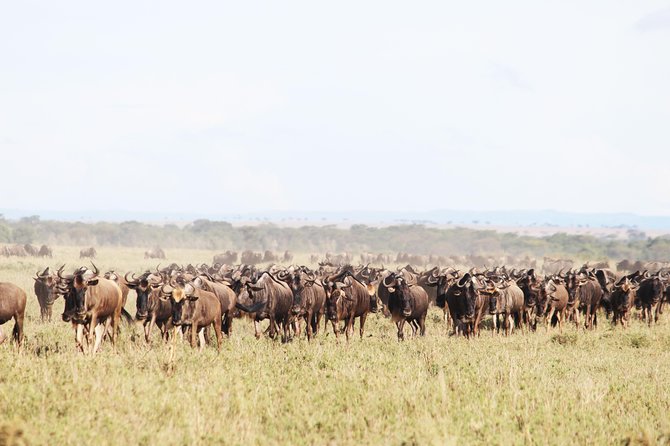
This nine-day safari is built around the movement of the herds, but you need to choose your dates carefully. The stated plan places the migration near Ndutu from December through March and in the Northern Serengeti from July through November.
That seasonal split matters more than the tour name. If you book outside those periods, you may still see excellent wildlife, but the exact migration experience described here may not line up with the animals’ location.
The Northern Serengeti section is aimed at one of Africa’s most dramatic natural scenes: wildebeest gathering beside the Mara River before one animal finally enters the water. Crocodiles wait below, the current can be rough, and the herd may stand still for hours or move on without crossing.
I would treat a crossing as a possible bonus, not a promise. You can still have a rewarding day in the north because the area has permanent wildlife, rolling country, rivers, hills, and the striking Lobo Kopje. It also receives fewer visitors than the southern entry areas, which can make the search feel less crowded.
Other park itineraries that start in Arusha:
- Serengeti Balloon Safari and authentic bush breakfast
★ 5.0 · 2,480 reviews - Balloon Safari & Bush Breakfast in Serengeti – Miracle Experience
★ 5.0 · 1,646 reviews - 4 Days Group Camping Safari
★ 5.0 · 1,101 reviews
Day 1: A gentle start in Arusha
Your first day begins with airport pickup by a Lion King Adventures representative and transfer to your Arusha accommodation. There is no sightseeing listed for this day, and that is sensible after an international flight.
Use the time to rest, sort your camera gear, and prepare for early starts. The tour shows an 8:30 a.m. start time, but you should confirm how that applies to your arrival day and the next morning, especially if your flight lands late.
The price does not include international flights, so you will need to arrange those separately. Gratuities are also excluded, and the published wording uses gratitude, which clearly means tips.
Day 2: Tarangire and its giant baobabs
After breakfast, you drive to Tarangire National Park for a full day of wildlife viewing. The park is known for its nine vegetation zones, ancient baobabs, and the Tarangire River, which draws animals into the area.
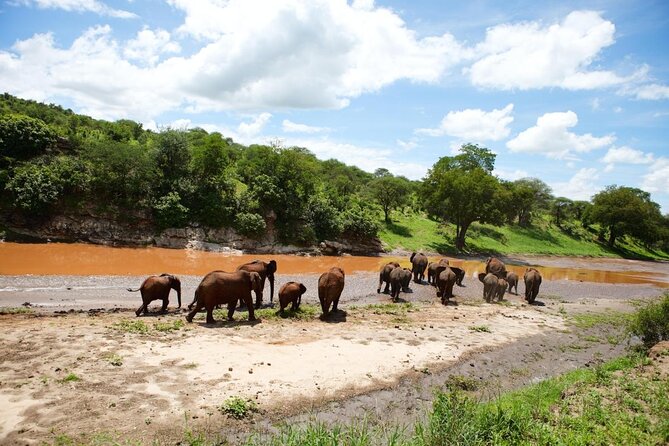
This is a strong opening park because it does not feel like a smaller version of the Serengeti. The scenery changes around the river, and the huge baobabs give the drive a distinct sense of place. Elephants are the headline attraction, with families often seen interacting near feeding areas.
You may also see lion, leopard, buffalo, zebra, giraffe, antelope, and many bird species. I like that the day gives you a proper game drive rather than a brief stop on the way to the major parks.
The drawback is the long road transfer after breakfast, followed by a full day outside. You will want a guide who can pace the drive well and explain what you are seeing instead of rushing from one sighting to the next.
Day 3: Through the highlands to the Serengeti
The route continues through fertile highlands where the Iraqw people grow wheat and corn. You then pass through the Ngorongoro Conservation Area, with misty rainforest and the chance of seeing baboons, elephants, or even a leopard in the thicker vegetation.
You also get a first view of Ngorongoro Crater before continuing toward the Serengeti. The change from cultivated highlands to open grassland is part of the pleasure of this day, even though much of it is spent on the road.
The Serengeti is Tanzania’s largest national park and includes grasslands, swamps, lakes, and other habitats. Reaching the park around midday gives you a useful first taste of game viewing rather than saving every sighting for the following morning.
The schedule lists this day as a 24-minute stop, which appears to be a listing error rather than a realistic description of the drive and park visit. Ask Lion King Adventures to confirm the exact driving time, accommodation, and game-drive plan before booking.
Other safaris people book out of Arusha:
- 5 Days Group Camping Safari
★ 5.0 · 730 reviews - 3 Days Serengeti & Ngorongoro Group Camping Safari
★ 5.0 · 574 reviews - 7-Day Premium Luxury Tanzania Safari All-Inclusive
★ 5.0 · 426 reviews - 3-Day Classic Serengeti Safari
★ 5.0 · 263 reviews
Days 4 and 5: Hunting for the Mara River crossing
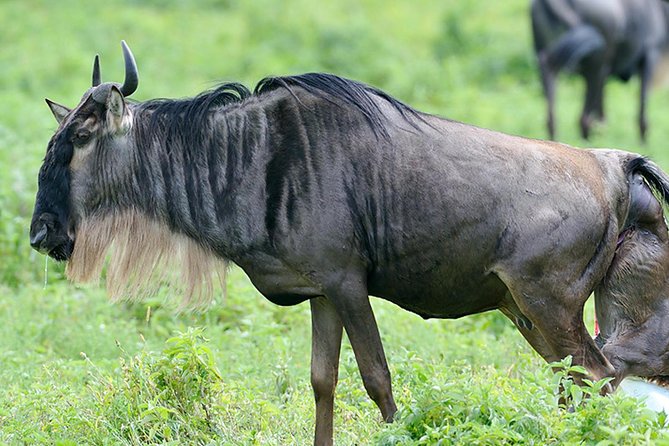
Day 4 takes you north from the Seronera area toward the remote Northern Serengeti. The route covers roughly 100 kilometers through rolling country broken by rivers, hills, and kopjes.
This is where the tour’s migration focus becomes most specific. In August, the herds may be in the region, and you may have a chance to watch a river crossing. The trip description sensibly uses words such as may and with luck, because the animals do not follow a timetable.
Day 5 gives you another full opportunity near the Mara River. An early breakfast is planned so you can use the day well, and that early start matters when wildlife activity and river movement are unpredictable.
You should be ready for waiting. A herd may gather at the bank, hesitate, and then turn away. If a crossing happens, you could see hundreds of thousands of wildebeest moving through dangerous water toward fresh grazing. If it does not, the time is still spent in one of the Serengeti’s best wildlife areas.
The two-night focus is a major strength. A one-night visit would give you very little flexibility, while two days allow your guide to search different sections and respond to changing animal movements.
Day 6: Returning toward Seronera
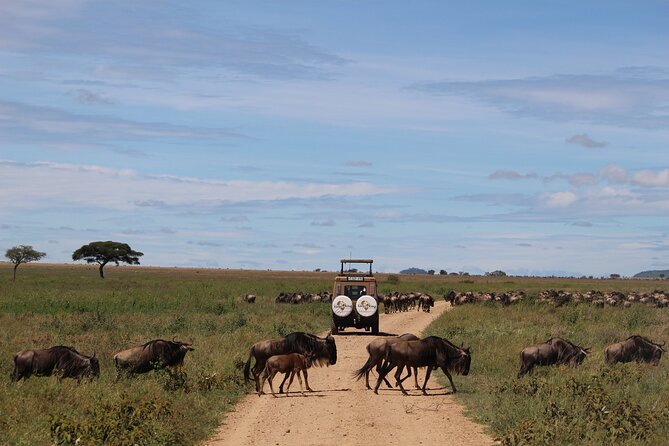
After breakfast, you head back toward Seronera with more game-viewing time along the way. This is a useful change of emphasis after the migration search, since the central Serengeti is home to resident predators as well as moving herds.
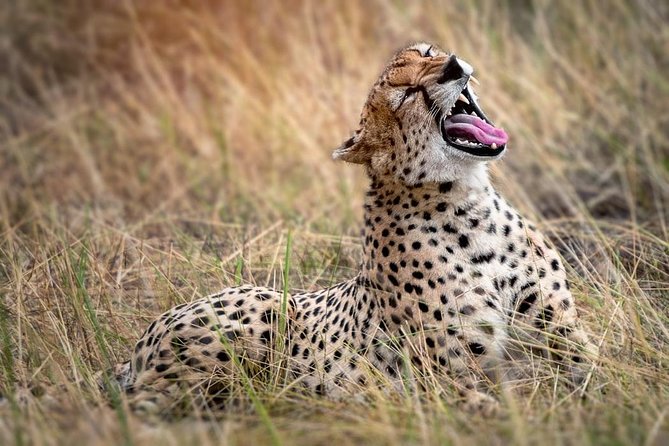
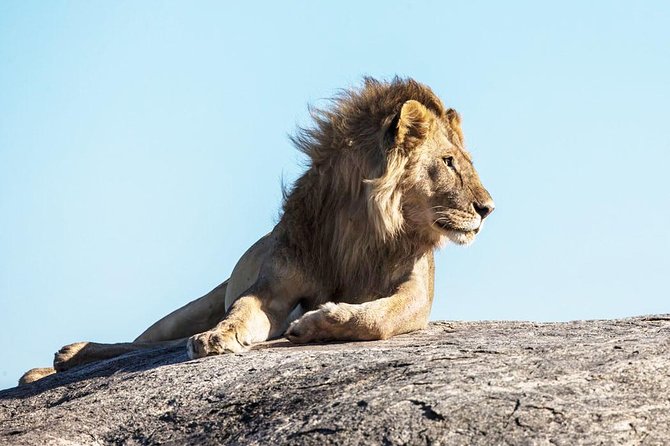
You may see leopard, cheetah, and lion. The precise sightings depend on the day, but the point of this section is that the Serengeti offers good wildlife viewing even when the migration is somewhere else.
The day ends with dinner and another night near the open plains. Seven dinners are included across the trip, so you should check which evening meal is not covered and how the accommodation schedule is arranged.
Day 7: From Serengeti plains to the crater rim
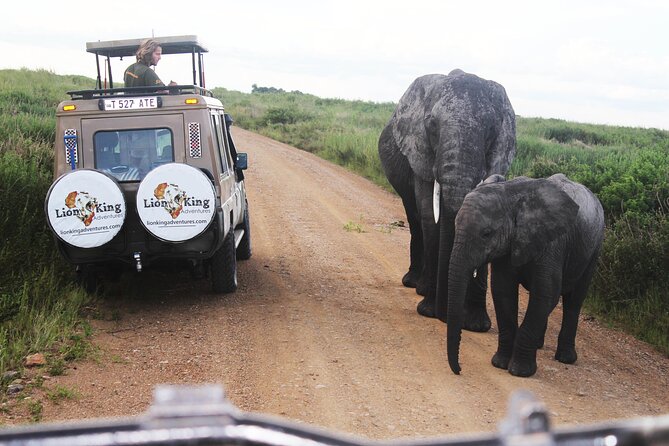
You get one more Serengeti game drive after breakfast before traveling to the Ngorongoro area. Reaching the crater rim in the afternoon gives you an early look at the crater floor, with streams, grassland, and animals spread below.
The overnight location near the rim is well chosen for the next morning’s descent. It avoids starting the crater visit from far away and lets you see the crater in two different ways: first from above, then from inside.
This is another long transition day, so I would not expect a relaxed afternoon at the lodge. The reward is having the major crater experience positioned near the end of the safari, after you have already seen the wide-open Serengeti.
Day 8: A full day inside Ngorongoro Crater
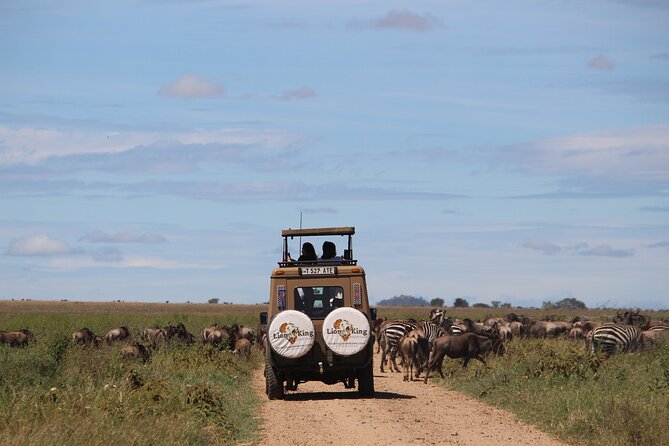
An early breakfast is followed by a descent to the crater floor. The caldera is about 610 meters deep and covers roughly 260 square kilometers, creating an enclosed setting where many animals can be found within a relatively compact area.
This is one of the strongest days for seeing several large species in one outing. The park is especially known for chances to see the Big Five, along with wildebeest and other grazing animals.
The crater does not replace the Serengeti. The Serengeti gives you enormous distances, changing habitats, and the possibility of following migration routes. Ngorongoro gives you a concentrated wildlife day with dramatic views from the rim and a more contained setting below.
The early start is worth accepting. You get more time on the crater floor, but the day may feel tiring after several previous game drives. If you are traveling with older family members, tell the company in advance. Guide Shafino was specifically praised for taking extra care of senior travelers, and the private setup should make personal assistance easier to arrange.
Day 9: Lake Manyara before returning to Arusha
The final park is Lake Manyara, about 120 kilometers west of Arusha. The shallow, seasonal salt lake covers about 70 percent of the park and can attract thousands of flamingos along with a remarkable range of birdlife.
This park brings a different feel from Tarangire and the Serengeti. You may pass through open grassland, woodland filled with monkeys, and baobab-dotted cliffs. Possible sightings include giraffe, zebra, wildebeest, buffalo, elephant, and lions resting in trees.
The park is home to about 500 bird species, so it is especially worthwhile if you enjoy smaller details as well as large mammals. After lunch, you return to Arusha in the late afternoon.
That final drive makes Day 9 a full day rather than a simple airport transfer. If you have an evening flight, confirm the expected arrival time and leave plenty of margin.
Guides, vehicles, and the private format
The strongest part of the operation appears to be the guiding. Enock, Mwita, Gilbert, Yusuph, Leonard, Amani, Simon, Ozzy, Richard, Immanuel, and Shafino are all named by people who traveled with the company.
The praise is specific: sharp eyes for finding animals, calm driving, clear explanations, kindness, and careful attention to personal needs. Mwita is described as having been born and raised in the Serengeti, which could add useful local insight if he is assigned to your group, but guide allocation is not guaranteed.
Private transportation means your group travels together rather than being placed with strangers. That matters on safari because you can ask for more time at a sighting, discuss photography, and adjust the pace within the limits of park rules and the day’s schedule.
The vehicle details are not provided, so ask about seating, window access, charging points, and luggage limits. Those questions matter on long drives and during full-day game viewing.
Accommodation, meals, and comfort
The schedule includes accommodation in Arusha, the Serengeti, and near Ngorongoro Crater, but it does not list every property. The supplied trip details refer to lodges and tented camps, and Nyota Luxury Camp is specifically associated with one praised safari.
Do not assume that exact camp is included in every departure. Ask for the confirmed accommodation list, room type, and whether the four Serengeti nights use one base or more than one camp.
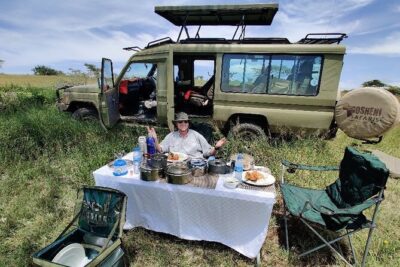
Breakfast is included on all nine days, lunch on eight days, and dinner on seven days. Picnic lunches are part of the safari rhythm, giving you more time in the parks, while dinners provide a chance to rest after long drives.
The setup is comfortable enough for a wildlife-focused trip, but this is not a resort holiday. Your main luxury is time in the parks and a private guide, not a slow schedule with long afternoons beside a pool.
Is the $4,539 price good value?
At $4,539 per person, this is a major purchase. I would judge it against what is bundled: nine days, private transportation, park access, breakfast each day, eight lunches, seven dinners, airport pickup, and four nights focused on the Serengeti.
The value is strongest if you want a private safari built around migration timing rather than a short park sampler. Tarangire, the Serengeti, Ngorongoro, and Lake Manyara create a broad route, and the extra Serengeti nights give you more chances to find animals.
The price does not include international flights or tips. Since exact accommodations are not fully stated, get the camp and lodge list before paying. Compare that list with other operators, along with vehicle type, guide assignment, park fees, and the number of people in your private group.
Group discounts are offered, which could improve the cost for families or friends traveling together. The trip has also worked for families with teenagers, honeymooners, first-time safari visitors, and older adults, provided everyone is comfortable with early starts and long road days.
Who should book this safari?
I would choose this trip if your priority is the Great Migration, you want private transport, and you like the idea of combining dramatic wildlife areas rather than staying in one park.
It suits first-time safari visitors because the route covers the classic northern Tanzania circuit. It also works for families, couples, and small groups who want a guide focused on their own questions and interests.
I would hesitate if you need a gentle holiday with little driving. I would also avoid booking it on vague dates if the migration is your main goal. Confirm the seasonal location, especially if you are hoping for the Mara River.
Free cancellation is available when you cancel at least 24 hours before the start time. Changes or cancellations inside that window are not accepted, and the minimum-group condition means the company may offer another date or a full refund if the departure cannot run.
FAQ
Where does the safari start and finish?
It starts in Arusha, Tanzania, with pickup offered from the airport. The activity ends back at the Arusha meeting point.
How long is the safari?
The experience lasts approximately nine days.
When is the migration expected near Ndutu?
The schedule places the migration in the Ndutu area from December through March.
When is the migration expected in the Northern Serengeti?
The Northern Serengeti section is intended for July through November, with August highlighted as a possible time for Mara River crossings.
Is transportation private?
Yes. Private transportation is included, and only your group takes part in the activity.
What meals are included?
Breakfast is included for nine days, lunch for eight days, and dinner for seven days. International flights and tips are not included.
More migration safaris from Arusha
- 8 Days Great Wildebeest Calving Migration Safari from Arusha
★ 5.0 · 254 reviews - 10-Day Serengeti Wildebeest Migration Safari from Arusha
★ 5.0 · 218 reviews - 8 Day Spectacular Migration Serengeti mid -Range Tanzania Safari
★ 5.0 · 161 reviews - 7 days great migration safari
★ 5.0 · 77 reviews
More Serengeti safaris from Arusha
- 5-Day Highlights mid-Range Crater, Serengeti, Tarangire
★ 5.0 · 296 reviews - Private 6-Day Tarangire Manyara Crater and Serengeti with Mid-Range Lodges
★ 5.0 · 238 reviews - 5 Days Camping Tarangire, Serengeti & Ngorongoro crater & Visiting Maasai
★ 5.0 · 229 reviews - 4 Days Join Group tour Tarangire Serengeti and Ngorongoro crater
★ 5.0 · 219 reviews
Just added in Arusha
- 2-Day Private Luxury Safari from Zanzibar with Flights★ 3.2 · 5 reviews
- 7-Day Private Tanzania Safari with Sunset Walking on the Crater Rim and Maasai★ 5.0 · 40 reviews
- Saadani Day Trip★ 5.0 · 13 reviews
- Nyssa Luxury Balloon in Safaris and Serengeti★ 5.0 · 69 reviews
- Arusha National Park Day Trip★ 4.5 · 18 reviews
- Arusha National Park Private Safari★ 5.0 · 59 reviews
- Arusha: Maasai Village Tour★ 4.8 · 22 reviews
- 3 Days Serengeti & Ngorongoro Tour★ 5.0 · 22 reviews
Wildebeest Migration Safaris, compared.
8 Days Great Wildebeest Calving Migration Safari from Arusha
Read our review →
10-Day Serengeti Wildebeest Migration Safari from Arusha
Read our review →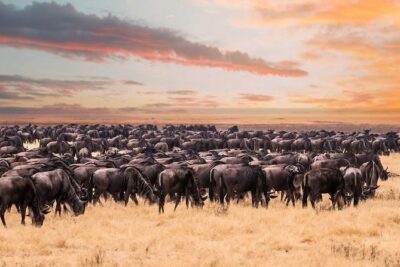
8 Day Spectacular Migration Serengeti mid -Range Tanzania Safari
Read our review →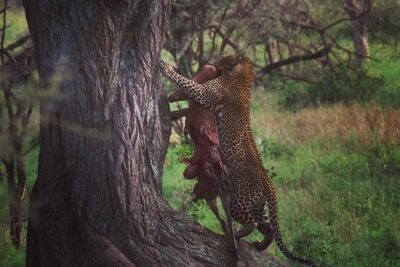
Private 6-Day Great Migration Ndutu Serengeti Safari Tour
Read our review →
4 Day Great Migration Safari Serengeti & Ngorongoro Crater
Read our review →
6 Days Tanzania Budget Camping Safari with Migration
Read our review →Browse the lists this tour appears in