
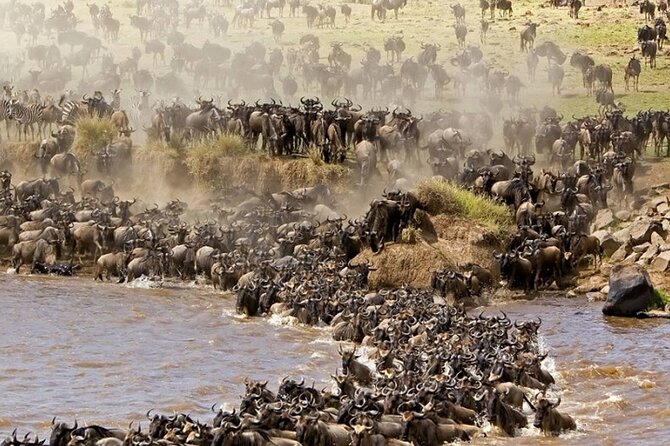
Reviewed · WILDEBEEST MIGRATION SAFARIS
PRIVATE Wildebeest Calving Safari, Tanzania, January to March
The main draw is wildebeest calving in Ndutu, where January through March brings newborn calves, busy herds, and some of the best predator viewing in Tanzania. You also get the famous Serengeti, the Ngorongoro Crater, Lake Manyara, and Tarangire in one eight-day route.
I like the small maximum of six people, which gives you more room around the viewing roof and a better chance to shape each game drive. I also like the practical setup: airport transfers, full-board safari lodging, bottled water, bush lunch, and a qualified 4×4 driver-guide are included. The drawback is the long driving time, especially between Moshi, Manyara, Serengeti, and the crater, and the price does not include visas, insurance, or optional cultural and archaeological visits.
Key points at a glance
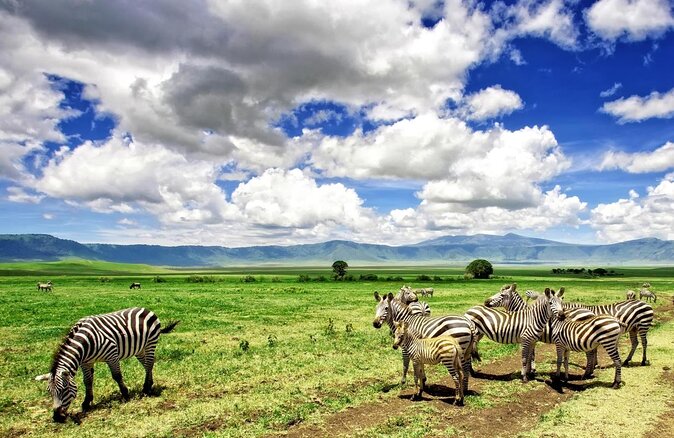
- Ndutu in January to March: Look for newborn wildebeest, zebra, lions, cheetahs, hyenas, and large migrating herds.
- Six-person maximum: A small party makes the open-roof 4×4 more comfortable and keeps wildlife viewing less crowded.
- Four very different wildlife settings: Tarangire, Lake Manyara, Serengeti, and Ngorongoro each offer a distinct type of safari.
- Guides matter here: Martin, Marko, and Kileo have been named for careful driving, animal spotting, and good support, though your assigned guide may differ.
- Full-board convenience: Breakfast, lunch, dinner, airport transfers, bottled water, and a Serengeti bush lunch are covered.
- Plan for long road days: Some drives run about eight hours, and the first airport transfer day can take much of the day.
Why the Ndutu calving season is the right reason to go
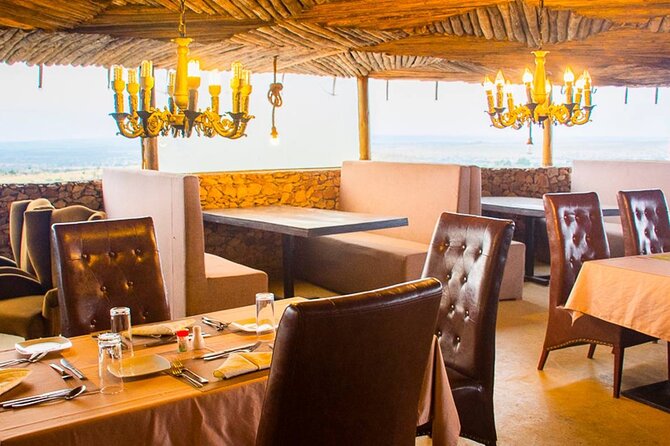
This is not simply a general Tanzania safari with a seasonal label attached. The route is built around the southern Serengeti ecosystem, especially the Ndutu area, during the January to March calving period.
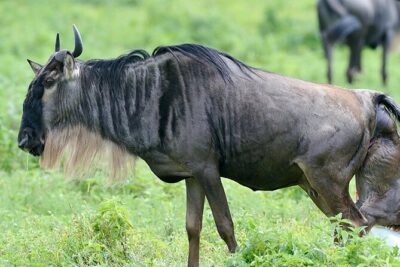
Wildebeest and zebra gather on the short-grass plains from December through April. During the main calving weeks, you might see a calf only minutes old trying to get up, then running beside its mother soon after birth. That sight is the emotional center of the trip, but it comes with a hard-edged side: young animals attract predators.
Lions, cheetahs, and hyenas are active around the herds. The Ndutu area also includes swamps, woodland, soda lakes, and open plains, so your game drive is not limited to one flat stretch of grass. Marshes and lakes bring birdlife, while wooded ridges are worth checking for animals that prefer cover.
The timing is excellent if your main goal is predator action and calving. It is less suitable if you want the river crossings associated with the northern migration later in the year. This safari focuses on the southern part of the cycle, not every phase of the migration.
Other park itineraries that start in Arusha:
- Serengeti Balloon Safari and authentic bush breakfast
★ 5.0 · 2,480 reviews - Balloon Safari & Bush Breakfast in Serengeti – Miracle Experience
★ 5.0 · 1,646 reviews - 4 Days Group Camping Safari
★ 5.0 · 1,101 reviews
Day 1: Kilimanjaro Airport to Moshi
Your arrival at Kilimanjaro Airport is followed by a transfer to Moshi and an overnight stay at Springlands Hotel. Dinner is included.
The schedule lists a start time of 7:00 a.m. for the safari, but your airport arrival time is to be advised. Treat this first day as a landing day rather than a sightseeing day. If your flight arrives late, the simple value here is that the transfer and overnight stop are already arranged.
Moshi is also where the operator provides 24-hour support during the safari. That matters if flight timing or road plans need attention. The next morning begins the actual route toward the parks.
Day 2: Lake Manyara and its compact mix of habitats
The drive to Lake Manyara National Park takes you to the base of the Rift Valley escarpment. The park packs several habitats into a relatively small area: groundwater forest, acacia woodland, grassy plains, swamp, a fan delta, and the lake itself.
That variety gives you a strong opening game drive. Buffalo, impala, giraffe, bushbuck, waterbuck, hippos, elephants, blue monkeys, velvet monkeys, and olive baboons may appear in different parts of the park. Manyara is also known for lions that sometimes climb trees, though no wildlife sighting is guaranteed.
I like Manyara as a first park because it gives you more than endless open grass. The forest sections change the feel of the drive, and the lake adds birdlife and broad views. The tradeoff is time. With an approximately eight-hour day, much of your energy goes into reaching the park and continuing through the route.
Day 3: Into the Serengeti by road
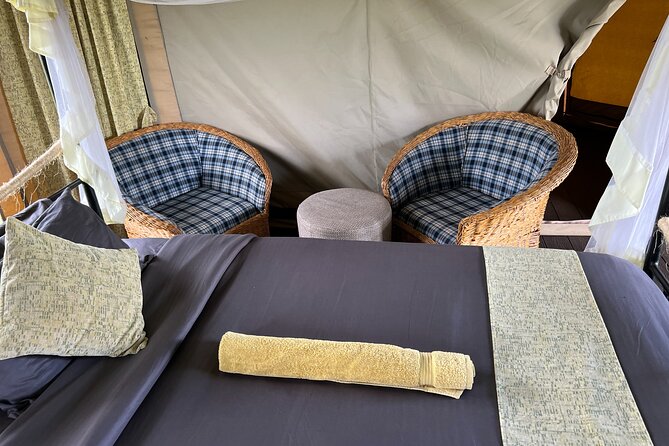
After breakfast, you drive toward Serengeti National Park. The name comes from the Maasai word for endless plains, and the park earns that description in the central and southern areas.
You can add a visit to a Maasai village or Olduvai Gorge, but neither is included in the base price. The Maasai visit offers a chance to learn about local culture and take part in tribal activities. Olduvai Gorge and its museum focus on early human history and East Africa’s place in the story of human development.
These additions may be worthwhile, but they lengthen an already full road day. If your priority is reaching the Serengeti for more time with wildlife, ask how the optional stop affects the schedule before adding it.
The road approach is slower than flying to a Serengeti airstrip, but it lets you see how the terrain changes as you move inland. Domestic flights can be arranged separately from a Serengeti airstrip to Kilimanjaro or Zanzibar. They are not part of the listed price.
Other safaris people book out of Arusha:
- 5 Days Group Camping Safari
★ 5.0 · 730 reviews - 3 Days Serengeti & Ngorongoro Group Camping Safari
★ 5.0 · 574 reviews - 7-Day Premium Luxury Tanzania Safari All-Inclusive
★ 5.0 · 426 reviews - 3-Day Classic Serengeti Safari
★ 5.0 · 263 reviews
Day 4: A full day in the Serengeti
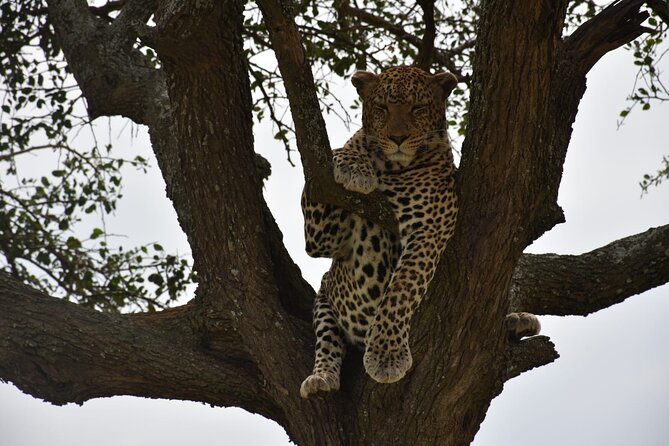
A full day in the Serengeti is one of the strongest parts of the plan. You are not packing up after a single short game drive. Instead, you have time to search for animals across open plains, acacia country, kopjes, wooded grassland, and the black clay plains farther west.
The park is known for wildebeest, zebra, antelope, lions, and cheetahs. Kopjes, the scattered rocky outcrops, are useful places to scan for predators and also break up the huge open views.
A full day gives your driver-guide more flexibility. You can spend longer with an interesting sighting rather than treating every animal as a quick stop. It also gives you a better chance of seeing how the park changes from morning to afternoon.
Your package includes a bush lunch in the Serengeti. That saves you from returning to a lodge in the middle of the day and keeps more time available for the park. Bottled water is supplied in the safari vehicle.
Day 5: Morning Serengeti drive and transfer to Ngorongoro
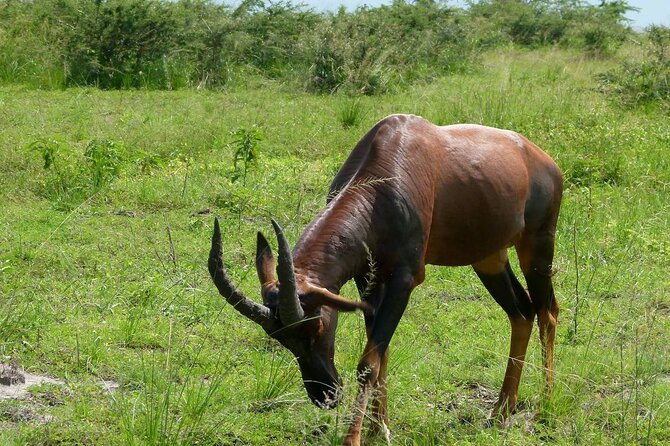
You begin with a morning game drive in the Serengeti before transferring to the Ngorongoro Conservation Area. This connects the main Serengeti viewing with the southern ecosystem where the calving season is concentrated.
The southern plains usually hold much of the wildebeest movement from December through April. Elephants, birds, and resident animals are also found in the area, so the drive is not only about following the herds.
You check into your lodge and have an afternoon game drive. The schedule again lists about eight hours, so expect a full day rather than a quiet transfer. The value is that you get a first look at the Ndutu area before the dedicated full-day drive that follows.
Day 6: Full-day Ndutu calving drive
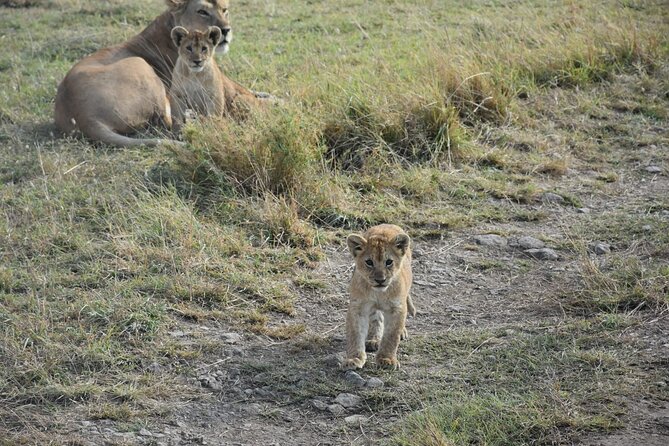
This is the day around which the safari is designed. You spend the day in Ndutu, moving through marshes, woodland, soda lakes, and short-grass plains.
The central sight is the calving herds. Newborn wildebeest calves can be vulnerable, but they also become mobile quickly. That creates intense viewing, especially when predators are nearby. Lions hold resident territories around the marshes and plains, while cheetahs are often associated with the open ground. Hyenas may also be present.
Keep your expectations realistic. A calving safari does not guarantee a birth or a predator chase. Wildlife is unpredictable, and the best moments may involve patience rather than constant action. Your driver-guide’s ability to read animal behavior and communicate with nearby vehicles can make a real difference.
The full-day format is important. A shorter visit could easily miss the key sighting, especially when animals are spread across several habitats. It also lets you pause for birds around the lakes and watch the herds without rushing back to camp.
Day 7: Down into Ngorongoro Crater
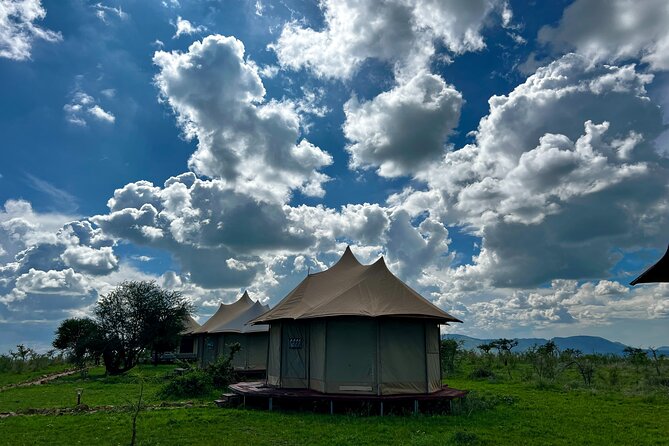
The descent into Ngorongoro Crater brings a very different type of wildlife viewing. The crater is about 600 meters deep, 16 kilometers across, and covers roughly 265 square kilometers. Its enclosed floor supports a large concentration of animals.
You may see lions, cheetahs, eland, zebra, gazelle, buffalo, and elephants. The crater is also one of the better places in the itinerary to look for black rhinos, although sightings are never promised. At Makat Soda Lake, flamingos and other birds may be feeding.
The crater’s compact shape can make animal viewing feel efficient, but it can also feel busier than the wide Serengeti. You are sharing a famous destination with other safari vehicles, and the descent and ascent add road time.
After the crater drive, you return to Moshi and spend the night at Springlands Hotel. This is another demanding day, with both a morning crater visit and a long transfer. I would not choose this schedule if you want a slow, lodge-centered holiday. I would choose it if you want to fit major northern Tanzania sights into one organized route.
Day 8: Moshi and the airport transfer
The final morning is free before your transfer to Kilimanjaro Airport. If your flight leaves in the evening, extra day activities may be arranged separately.
The free morning gives you a little breathing room after the long safari days. Still, do not assume you have a full sightseeing day. Your airport transfer time depends on your departure, and any added activity should be arranged with that timing in mind.
What the $2,400.40 price covers
At $2,400.40 per person, this is a significant purchase, but the value depends on how much you use the included structure. The price covers transport in a 4×4 vehicle with a viewing roof, a qualified driver-guide, full-board accommodation during the safari, park-related fees and taxes, airport transfers, bottled water, and a Serengeti bush lunch.
It also includes seven breakfasts, six lunches, and six dinners. That reduces the need to budget for daily meals, though you should check exactly which lodging nights and meals apply to your booking.
The six-person cap improves the value. A private vehicle and small party mean you are not locked into a large coach schedule. You can also ask questions, adjust your attention between birds and big animals, and make better use of the roof opening.
Budget separately for:
- Tanzania entry visa
- Travel and health insurance
- International flights
- Optional Maasai village visit
- Optional Olduvai Gorge visit
- Domestic flights
- Meals, drinks, and activities not described in the plan
The cancellation terms are strict: the experience is non-refundable and cannot be changed after booking. I would only pay once your flights, insurance, and dates are secure.
The guide can shape the safari
A safari vehicle is only as useful as the person driving and interpreting the wildlife. The company’s past trip feedback has specifically named Martin, Marko, and Kileo. Martin has been associated with friendly service, Marko with careful driving and animal spotting, and Kileo with strong support on the road.
That does not mean you can select one of them unless the operator confirms it. Ask before booking if a particular guide matters to you, and ask how the company handles guide assignment.
The included 24-hour office support in Moshi is another practical safeguard. It is not a replacement for good guiding, but it gives you a local contact during the route.
Who should book this safari?
I would recommend it to you if your top goals are wildebeest calving, predator viewing, and seeing several major northern Tanzania parks without planning every transfer yourself.
It suits couples, families, and small groups who value a private vehicle and do not mind long road days. The family feedback also points to the appeal of a careful driver and a travel designer who handles the schedule, though you should still ask detailed questions about lodging and daily drive times.
I would hesitate if you dislike early starts, bumpy or lengthy road transfers, or fixed schedules. I would also compare this route with a fly-in safari if your main goal is to maximize time in Ndutu and reduce time on the road.
Should you book it?
Book this safari if the January to March calving season is your main reason for visiting Tanzania. The combination of Ndutu, a full Serengeti day, Ngorongoro Crater, Lake Manyara, and a small 4×4 group gives you a broad first safari with a clear seasonal focus.
Before paying, confirm the exact lodges, the assigned guide, the number of nights in each area, and the extra cost of any Maasai or Olduvai stop. If you accept the long drives and strict cancellation policy, the package offers a practical way to reach the southern Serengeti at one of its most active times.
FAQ
How long is the safari?
The safari lasts approximately eight days, beginning with arrival at Kilimanjaro Airport and an overnight stay in Moshi, then ending with a transfer from Moshi to the airport.
When does the wildebeest calving safari operate?
The experience is designed for January through March, when wildebeest calving normally takes place in the Ndutu area and the southern Serengeti plains.
What parks and areas are included?
The route includes Lake Manyara National Park, Serengeti National Park, the Ngorongoro Conservation Area, Ndutu, and Ngorongoro Crater. Tarangire National Park is described as part of the tour overview, but the day-by-day schedule provided does not show a Tarangire visit, so confirm this before booking.
How many people can join the safari?
The maximum group size is six people. Transport is provided in a 4×4 vehicle with a viewing roof.
Are airport transfers included?
Yes. Transfers to and from the airport are included. The arrival transfer is from Kilimanjaro Airport to Moshi, and the final transfer is from Moshi to Kilimanjaro Airport.
Are meals included?
Breakfast, lunch, and dinner are included during the safari according to the listed meal plan. A bush lunch in the Serengeti and bottled water in the safari vehicle are also included.
Are flights included?
International flights are not included. Domestic flights are also not included, but they can be arranged separately between a Serengeti airstrip and Kilimanjaro Airport or Zanzibar Airport.
Can I cancel or change the booking?
No. The experience is non-refundable and cannot be changed for any reason after booking.
More migration safaris from Arusha
- 8 Days Great Wildebeest Calving Migration Safari from Arusha
★ 5.0 · 254 reviews - 10-Day Serengeti Wildebeest Migration Safari from Arusha
★ 5.0 · 218 reviews - 8 Day Spectacular Migration Serengeti mid -Range Tanzania Safari
★ 5.0 · 161 reviews - 9-Day Serengeti Migration Footsteps Tanzania Safari
★ 5.0 · 96 reviews
Just added in Arusha
- 4 Days Private Midrange Lodge Safari to Serengeti & Ngorongoro★ 5.0 · 4 reviews
- Extraordinary Hot air Bolloon ride in Serengeti | BURIGI CHATO SAFARIS CO L.T.D★ 5.0 · 6 reviews
- 3 days leopard safaris★ 5.0 · 4 reviews
- 8 Days Serengeti Migration safari★ 5.0 · 11 reviews
- tarangire, ngorongoro & lake manyara park 3 days private tour★ 5.0 · 11 reviews
- serengeti, ngorongoro & tarangire 4 days private tour★ 5.0 · 18 reviews
- tarangire & ngorongoro 2 days tour★ 5.0 · 14 reviews
- Mt. Kilimanjaro: Shira plateau to Cathedral point 3872m Day hike★ 5.0 · 7 reviews
Wildebeest Migration Safaris, compared.
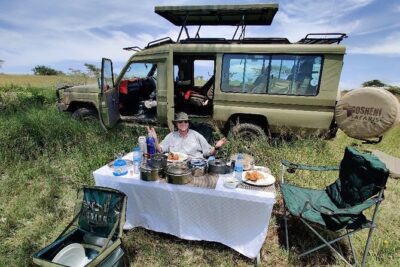
8 Days Great Wildebeest Calving Migration Safari from Arusha
Read our review →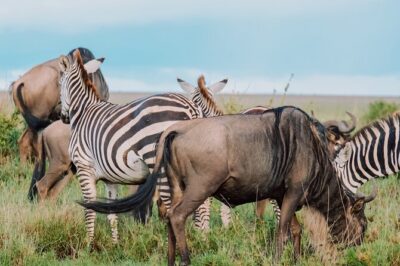
10-Day Serengeti Wildebeest Migration Safari from Arusha
Read our review →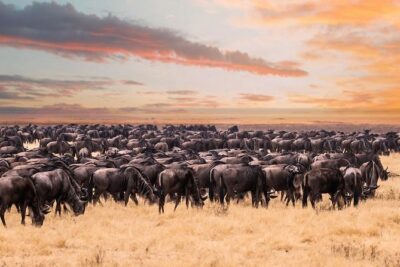
8 Day Spectacular Migration Serengeti mid -Range Tanzania Safari
Read our review →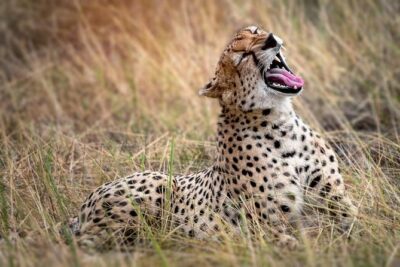
9-Day Serengeti Migration Footsteps Tanzania Safari
Read our review →
Private 6-Day Great Migration Ndutu Serengeti Safari Tour
Read our review →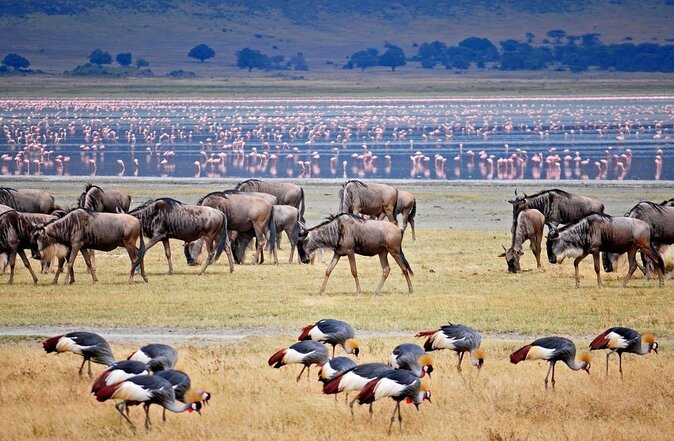
4 Day Great Migration Safari Serengeti & Ngorongoro Crater
Read our review →Browse the lists this tour appears in