
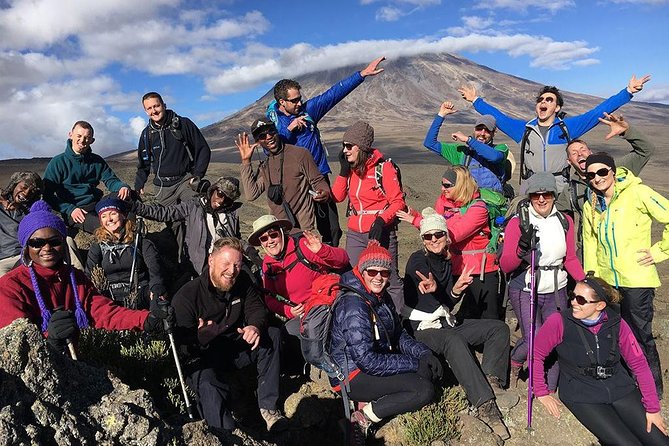
Reviewed · KILIMANJARO TREKS
7 Days Machame Route Trek Mount Kilimanjaro
Kilimanjaro saves its hardest test for the final night. This seven-day Machame Route trek takes you from monkey-filled rainforest to Uhuru Peak at 5,895 meters, with several days to adjust before the summit push. You camp each night and travel with a small group of no more than four people.
I like the changing scenery, especially the jump from giant trees and Impatiens kilimanjari flowers to the stark alpine desert around Lava Tower. I also like the route’s built-in acclimatization day, where you climb to 4,640 meters and sleep lower at Barranco Camp. The main drawback is simple: this is a demanding climb, and summit night can last up to nine hours before you even begin the descent.
Key points to know before booking
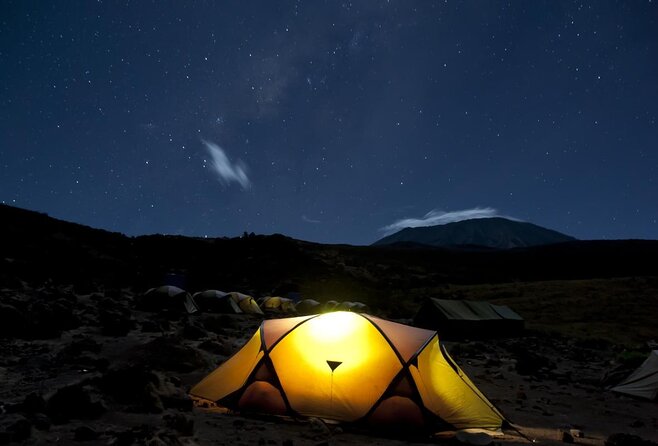
- The route crosses five distinct ecological zones, from rainforest to the snowy summit of Kibo.
- Day three is the key acclimatization stage, climbing to Lava Tower before descending to Barranco Camp.
- The Barranco Wall looks more intimidating than it is, but you will use your hands in places for balance.
- Summit night begins around midnight, with five to seven hours to Stella Point and another one to two hours to Uhuru Peak.
- The group limit is four people, useful when hiking pace and altitude tolerance vary.
- The $2,200 price buys a serious guided expedition, but you should confirm exactly what is included before paying.
Why the Machame Route earns its reputation
The Machame Route is a strong choice if you want Kilimanjaro to feel like a changing journey, not just a long uphill walk. Your first hours pass beneath tall rainforest trees, where ancient trunks, ferns, and bright endemic flowers create a cool, enclosed start. Colobus monkeys may appear in the canopy, though wildlife sightings are never guaranteed.
Higher up, the trees thin out. Heath and moorland replace the forest, then give way to dry alpine desert. By the time you reach the upper camps, the mountain feels spare and severe, with Kibo’s glaciers and summit ridge dominating the view.
I like that this seven-day plan does not rush directly to the top. The route climbs high on day three, then drops to Barranco for sleep. That pattern gives your body a better chance to adjust to altitude than a short itinerary with fewer nights.
Still, no itinerary can remove altitude risk. You may feel strong in the forest and surprisingly tired above 4,000 meters. The guide’s pacing and judgment matter, but your own response to height will decide much of the outcome.
Other routes up the mountain from Arusha:
- 8-Day Small-group Lemosho Kilimanjaro Summit Trekking
★ 5.0 · 186 reviews - 5 Days Best of Tanzania Luxury Safari Northern Circuit
★ 5.0 · 174 reviews - 7-Day Machame Kilimanjaro Summit Tour from Arusha
★ 5.0 · 125 reviews
Day one: rainforest from the gate to Machame Camp
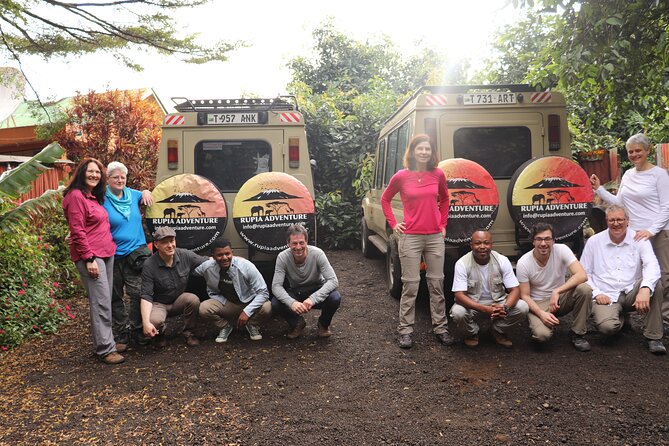
Pickup is scheduled after breakfast, with an 8:30 am start time. You will travel from your hotel to the Kilimanjaro National Park gate, complete the required paperwork, and begin the walk toward Machame Camp.
The hike takes about five to six hours. This is a steady introduction rather than a technical climb, but the trail can feel long if you are carrying more than expected. The forest is the star of the day. Look for giant trees, primeval ferns, and Impatiens kilimanjari, an endemic flower associated with the mountain.
Colobus monkeys may peer through the leaves. They are black and white, with a distinctive appearance, and spotting them adds a welcome touch of wildlife to what is otherwise a trekking day.
At camp, you can stretch, rest, and eat a hot meal before sleeping in a tent. That tent routine becomes familiar quickly: hike, wash as best you can, eat, organize your sleeping bag and clothing, then rest. If you prefer hotels and private bathrooms every night, this trip will test your patience from the beginning.
Day two: leaving the trees for Shira Plateau
The second morning starts early, even though the day is not the longest. The aim is to reach Shira Camp around mid-afternoon rather than arrive late and tired.
The scenery changes quickly. The dense green forest gives way to heath and moorland, with ferns and open slopes replacing the heavy canopy. This is one of the most satisfying parts of the route because you can see the mountain’s ecology changing under your feet.
At Shira Camp, views toward Kibo open up. The glaciers may catch the late sunlight, giving you a first clear sense of the upper mountain. It is a fine place to eat, settle into camp, and take the next day seriously.
The drawback is that the air is already thinner, while the body has had little time to adapt. Keep your pace slow and drink regularly. The point is not to prove how fast you can walk. The point is to arrive at the next camp able to continue.
Day three: Lava Tower and the Barranco Valley
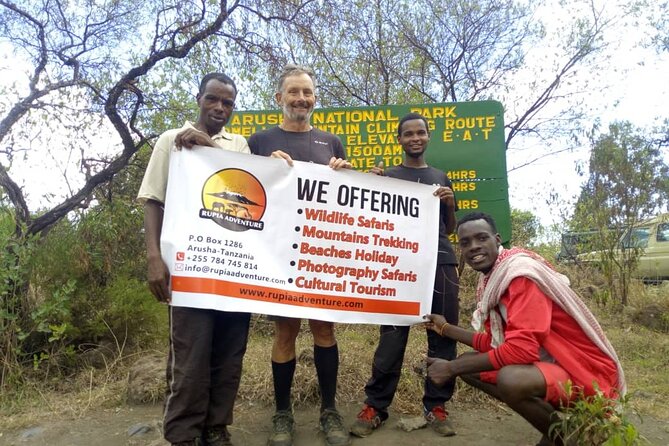
Day three is the route’s most important acclimatization stage. From Shira Plateau, you climb roughly 700 meters to Lava Tower at 4,640 meters, rest there, and then descend to Barranco Camp.
This is the classic climb-high, sleep-lower pattern. You spend time at a higher altitude without sleeping at that same height, which can help your body adjust. It is not a guarantee against altitude sickness, but it is one of the better features of the schedule.
The full trek takes around six to seven hours. The upper section passes through dry alpine desert, where the plant life becomes smaller and more unusual. In the Barranco Valley, you may see lobelia and giant senecio plants, striking survivors in a harsh environment.
Barranco Camp is a rewarding finish because the valley gives the day a sense of arrival. You will likely be tired, but the route has prepared you for the next morning’s main obstacle: the Barranco Wall.
If you develop serious symptoms at altitude, tell your guide immediately. Do not treat the day as a contest. A summit attempt is never worth hiding a medical problem.
Same base, a different kind of day out:
- Serengeti Balloon Safari and authentic bush breakfast
★ 5.0 · 2,480 reviews - Balloon Safari & Bush Breakfast in Serengeti – Miracle Experience
★ 5.0 · 1,646 reviews - Tanzania Classic – 7 Days
★ 5.0 · 1,151 reviews - 4 Days Group Camping Safari
★ 5.0 · 1,101 reviews
Day four: the Barranco Wall and Karanga Camp
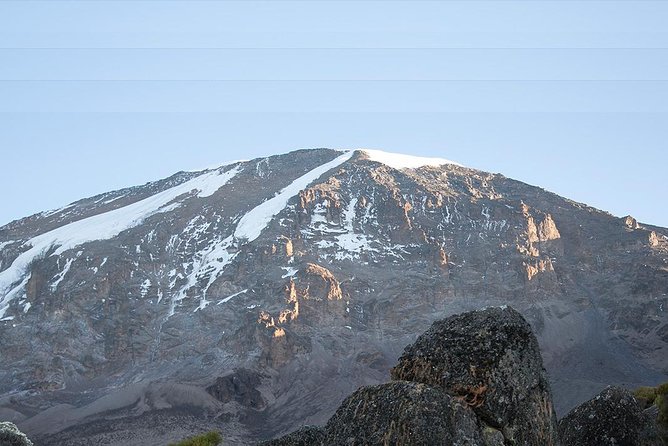
The Barranco Wall looks dramatic from camp. The good news is that it is not a technical climbing section. You may use your hands for grip and balance, but the route does not require climbing equipment. Your guide accompanies you closely and can help you choose secure steps.
After the wall, the trail rises and falls along a mountain ridge. These repeated ascents and descents can feel frustrating, especially after the effort of the wall, but they continue the gradual acclimatization process.
The scenery also changes again. You will see sharp contrasts between bare, dry ground and scattered vegetation. Karanga Camp arrives after about three to four hours, leaving a useful amount of time to rest.
That short hiking day is valuable. It lets you recover before the final approach to Barafu, and it gives you time to organize your clothing and equipment for summit night. The itinerary even allows time for a game of rummy, a small reminder that a mountain expedition also involves long, quiet hours at camp.
Day five: Barafu Camp and the wait for midnight
After breakfast, you walk toward Barafu Camp. Kibo remains in view, and the route crosses very dry, desert-like ground. The scenery is stark rather than lush, but that severity makes the summit feel close.
The hike takes about three to four hours. Once you reach Barafu, the schedule changes. You eat an early dinner, prepare for the summit, and try to sleep before being woken around midnight.
This is one of the hardest parts mentally. You may have spent five days walking and sleeping poorly, yet the most difficult section is still ahead. Organize your warm layers, headlamp, water, snacks, and other essentials before lying down. You do not want to search through your bag at midnight.
The tour information confirms tea and biscuits before the final ascent. Other equipment and inclusions are not specified, so ask the operator what meals, sleeping equipment, porter support, park fees, transfers, and hotel nights are covered by the $2,200 price.
Day six: Stella Point, Uhuru Peak, and the long descent
The summit day begins around midnight. Under moonlight and headlamp beams, you climb toward Stella Point on the crater rim. The ascent takes about five to seven hours, depending on pace and conditions.
This is the most physically demanding section. The air is thin, the trail rises steadily, and progress can feel painfully slow. Your guide will set the pace, but you still need patience. Small steps are normal here.
From Stella Point, it takes another one to two hours to reach Uhuru Peak at 5,895 meters. Reaching the summit places you on Africa’s highest point, with the sun rising over the continent and snow and glaciers around Kibo catching the morning light.
Take your photographs, but do not linger too long. At this altitude, the cold and thin air can drain you quickly. The descent follows the same route back to Barafu Camp, where the mountain team awaits you with food and rest.
The descent is often underestimated. One person described it as harder than the climb down, and that is easy to understand: your legs are tired, your concentration is fading, and the loose ground can punish your knees. After resting at Barafu, you continue to a lower camp according to the operator’s schedule, though the supplied itinerary cuts off before naming that overnight location.
This missing detail is worth clarifying before booking. Summit-day timing, the post-Barafu camp, and the exact sleeping arrangement should be written clearly in your confirmation.
Day seven: rainforest again and the Mweka Gate
The final morning begins with breakfast and a farewell ceremony from the mountain crew. Then you descend through the rainforest toward Mweka Gate.
The walk takes about two to three hours. After the dry upper mountain, the return to trees feels almost startling. You may have another chance to spot colobus monkeys, though tired legs may make the forest seem longer than it did on day one.
At Mweka Gate, transport takes you back to your hotel. The plan includes a long shower, time by the pool, dinner, and an overnight stay at the hotel. That final night matters. You have earned a proper bed and a slower evening.
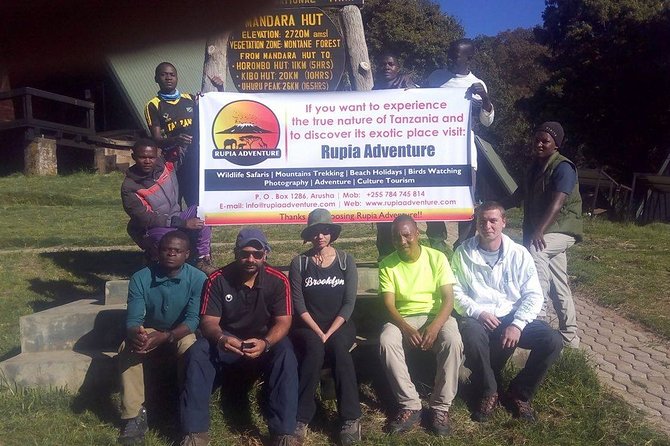
The farewell ceremony also gives you a chance to thank the guides, cooks, and porters who made the climb possible. Several named guide teams connected with Rupia Adventure include Gideon, Laurent, Emanuel, Meshack, Julius, Johnny, Frank, and Mathias. Your assigned team may be different, so confirm the guide names before departure if that matters to you.
What the $2,200 price means
At $2,200 per person, this is not a cheap weekend hike. You are paying for a seven-day mountain operation involving national park access, transport, guides, porters, cooking, camp support, and a hotel night, though the supplied details do not spell out every inclusion.
The price looks reasonable for a guided Kilimanjaro climb if those main expedition costs are covered. The small group limit of four is also useful. A guide can pay closer attention to walking pace, altitude symptoms, and morale when the group is not large.
Before booking, ask for a written list covering:
- Park fees and rescue or conservation charges
- Airport or hotel transfers
- Tents, sleeping mats, and other camping equipment
- Meals and drinking water
- Porter numbers and luggage limits
- The missing overnight arrangement after the summit
- The hotel night before or after the trek
- Tips and any required equipment rental
The operator has received a 5 rating from 12 listed ratings, with 100 percent recommending the experience. The praise centers on organized preparation, supportive guides, experienced cooks, and porters who encourage people through the summit attempt. A pre-climb briefing and gear check have also been part of some trips, which is exactly the sort of practical preparation you want.
One person specifically advised taking Diamox. Treat that as personal advice, not a requirement. Ask a medical professional about altitude medication before your trip, and do not use it as a substitute for reporting symptoms.
Who should choose this climb
This trek suits you if you want a full Kilimanjaro experience with changing scenery, tent camping, and a route that gives acclimatization serious attention. It is also a good fit if you value a small group and close contact with your guide.
You should be comfortable hiking for several hours on consecutive days. You also need to accept the possibility of cold nights, basic camp life, thin air, and a long summit day that includes a major descent.
This is not the right choice if you want a relaxed sightseeing holiday, guaranteed wildlife sightings, or a short walk to the summit. The route is beautiful, but it asks for physical effort and mental patience.
Pickup is offered, confirmation is provided at booking, and a mobile ticket is available. Most people can participate, but the description does not promise that every medical or mobility condition is suitable. Discuss your fitness and health concerns with the operator before you pay.
Should you book the Machame Route trek?
I would consider this a strong option for a determined first-time Kilimanjaro climber who wants a scenic route and a sensible seven-day schedule. The best features are the small group size, the Lava Tower acclimatization day, the excellent range of scenery, and the direct support of an experienced mountain crew.
Book it if you are ready for camping and understand that the summit is not guaranteed. Before committing $2,200, get the inclusions and the post-summit schedule in writing. If you prepare carefully, walk slowly, and respect altitude, this route gives you a well-planned chance to reach Uhuru Peak without reducing the mountain to a rushed race.
Cancellation is free up to 24 hours before the start time for a full refund. Later cancellations or changes are not refunded, and poor weather or failure to meet the minimum group size may lead to another date, another experience, or a refund.
FAQ
Where does the trek begin?
The experience is based in Arusha, Tanzania. You are picked up from your hotel after breakfast and taken to the Kilimanjaro National Park gate.
What time does the trek start?
The listed start time is 8:30 am.
How long is the Machame Route trek?
The experience lasts approximately seven days.
Where do you sleep during the trek?
Overnight stays on the Machame Route use tents. The final night after reaching Mweka Gate is at a hotel.
How many people can join the group?
The maximum group size is four people.
What altitude does Uhuru Peak reach?
Uhuru Peak is 5,895 meters above sea level.
How high is Lava Tower?
The route reaches Lava Tower at approximately 4,640 meters on day three.
Is the Barranco Wall a technical climb?
No. You may use your hands for grip in some sections, but no actual climbing is required.
How long does the summit ascent take?
The climb from Barafu Camp to Stella Point takes about five to seven hours. The final walk from Stella Point to Uhuru Peak takes another one to two hours.
Can I cancel for a full refund?
Yes. You must cancel at least 24 hours before the experience start time for a full refund. Less than 24 hours is not refundable.
More Hiking & Trekking in Arusha
- Mountain Kilimanjaro Day Hike
★ 5.0 · 102 reviews - Private Full Day Hiking Experience to Marangu Route
★ 5.0 · 61 reviews - 4 Days Mount Meru Trekking
★ 5.0 · 55 reviews - 4 days Best experience Kilimanjaro Hike, Serengeti &Ngorongoro
★ 5.0 · 54 reviews
Just added in Arusha
- 4 Days Private Midrange Lodge Safari to Serengeti & Ngorongoro★ 5.0 · 4 reviews
- Extraordinary Hot air Bolloon ride in Serengeti | BURIGI CHATO SAFARIS CO L.T.D★ 5.0 · 6 reviews
- 3 days leopard safaris★ 5.0 · 4 reviews
- 8 Days Serengeti Migration safari★ 5.0 · 11 reviews
- tarangire, ngorongoro & lake manyara park 3 days private tour★ 5.0 · 11 reviews
- Mt. Kilimanjaro: Shira plateau to Cathedral point 3872m Day hike★ 5.0 · 7 reviews
- serengeti, ngorongoro & tarangire 4 days private tour★ 5.0 · 18 reviews
- tarangire & ngorongoro 2 days tour★ 5.0 · 14 reviews
Kilimanjaro Treks, compared.



8-Day Small-group Lemosho Kilimanjaro Summit Trekking
Read our review →

5 Days Best of Tanzania Luxury Safari Northern Circuit
Read our review →

Climbing Kilimanjaro through 7 days Machame Route
Read our review →
7-Day Machame Kilimanjaro Summit Tour from Arusha
Read our review →Browse the lists this tour appears in