
Reviewed · WILDEBEEST MIGRATION SAFARIS
6-Day Serengeti Migration: Private Safari with Mid-range Luxury
The great hook here is variety: in six days, you move from elephant country in Tarangire to the open plains of Serengeti and then down into the wildlife-filled Ngorongoro Crater. A private 4×4, a maximum of seven people, and a pop-up roof give you a good setup for long game drives.
I like the route because it gives you both full Serengeti time and a proper crater visit, rather than treating either place as a quick photo stop. I also like the practical package: airport transfers, meals, water, accommodation before and after the safari, and a safari cook are included.
The main consideration is the pace. You cover a lot of ground, and the second day is largely a transfer toward Serengeti. At $5,340 per person, this is a serious purchase, so you should confirm the exact accommodation, guide, and migration area before paying.
Key points to know before booking
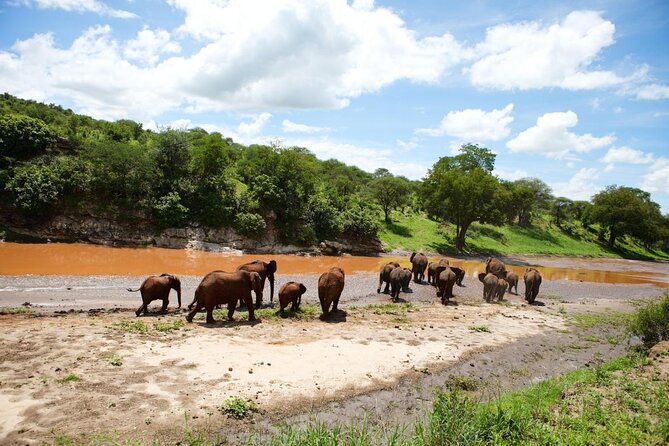
- Tarangire starts the wildlife action: Expect elephants, baobabs, lions, giraffes, buffalo, zebras, antelopes, and many bird species on the first full day.
- Serengeti gets three substantial game-drive days: Central Serengeti and the Seronera Valley are the main focus, with possible migration tracking.
- Ngorongoro is more than a viewpoint: You descend into the crater for an early start, picnic lunch, hippo lake stop, and afternoon wildlife viewing.
- The vehicle is built for safari: You ride in a Toyota Landcruiser 4×4 with a pop-up roof, six window seats, and power adapters.
- The group stays small: The maximum is seven people, which matters during long drives and wildlife sightings.
- The price covers many expensive basics: Park fees, fuel, meals, transfers, guide and cook wages, water, and accommodation are included.
Why this six-day route works
This safari links four of Tanzania’s best-known wildlife areas, but each one gives you a different kind of day. Tarangire is compact and especially good for elephants. Serengeti gives you space, predators, and the possibility of following the migration. Ngorongoro offers concentrated wildlife inside a dramatic volcanic crater.
You begin with a briefing at your Arusha hotel the day before departure. That is useful. Safari mornings can start early, and a proper briefing gives you time to ask about luggage, clothing, meals, pickup time, and the day-by-day route. If you arrive late, the briefing takes place on the morning you leave.
The safari starts and ends in Arusha or Moshi. Airport pickup and drop-off are included, along with one night before and one night after the main safari. That makes the package easier to manage if you are flying in or out, though you should confirm the exact hotel and transfer arrangements before arrival.
The operator has arranged trips with guides such as Goodluck, Adam, and Julius. The supplied information does not assign one of them to this six-day departure, so ask for your guide’s name in advance. That small step can help you understand who will handle wildlife interpretation, timing, meals, and any changes on the road.
Other park itineraries that start in Arusha:
- Serengeti Balloon Safari and authentic bush breakfast
★ 5.0 · 2,480 reviews - Balloon Safari & Bush Breakfast in Serengeti – Miracle Experience
★ 5.0 · 1,646 reviews - 4 Days Group Camping Safari
★ 5.0 · 1,101 reviews
Day 1: Tarangire, elephants beneath the baobabs
After breakfast, you drive to Tarangire National Park for a full day of game viewing. This is a strong first stop because the park gives you a good chance of seeing large animals without waiting several days for the safari to build momentum.
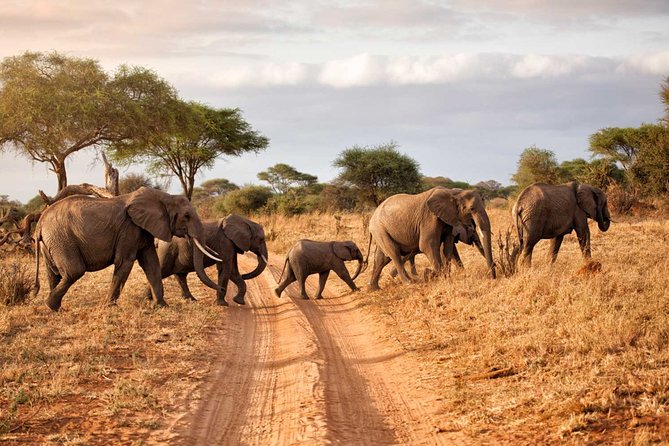
Tarangire is known for its elephant population. You may see family groups feeding, walking, or gathering near water. The park also has lions, leopards, buffalo, zebras, giraffes, antelopes, and many birds.
The baobab trees are part of the appeal. Their thick trunks and unusual shapes make the park feel unlike the open Serengeti that comes later. The Tarangire River draws animals, especially during dry periods, so your guide will use water sources and recent sightings to plan the drive.
You spend about eight hours on this day. That is plenty of time for wildlife viewing, but it is also a long first day in a vehicle. The pop-up roof lets you stand for better views, while the six window seats reduce the cramped feeling common in safari vans.
A picnic or packed lunch is part of the safari meal plan, though the exact lunch arrangement for Day 1 should be confirmed. Bring a hat, sunscreen, and a light layer. You may sit in the vehicle for long periods, then stand quickly when an animal appears.
Day 2: Crossing the highlands toward Serengeti
Day 2 is the transition from northern Tanzania’s cultivated highlands to the wide plains of Serengeti. The route passes by Lake Manyara and crosses the Ngorongoro Conservation Area before reaching Serengeti in the early afternoon.
The cultural side of the route includes a Maasai village visit in the Ngorongoro highlands. This can add useful context to the protected areas, since the region is not simply empty wilderness. Confirm how long the village visit lasts and whether any activities or purchases carry extra charges.
This is also the day when the amount of driving becomes clear. A seven-hour day with changing roads and scenery is part of the cost of reaching Serengeti. You should not expect a full morning and full afternoon game drive here.
The reward comes later in the day, when the route reaches the park. You spend the night at Baobab Serengeti Tented Camp or a similar property. Ask what similar means in this case, since the final accommodation may affect the room style, location, and dining setup.
Days 3 and 4: Central Serengeti and the search for predators
Day 3 focuses on the Seronera Valley, one of the main wildlife areas in central Serengeti. The plan calls for a morning game drive, a picnic lunch inside the park, and more wildlife viewing until late afternoon.
The Seronera area is suited to patient watching. During dry periods, animals gather near water, and you might see predators hunting or resting after a meal. The guide’s skill matters here. A good safari guide watches animal behavior, reads the position of other vehicles, and knows when to wait rather than rush away.
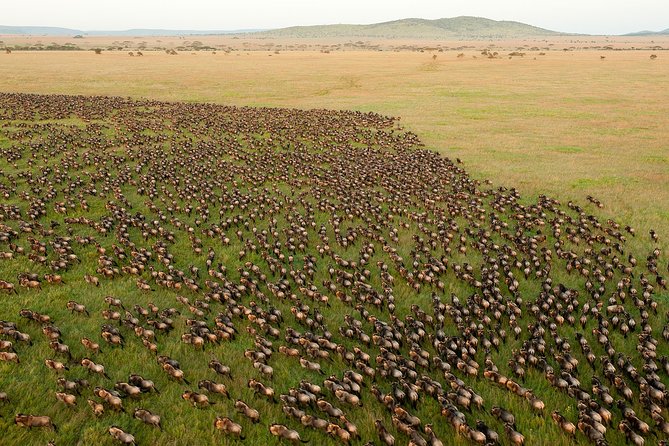
The migration is not a fixed attraction in one place. Its route changes with rain, grazing, and the time of year. This itinerary can include tracking the herds from central toward northern Serengeti, but no six-day schedule can promise a particular crossing or exact herd location. Ask the operator for a current migration update before you book.
Day 4 is the fullest Serengeti day, with about eight hours available for game drives. This is one of the strongest parts of the schedule because you are not simply passing through. You have time to look for elephants, buffalo, lions, leopards, and rhinos, along with smaller animals and birds.
Serengeti changes as you move through it. The southern section is known for broad grasslands, while the north and west include woodland and hills. The route described here emphasizes central Serengeti, but the guide may adjust the drive according to wildlife reports and road conditions.
Long game drives require realistic expectations. You might spend an hour watching one pride of lions or follow a sighting that turns into nothing. The quiet stretches are part of the safari, not wasted time. Bring a camera with spare batteries, and keep your binoculars within reach.
Other safaris people book out of Arusha:
- 5 Days Group Camping Safari
★ 5.0 · 730 reviews - 3 Days Serengeti & Ngorongoro Group Camping Safari
★ 5.0 · 574 reviews - 7-Day Premium Luxury Tanzania Safari All-Inclusive
★ 5.0 · 426 reviews - 3-Day Classic Serengeti Safari
★ 5.0 · 263 reviews
Day 5: Sunrise in Serengeti, then up to Ngorongoro
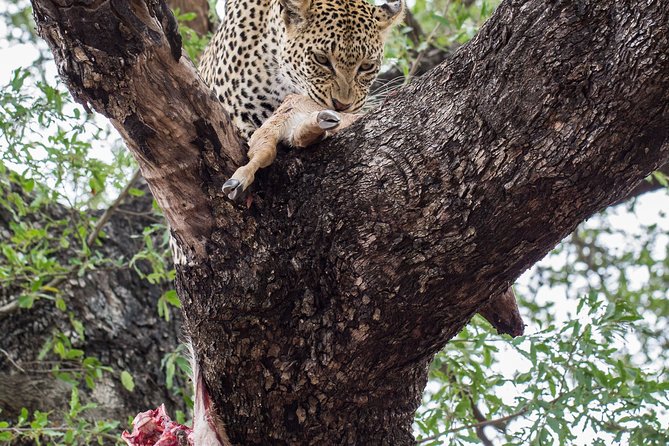
Day 5 begins with an early Serengeti game drive. Sunrise is a fine time to be out because the light is soft and many animals are active. After the drive, you return to camp for brunch before transferring toward Ngorongoro.
This day combines two different experiences, but it also involves a lot of road time. You should expect the morning drive to be shorter than a full Serengeti day, followed by the transfer to the crater area.
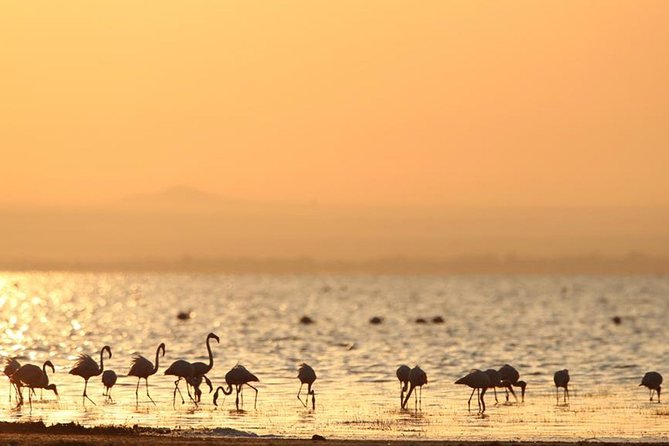
Ngorongoro Crater is about 2,000 feet deep, with a floor covering roughly 102 square miles. Inside are open plains, forest, swamps, a river, and a soda lake where flamingos may gather. That mix of habitats helps explain why the crater can offer concentrated wildlife viewing.
The crater is also one of the better places on this route to look for black rhino, though sightings are never guaranteed. Large bull elephants live in the area as well. You may also see lions, buffalo, hippos, zebras, and other species during the descent the next morning.
The night before the crater visit is important. Ask exactly where you sleep and how early you must leave camp. The schedule calls for a very early descent, so a location close to the crater access road can make the morning easier.
Day 6: Down into Ngorongoro and back to Arusha or Moshi
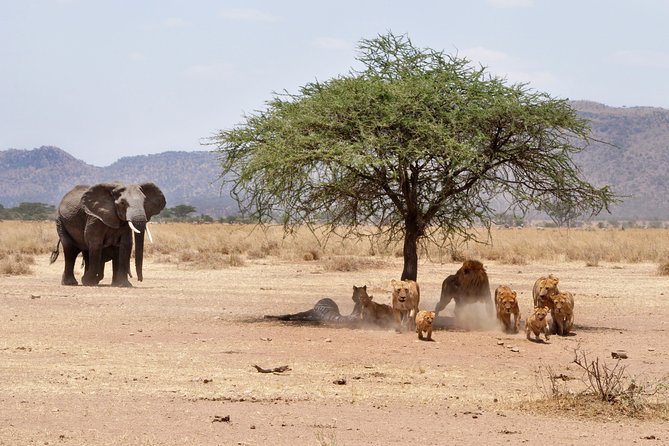
The final day begins with a descent to the crater floor for wildlife viewing. This is an early start, but it gives you the best chance of enjoying the crater before the day becomes too warm and before the schedule turns toward the drive back.
You stop for picnic lunch near a hippo lake, then continue viewing in the afternoon. Hippos are usually best watched from a safe distance, and the area around the lake may also attract birds and other animals.
The crater has steep walls, so the exit road is part of the experience. Once you climb out, you return to Arusha or Moshi. The listed day runs for about eight hours, but actual return time depends on road conditions, wildlife stops, and your final destination.
If you have a flight the same evening, allow plenty of extra time. The provided itinerary does not promise a fixed arrival hour. A post-safari night is included, which is useful if you want a buffer before flying onward or simply need rest after several early starts.
What the $5,340 price includes
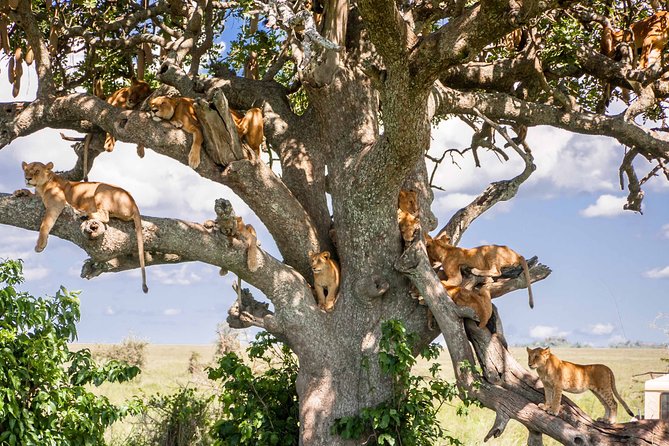
At $5,340 per person, this is priced as a private mid-range luxury safari, not a budget camping trip. The value depends heavily on how many people share the vehicle, the quality of the camps, and the exact dates.
The package includes:
- A Toyota Landcruiser 4×4 with pop-up roof
- Six window seats and power adapters
- Professional English-speaking guide
- Safari cook and staff wages
- Fuel for game drives
- Bottled water
- Ngorongoro Crater fee
- Park fees and taxes
- Airport pickup and drop-off
- Accommodation before, during, and after the safari
- Breakfast, lunch, and dinner
That list removes many costs that can catch you by surprise on safari. Fuel alone matters on a route with long transfers, and park fees can make a private itinerary much more expensive than it first appears.
Still, confirm what the price means for accommodation. The description names Baobab Serengeti Tented Camp or a similar property, but it does not provide a full camp list. Ask for the names, room type, bathroom arrangement, meal style, and whether the one night before and after the safari uses the same standard.
You pay extra for visas, flights, airport taxes, insurance, personal purchases, tips, extra nights, and additional activities. Yellow Fever vaccination is listed as compulsory for travel to Tanzania. Check current entry and health rules before departure, since those requirements can change.
Vehicle, group size, and comfort
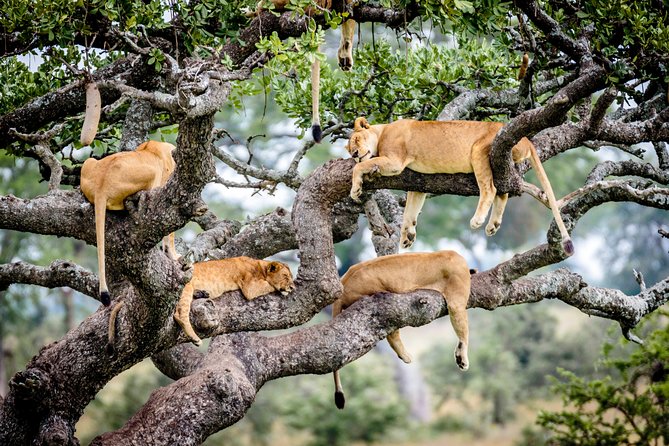
The maximum group size is seven people. That is small enough to keep the vehicle social without turning every wildlife sighting into a crowd. It also gives you a better chance of getting a window seat, although you should confirm the seating plan.
The pop-up roof is one of the most useful features. You can stand for a wider view and sit down quickly when the road becomes rough. Power adapters are supplied, but bring a portable battery if photography is important to you.
The safari includes a guide and cook. Meals are covered for all six days, with breakfast, lunch, and dinner listed. The information does not describe the menu, so tell the operator about dietary needs before arrival rather than waiting until the first meal.
The experience suits people who want comfort without booking a high-end private lodge at every stop. It is less suited to anyone who dislikes long drives, early starts, or changing accommodation.
Practical details that affect your decision
Pickup is available, and the activity begins and ends in Arusha or Moshi. The stated operating hours run from 3:00 AM to 11:30 PM every day, which reflects the early starts rather than a promise that your exact safari runs across that full span.
Confirmation is provided at booking. Service animals are allowed, and the activity is listed as suitable for most people. Near public transportation is also listed, though the safari itself depends mainly on the included private vehicle.
The cancellation terms are strict close to departure. Cancel at least six full days before the start for a full refund. Cancellation two to six days before the start receives 50 percent, while cancellation within two days receives no refund. Changes are not accepted inside those cutoffs.
The six supplied ratings produce an overall score of 4.7. The strongest themes are organization, flexible communication, airport handling, and guide care. Specific staff praised in past trips include Goodluck, Adam, and Julius, while Gloria and Frazier handled planning and date changes for other bookings. I would treat that as a sign of an established operating team, not a guarantee of who you will meet.
Who should book this safari
I would recommend this trip if you want the classic northern Tanzania circuit in one carefully arranged package. It suits first-time safari visitors who want Tarangire, Serengeti, and Ngorongoro without arranging vehicles, meals, camps, park fees, and transfers separately.
It is also a good match for couples or small groups who value a private vehicle and want the guide to adjust the day around wildlife sightings. The maximum of seven keeps the trip personal enough for conversation and questions.
You should think twice if your main goal is a guaranteed migration river crossing. The migration moves, and this route does not promise a precise location or crossing. Ask for seasonal guidance and current herd positions before booking.
You should also compare the price against the exact lodging. At this level, the vehicle, meals, park access, and private arrangement provide real value, but accommodation names and standards matter greatly.
Should you book it?
Book this safari if you want broad coverage, solid logistics, and several full wildlife days rather than a rushed checklist. The best parts are the elephant country of Tarangire, the extended central Serengeti time, and the early crater descent.
Before you commit, get three details in writing: the confirmed camp list, the expected guide, and the likely Serengeti migration area for your dates. If those answers match your budget and comfort needs, this is a well-rounded way to see northern Tanzania in six days.
FAQ
Where does the safari start and finish?
The safari starts in Arusha, Tanzania, and can start or end in Arusha or Moshi. The activity ends back at the meeting point, with airport pickup and drop-off included.
What parks are included?
The route includes Tarangire National Park, Serengeti National Park, the Ngorongoro Conservation Area, and Ngorongoro Crater. The route also passes by Lake Manyara.
How large is the group?
The maximum group size is seven travelers. The vehicle has six window seats.
What vehicle is used?
You ride in a Toyota Landcruiser 4×4 safari vehicle with a pop-up roof and power adapters.
Are meals and accommodation included?
Yes. Breakfast, lunch, and dinner are included for six days. Accommodation before, during, and after the safari is also included, along with bottled water.
What is excluded from the price?
Flights, visas, airport taxes, travel and health insurance, personal expenses, gratuities, extra nights, and extra activities are not included. Yellow Fever vaccination is listed as compulsory for travel to Tanzania.
More migration safaris from Arusha
- 8 Days Great Wildebeest Calving Migration Safari from Arusha
★ 5.0 · 254 reviews - 10-Day Serengeti Wildebeest Migration Safari from Arusha
★ 5.0 · 218 reviews - 8 Day Spectacular Migration Serengeti mid -Range Tanzania Safari
★ 5.0 · 161 reviews - 9-Day Serengeti Migration Footsteps Tanzania Safari
★ 5.0 · 96 reviews
More Serengeti safaris from Arusha
- 5-Day Highlights mid-Range Crater, Serengeti, Tarangire
★ 5.0 · 296 reviews - Private 6-Day Tarangire Manyara Crater and Serengeti with Mid-Range Lodges
★ 5.0 · 238 reviews - 5 Days Camping Tarangire, Serengeti & Ngorongoro crater & Visiting Maasai
★ 5.0 · 229 reviews - 4 Days Join Group tour Tarangire Serengeti and Ngorongoro crater
★ 5.0 · 219 reviews
Just added in Arusha
- 4 Days Private Midrange Lodge Safari to Serengeti & Ngorongoro★ 5.0 · 4 reviews
- Extraordinary Hot air Bolloon ride in Serengeti | BURIGI CHATO SAFARIS CO L.T.D★ 5.0 · 6 reviews
- 3 days leopard safaris★ 5.0 · 4 reviews
- 8 Days Serengeti Migration safari★ 5.0 · 11 reviews
- tarangire, ngorongoro & lake manyara park 3 days private tour★ 5.0 · 11 reviews
- tarangire & ngorongoro 2 days tour★ 5.0 · 14 reviews
- Mt. Kilimanjaro: Shira plateau to Cathedral point 3872m Day hike★ 5.0 · 7 reviews
- serengeti, ngorongoro & tarangire 4 days private tour★ 5.0 · 18 reviews
Wildebeest Migration Safaris, compared.
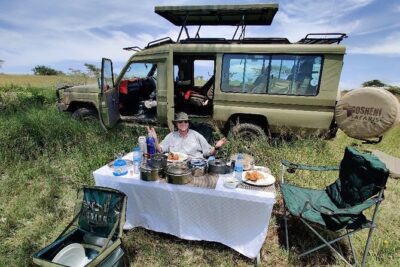
8 Days Great Wildebeest Calving Migration Safari from Arusha
Read our review →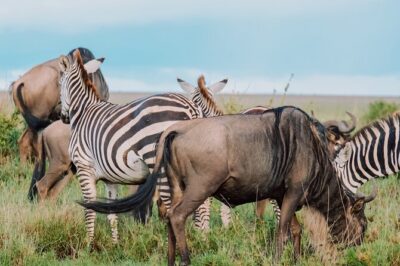
10-Day Serengeti Wildebeest Migration Safari from Arusha
Read our review →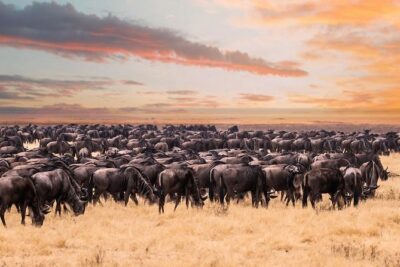
8 Day Spectacular Migration Serengeti mid -Range Tanzania Safari
Read our review →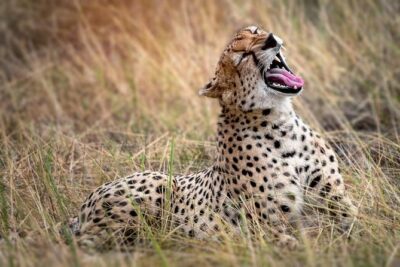
9-Day Serengeti Migration Footsteps Tanzania Safari
Read our review →
Private 6-Day Great Migration Ndutu Serengeti Safari Tour
Read our review →
4 Day Great Migration Safari Serengeti & Ngorongoro Crater
Read our review →Browse the lists this tour appears in