
Reviewed · SAFARI TOURS
9 Days – Best of Tanzania Safari
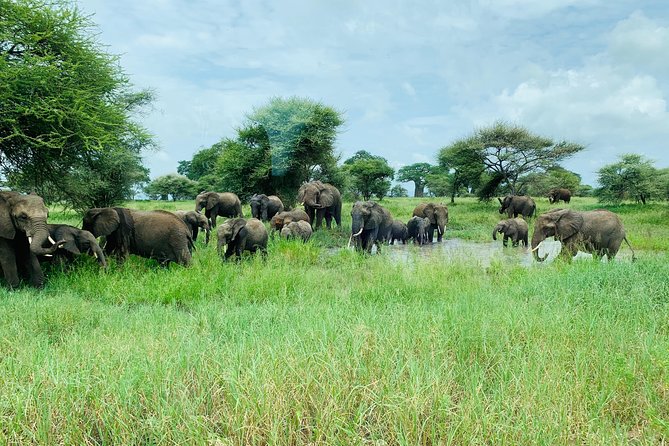
The big draw here is the Northern Circuit in one long sweep: Tarangire, Lake Manyara, Ngorongoro Crater, Ndutu, and the Serengeti. You move by private 4×4 with an open roof, so wildlife viewing is the main event rather than a side trip from a fixed resort.
I like the route’s variety. You get elephant country at Tarangire, a compact wildlife park at Lake Manyara, the remarkable animal concentration of Ngorongoro, and several days in the Serengeti. I also like that the price includes a private vehicle, park fees, lodging, meals, bottled water, and an air-conditioned vehicle. The main consideration is the pace: nine days cover a lot of ground, and some drives can feel long.
Key points to know before booking
- Private 4×4 safari: Your group has its own vehicle, rather than sharing every game drive with strangers.
- Five major wildlife areas: The route includes Tarangire, Lake Manyara, Ngorongoro Crater, Lake Ndutu, and Serengeti National Park.
- Best for migration planning: Ndutu is most useful from December through April, while northern Serengeti sightings are linked to the July through October period.
- Mixed comfort lodging: Expect a combination of hotels, tented lodges, and tented camps, all with private bathrooms.
- Serengeti time matters: Days 7 and 8 give you proper game-drive time in the central and northern parts of the park.
- Some costs remain outside the package: International and domestic flights, visas, alcohol, laundry, phone calls, and personal purchases are not included.
Why this route works for a first Tanzania safari
Tanzania’s Northern Circuit is popular for a good reason: the parks are different enough to keep each day fresh, yet close enough to combine into one strong itinerary. This trip does not ask you to choose between elephants, crater wildlife, migration country, and the Serengeti. It gives you a sample of each.
The private format is especially useful. Your group can travel in its own vehicle, stop for game viewing, and keep the trip centered on your interests. The open roof helps you look out in every direction, while air conditioning matters during long transfers and warm afternoons.
The route is also built around two different migration windows. Ndutu is at its strongest from December through April, with February often associated with wildebeest calving. The northern Serengeti is more closely tied to July through October, when large herds move through the Serengeti and toward the Masai Mara ecosystem. You should not assume both areas will offer peak migration at the same time. Your travel dates matter greatly.
Other park itineraries that start in Kilimanjaro:
- Great Migration Safari In Tanzania
★ 5.0 · 71 reviews - 6 Days Tanzania Classic Safari
★ 5.0 · 52 reviews - 5 Days Private Tarangire, Serengeti, Ngorongoro, Manyara Safaris
★ 5.0 · 17 reviews
Day 1: A gentle arrival in Arusha
The first day is simple and useful. You are met at Kilimanjaro International Airport and driven to your chosen hotel in Arusha. The driver guide introduces you to the city and helps you settle in before the safari begins.
That overnight stop is more than a formality. It gives you a chance to recover from your flight and begin the park circuit the following morning. The stated meeting point for the safari is Arusha, with an 8:00 am start.
Day 2: Elephants and open country in Tarangire
The first park is Tarangire, reached by an early departure from Arusha. You arrive around midday for lunch, then head out for an afternoon game drive.
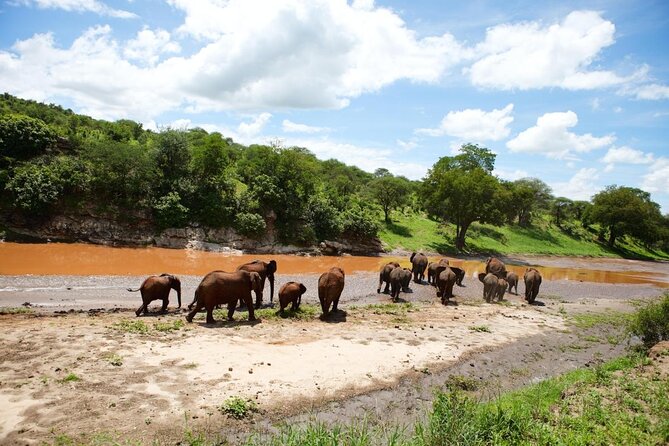
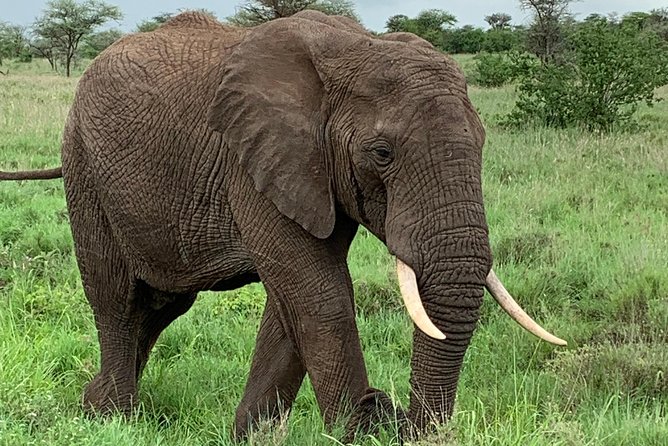
Tarangire is famous for elephants, and the park’s nickname, the Elephant Playground, tells you what to expect. You may also see lions, cheetahs, leopards, zebras, wildebeest, buffalo, and several kinds of antelope. Birdlife is another strong point, making this a good beginning if you enjoy identifying species beyond the large mammals.
The timing is sensible. An afternoon drive lets you arrive, eat, and still get several hours in the park. The tradeoff is that you have limited time on this first day, so Tarangire works more as an introduction than a full exploration.
Day 3: Lake Manyara’s compact mix of wildlife
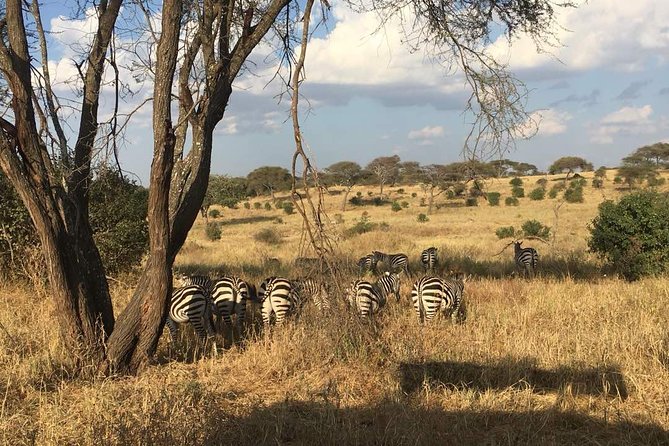
After breakfast, you leave Tarangire with a picnic lunch and make the short drive to Lake Manyara National Park. The park sits below the Great Rift Valley Escarpment and combines open plains, acacia woodland, and the shallow alkaline lake.
This is a different kind of safari setting. You may see buffalo, elephants, giraffes, impalas, hippos, and a wide range of birds. The park is also associated with tree-climbing lions, although no wildlife sighting is guaranteed. Lake Manyara itself adds a scenic change after Tarangire’s drier, elephant-focused country.
A picnic lunch keeps the day moving, but it also means less comfort than a lodge meal. That is a normal tradeoff on a game-drive day. The itinerary text is cut off in places, so you should confirm the exact overnight location and the full sequence of the Lake Manyara day before paying.
Other safaris people book out of Kilimanjaro:
- 4 Days Tanzania Private Safari | Serengeti , Ngorongoro & Tarangire Safari
★ 5.0 · 16 reviews - 6 Days Big Five Tanzania Safari
★ 5.0 · 15 reviews - 7 Day Grand Tanzania Safari
★ 5.0 · 13 reviews - 6 Days 5 Nights lodge safari Tarangire, Manyara, Serengeti & Ngorongoro Crater
★ 4.5 · 10 reviews
Day 4: Ngorongoro Crater’s concentrated wildlife
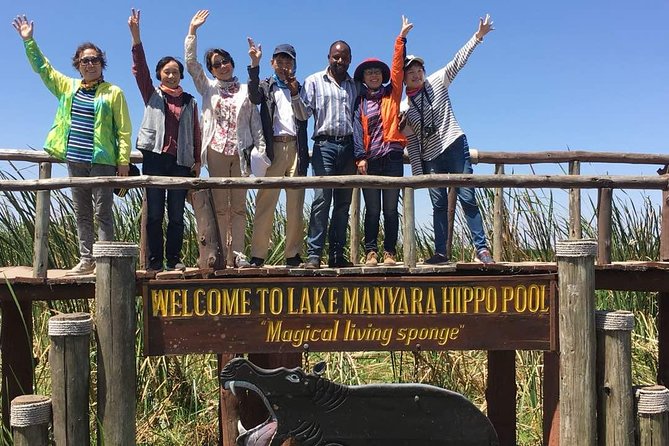
Ngorongoro is one of the strongest sections of the trip. You descend about 600 meters into the crater for a game drive inside a World Heritage site surrounded by walls roughly 2,000 feet high.
The crater’s appeal is concentration. A permanent population of more than 30,000 animals lives in the crater, including lions, elephants, zebras, hippos, flamingos, jackals, antelopes, and many birds. The rare black rhino is also found here. With good luck, you could see all of the Big Five during one game drive.
This is a place where an early start pays off. The morning light is pleasant, and you have a better chance of seeing animals active before the heat builds. The drawback is that Ngorongoro can feel busy compared with the more open sections of the Serengeti. Still, its enclosed setting and high animal numbers make it one of the most efficient wildlife days on the route.
Days 5 and 6: Ndutu during the calving season
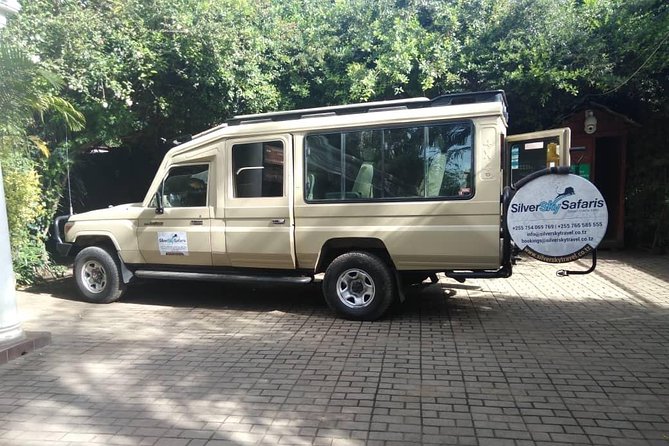
After Ngorongoro, you head toward Lake Ndutu, part of the southern Serengeti ecosystem within the Ngorongoro Conservation Area. The lake is alkaline, but its water is used by local wildlife, and the surrounding area includes short-grass plains, woodland, swamps, and soda lakes.
You arrive around lunchtime and take an afternoon drive. The next day is a full-day exploration of Ndutu, giving this area more attention than a simple pass-through stop.
Timing is crucial here. From December through April, large numbers of wildebeest usually gather on the short grass plains. Around February, calving often lasts about three weeks. Young wildebeest can run soon after birth, but the open grass leaves them exposed to predators. That combination of newborn animals, large herds, and predator activity is the reason many people plan a safari around Ndutu.
You may also see zebra, elephants, birds, and resident wildlife outside the migration herds. I like the two-night structure because it reduces the pressure to find everything in one afternoon. You have a full day to watch animal behavior rather than rushing from one sighting to the next.
The practical warning is seasonal. Ndutu’s main attraction is not equally strong all year. If you visit outside December through April, you can still see wildlife, but you should not book this route expecting the famous calving spectacle.
Day 7: Moving into the central Serengeti
After breakfast, the route continues toward the central Serengeti and the Seronera area. This section is known for the Seronera River, which attracts wildlife and supports a broad mix of species.
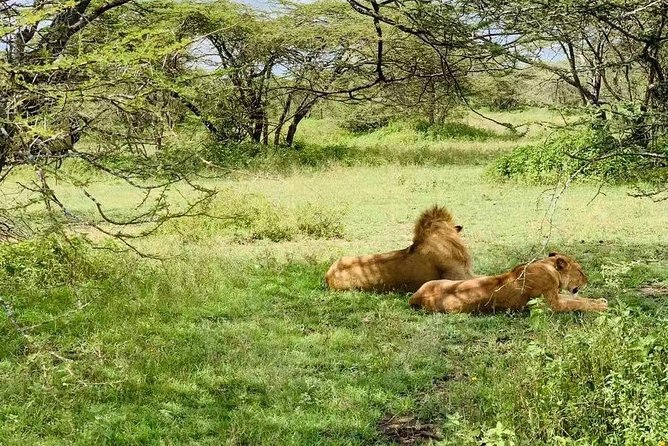
You arrive around lunchtime and take an afternoon game drive. The central Serengeti is a useful base because it offers more than one signature animal or one short seasonal event. Lions, elephants, cheetahs, leopards, zebras, wildebeest, and antelope may all be part of the day, depending on conditions and luck.
The transfer from Ndutu to central Serengeti can be tiring. You are not simply changing hotels. You are crossing a large park, often over rough roads, while also trying to fit in wildlife viewing. That is the price of seeing several parts of the ecosystem in one trip.
Day 8: A full Serengeti day near Wagakuria
The final full day is devoted to the Serengeti, with a game drive in the Wagakuria area. The itinerary points to high numbers of resident wildlife and lion prides that can reach about 30 animals.
A full day here is valuable. You are not limited to a morning drive before a transfer or an afternoon outing after lunch. You can spend more time observing a pride, waiting near a promising area, or following the changing activity of the plains.
The migration note deserves careful attention. July through October is generally the preferred period for seeing large herds in the northern Serengeti, while December through April is the key period for Ndutu. Ask the operator to match your exact dates with the most useful section of the route. The safari includes both regions, but seasonal wildlife movement cannot be guaranteed.
Day 9: One last morning before the flight
You begin with an early morning game drive in the Serengeti. This is a smart final outing because animals may be active after a night hunt or before retreating from the rising heat.
You return for a hot breakfast, then transfer to Seronera airstrip for a flight to Kilimanjaro. The flight is not included in the package, so you need to budget for it separately and confirm the schedule before booking. The transfer is also a reminder that the safari ends in the Serengeti, not back in Arusha by road.
Lodging, meals, and comfort on the road
This is described as a comfort-category safari, not a luxury lodge circuit. You stay in a mix of hotels, tented lodges, and tented camps with private bathrooms. That arrangement gives you a closer connection to the parks while keeping basic personal comfort in place.
The package includes accommodation, bottled water, an air-conditioned vehicle, onboard WiFi, park fees, and taxes. It also lists dinner eight times, lunch eight times, and breakfast ten times. Those numbers do not line up neatly with a nine-day itinerary, so I would ask for the exact lodge list and meal schedule in writing.
Alcohol is excluded. So are laundry, phone calls, visas, flights, and other personal costs. These exclusions are normal for a safari, but the flight to Kilimanjaro can be a meaningful extra expense. Add it to your budget rather than treating the advertised price as the final total.
Is $4,000 per person good value?
At $4,000 per person, the value depends on what is included in your group’s final arrangement. A private vehicle over nine days, multiple park fees, several types of lodging, meals, bottled water, and a driver guide add up quickly in Tanzania. For a private Northern Circuit trip, the package has a substantial set of inclusions.
The strongest value comes from the route itself. You are not paying for one park and a short game drive. You are covering five major wildlife areas, including two locations that matter for different stages of the migration.
The weaker point is that flights and visas are outside the price. The itinerary also involves long transfers, so you are paying for access to a wide range of parks as much as for time sitting in one location. If your priority is a slow, luxurious stay at one lodge, this is not the right structure. If you want variety and a private vehicle, the price is easier to justify.
Who will enjoy this safari most
I would suggest this trip to a first-time Tanzania visitor who wants the major Northern Circuit parks without arranging separate transport and lodging. It also suits families or multi-generation groups, since the private vehicle gives your party more control than a shared safari.
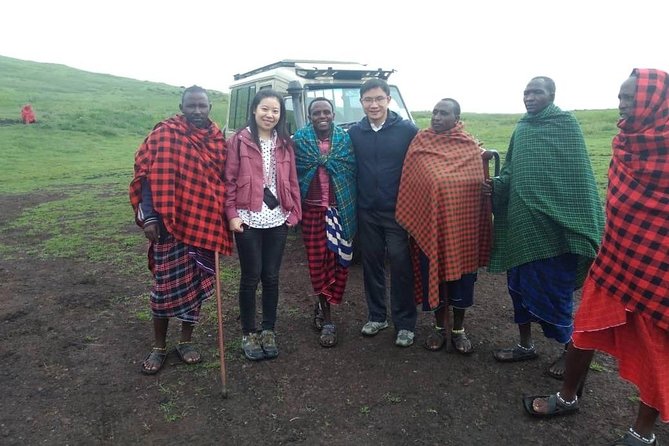
The trip works well for wildlife-focused visitors who can handle early starts, long drives, and changing accommodation. A named guide, Bariki, is associated with the experience, and direct guide support is important on a route this large. Ask who will lead your specific departure and how much experience that person has in Ndutu and the Serengeti.
You should think twice if you want a relaxed holiday with little time on the road. The itinerary is full, and the route stretches from Tarangire to northern Serengeti. The payoff is variety, but the cost is energy.
Should you book the Best of Tanzania Safari?
Book it if you want a private, park-heavy safari with the major Northern Circuit highlights in one nine-day journey. The combination of Tarangire elephants, Ngorongoro’s dense wildlife, Ndutu’s seasonal herds, and several Serengeti days gives you a strong first look at northern Tanzania.
Before committing, confirm the exact lodging names, the flight from Seronera to Kilimanjaro, the meal count, and the travel dates for your preferred migration area. If those details fit your budget and you are comfortable with long transfers, this is a well-rounded choice. If you prefer fewer moves and more time at one camp, choose a slower itinerary instead.
FAQ
Where does the safari start?
The stated meeting point is Arusha, Tanzania, with an 8:00 am start. On the first day, airport pickup is offered from Kilimanjaro International Airport, followed by transfer to Arusha.
Is this a private safari?
Yes. This is a private tour, and only your group participates. A private 4×4 safari vehicle is provided for the game drives and transfers.
Which national parks and wildlife areas are included?
The route includes Tarangire National Park, Lake Manyara National Park, Ngorongoro Crater, the Lake Ndutu area, and Serengeti National Park.
Are meals and accommodation included?
Yes. Accommodation and meals are included. The package lists dinner, lunch, and breakfast, but the stated meal counts should be confirmed because they do not align perfectly with the nine-day schedule.
Are flights included?
No. Flights are excluded, including the flight from Seronera airstrip to Kilimanjaro at the end of the safari.
What is the cancellation policy?
You can cancel up to 24 hours before the experience start time for a full refund. Changes or cancellations made less than 24 hours before the start are not accepted or refunded.
Just added in Kilimanjaro
- 5 days Serengeti Wildebeest Migration Safari★ 5.0 · 3 reviews
- Mount Kilimanjaro 7 Days – Machame Route★ 5.0 · 5 reviews
- 6 Days Machame Route Kilimanjaro Trekking★ 5.0 · 13 reviews
- Mount Kilimanjaro 6 days – Machame route★ 4.0 · 5 reviews
- Lemosho Route★ 5.0 · 21 reviews
- Tanzania Safari and Kilimanjaro Climb Multi-Day Experience★ 5.0 · 3 reviews
- Amazing 4 Days Safari 3 Nights: Tarangire, Ngorongoro, Serengeti★ 5.0 · 6 reviews
- 7 Day Safari in Tanzania National Parks★ 5.0 · 5 reviews
Safari Tours, compared.
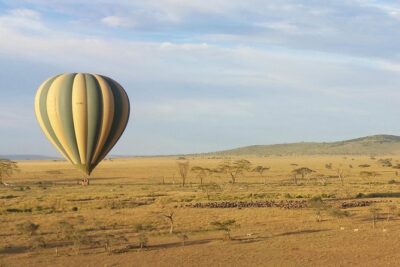
Serengeti Balloon Safari and authentic bush breakfast
Read our review →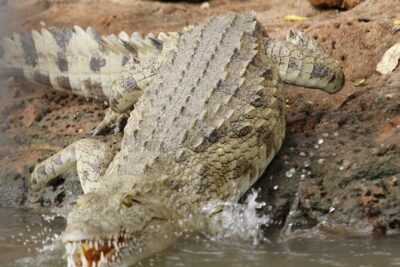
Mikumi Safari Day Trip with Flights and Meal
Read our review →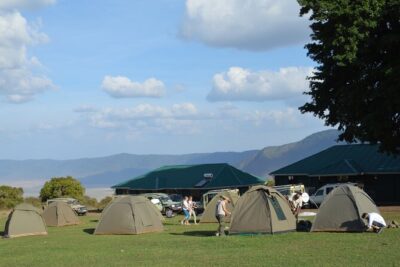
3 Days Serengeti & Ngorongoro Group Camping Safari
Read our review →
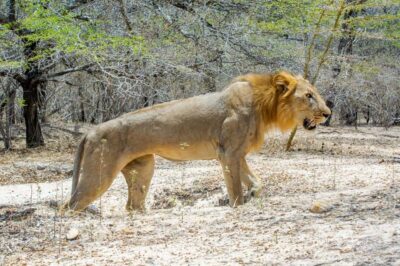
7-Day Premium Luxury Tanzania Safari All-Inclusive
Read our review →
Safari Blue Lagoon Trip with Snorkeling and Lunch
Read our review →
Browse the lists this tour appears in