
Reviewed · SAFARI TOURS
7 Day Safari in Tanzania National Parks
The best part of this safari is its range. In seven days, you move from an armed-ranger bush walk in Arusha National Park to huge elephant country in Tarangire, the animal-packed Ngorongoro Crater, and several full days in the Serengeti. That gives you a far better chance of seeing the Big Five than a quick park-hopping trip.
I like the private format, since your group can focus on the animals and pace that matter most to you. I also like the practical setup: a new Land Cruiser, bottled drinks, binoculars, park fees, full-board meals, and air ambulance coverage are included. The main drawback is the price, $4,802 per person, and the amount of time spent moving between parks. This is a serious safari investment, not a quick add-on to a Kilimanjaro trip.
Key points to know before you book
- Seven days cover four major parks and preserves: Arusha National Park, Tarangire, Ngorongoro Conservation Area, and Serengeti National Park.
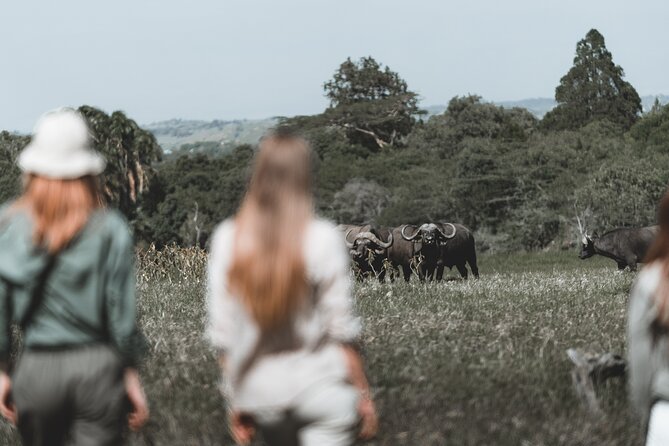
- Arusha includes a 1.5-hour guided bush walk: You walk with an armed ranger before continuing by Land Cruiser.
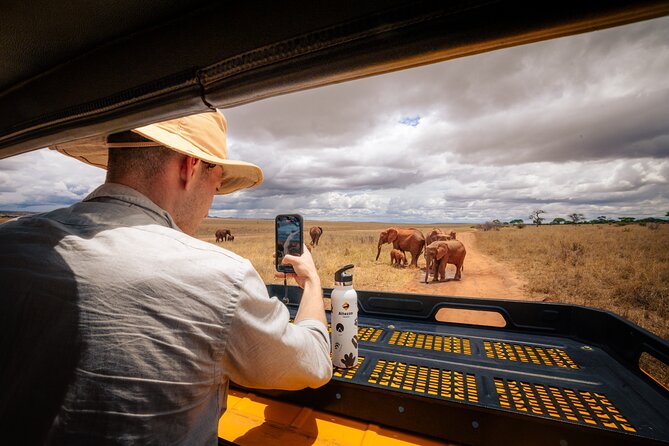
- Tarangire gets two days: This gives you time to look beyond elephants for gerenuks, oryx, hyraxes, and more than 550 bird species.
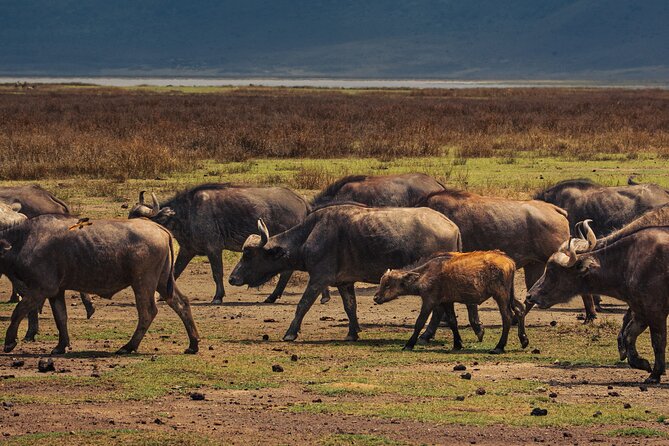
- Ngorongoro is the most concentrated wildlife stop: A half-hour descent brings you into a crater filled with animals.
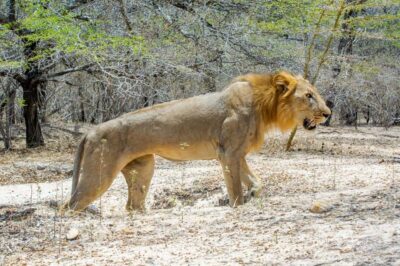
- Serengeti receives three days: You have time for central Serengeti, Seronera, kopjes, lions, elephants, cheetahs, and the famous Simba Rock.
- The price includes major safari costs: Lodging, full-board meals, park and concession fees, drinks in the vehicle, Wi-Fi where available, and medical support are covered.
Why seven days works well in Northern Tanzania
A safari can feel rushed when every morning begins with a new departure and every evening ends at a different camp. This trip gives you a little breathing room, especially in Tarangire and the Serengeti. The extra time matters because wildlife does not follow a timetable. A quiet morning can turn into a lion sighting or a close elephant encounter without warning.
The route also gives you four distinct settings. Arusha National Park brings walking and Mount Meru views. Tarangire is known for its elephants, dry-country animals, and excellent bird watching. Ngorongoro gives you a compact wildlife experience inside an ancient volcanic crater. Serengeti then opens things up with broad plains and more time to search.
Your safari is private, so only your own group participates. That is useful when one person wants to spend twenty minutes watching lions while another prefers to move on in search of a leopard. It also gives you more control over breaks, photography, and the rhythm of each game drive.
The supplied cost is $4,802 per person. That is not a bargain-basement safari, but it covers many expenses that can otherwise appear as unpleasant extras. You receive park entry and concession fees, accommodation, breakfast, lunch, dinner, bottled water, soft drinks, hot coffee and tea, a private vehicle, and a professional English-speaking guide.
The included AMREF Flying Doctors air ambulance service and vehicle medical kit add a layer of reassurance in remote areas. Free Wi-Fi is also provided, but the signal works in only 60 to 75 percent of the territory covered. Think of it as a useful extra, not a reliable connection for every evening.
Other park itineraries that start in Kilimanjaro:
- Great Migration Safari In Tanzania
★ 5.0 · 71 reviews - 6 Days Tanzania Classic Safari
★ 5.0 · 52 reviews - 5 Days Private Tarangire, Serengeti, Ngorongoro, Manyara Safaris
★ 5.0 · 17 reviews
Day 1: Walking among giraffes in Arusha National Park
Arusha National Park is a smart first stop because it introduces you to Tanzania without immediately putting you into a long, hard-driving schedule. The park includes Mount Meru, Momella Lakes, open savanna, and forested areas. It also allows walking safaris, which makes it different from the other parks on this route.
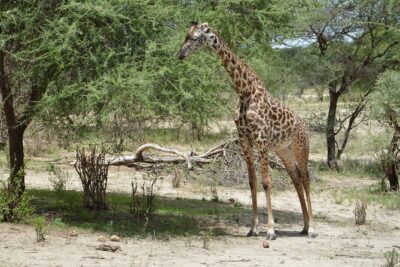
The day begins with a roughly 1.5-hour bush walk accompanied by an armed ranger. You may see giraffes, bushbuck, buffalo, and warthogs at a closer range than you can normally reach from a vehicle. Walking changes your sense of the park. You notice tracks, sounds, and smaller details that can pass unnoticed during a game drive.
After the walk, you continue in a Land Cruiser toward Momella Lakes and the surrounding park areas. A stop at the Ngurdoto Museum can help explain the local setting and the difficult relationship between people and wildlife. The planned stop lasts about six hours, so you should expect a full first day rather than a quick orientation visit.
This opening day is especially good for anyone who wants more than vehicle-based animal watching. The tradeoff is that it may feel less dramatic than the Serengeti. Arusha is valuable because it offers variety, not because it guarantees the biggest animal sightings.
Days 2 and 3: Tarangire for elephants, rare antelope, and birds
The first Tarangire day typically starts around 7:30 a.m., with pickup from your hotel or another agreed location. Arrival at the park is expected around 10 a.m., followed by the first game drive.
Tarangire is a strong choice for two days because it has its own character. The park is especially associated with elephants, but the animal list goes well beyond the obvious stars. You may see long-necked gerenuks and oryx, species not usually associated with the Serengeti. Hyraxes are another entertaining sight. These small animals are closely related to elephants, despite looking nothing like them.
The second day takes you into different parts of the park. That matters because repeating the same short loop can make a safari feel like a checklist. Here, your guide can adjust the route and continue looking for the animals you care about.
Bird watchers should pay close attention. Tarangire has more than 550 recorded bird species, and binoculars are supplied at one per vehicle. That is enough for casual shared viewing, though serious bird photographers may wish they had more time and their own equipment.
The six-hour daily schedule sounds moderate, but game drives can be tiring. You spend much of the day seated in the vehicle, often on uneven roads, with sun and dust part of the experience. Comfortable seats and a refrigerator help, and bottled water, soft drinks, coffee, and tea are provided.
Day 4: Descending into the Ngorongoro Crater
Ngorongoro Crater is the most concentrated wildlife setting on this route. The crater formed after a huge ancient volcano collapsed, leaving a broad enclosed area where large numbers of animals live close together. You descend for about half an hour through lush forest before reaching the crater floor.
This is the day when you are most likely to see many different animals in a compact area. The crater is a strong place to look for buffalo, lions, elephants, and other large mammals. Rhino sightings are possible but never something any safari can promise. The enclosed setting makes animal searching more focused, though it can also make the area feel busier than the open Serengeti.
After the morning game drive, you stop near Lake Magadi for a snack and rest. The picnic setting adds a welcome pause after the early drive and gives you time to take in the crater surroundings.
The main limitation is the short visit. A six-hour stop can show you a great deal, but it does not allow unlimited exploration. Roads and park rules shape the route, and you cannot simply leave the vehicle wherever you want. Still, Ngorongoro earns its place because it packs so much wildlife into one memorable setting.
Other safaris people book out of Kilimanjaro:
- 4 Days Tanzania Private Safari | Serengeti , Ngorongoro & Tarangire Safari
★ 5.0 · 16 reviews - 6 Days Big Five Tanzania Safari
★ 5.0 · 15 reviews - 7 Day Grand Tanzania Safari
★ 5.0 · 13 reviews - 6 Days 5 Nights lodge safari Tarangire, Manyara, Serengeti & Ngorongoro Crater
★ 4.5 · 10 reviews
Days 5 through 7: Three days in central Serengeti
Three days in central Serengeti are the heart of the trip. The transfer takes you toward Seronera, an important central area of the park. Your guide will search for the animals that interest you, from lions and elephants to cheetahs, leopards, and the smaller creatures often missed on a fast drive.
Around lunchtime, you can visit the Serengeti Visitor Center. A lunchbox is provided, and the center offers information about animal populations and the park’s story. Hyraxes can also be seen in this area. If you would rather rest, you can return to camp for lunch and a short nap before heading back out in the late afternoon.
That choice is useful. Safari days can begin early, and a midday break can make you more alert during the best light near sunset. On the other hand, staying out longer may give you a chance at an unexpected sighting. Ask your guide how the day is developing before deciding.
Your second central Serengeti day focuses on fresh searches. Lions that were resting one day may be hunting the next. Elephants may approach the vehicle, and a cheetah might be seen perched on top of a safari car, an unusual but possible sight described in the trip details. The point is not that every day delivers a major scene. It is that the same area can change quickly.
Look for the kopjes, the rounded volcanic rock formations scattered across the plains. They are striking in photographs and provide shade and high points for animals. Simba Rock is another planned highlight, identified as the inspiration for the rock scene in The Lion King. The pop-culture connection is fun, but the real attraction is seeing how animals use these isolated rock formations.
The final Serengeti day gives you another chance to explore areas you have not yet seen. The park is huge, and no three-day visit can cover it all. That is a benefit, not a failure. You are less likely to feel that you have exhausted the same small circuit.
By dinner, the plan is to reach your hotel in Arusha, with alternative drop-off points available on request. Because this is a long final day, confirm the exact hotel and drop-off arrangement before departure.
Your vehicle, guide, meals, and lodging
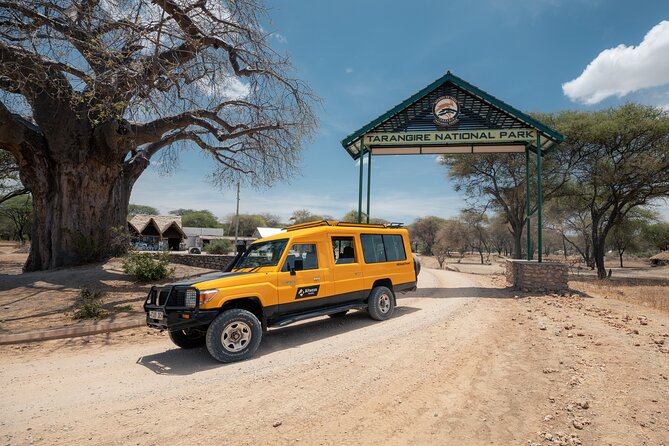
The safari uses a new Land Cruiser 4×4 with a pop-up roof, ergonomic seats, a refrigerator, and power sockets. The raised roof is important because it lets you stand or sit upright for wider views while keeping you inside the vehicle. The comfortable seats matter even more on long transfers and rough park roads.
One pair of binoculars is supplied per car. That works well for sharing a quick sighting, but you may want to bring your own if bird watching or distant animal viewing is a major goal.
Accommodation is in comfortable 3 to 4 star lodges named in the program, with full-board meals included. Drinks with meals cost extra, but drinks in the safari vehicle are included. Dietary needs can be accommodated, including vegetarian, vegan, pescatarian, halal, gluten-free, and lactose-free plans. Give those details when booking.
The guide can make or break a safari. The company assigns a certified English-speaking guide, and named guides praised in the supplied feedback include Daniel, Noel, Stephen, and Anold. Daniel was singled out for his care after a Kilimanjaro climb, while Noel was praised for a close lion encounter. Those details suggest that guide selection and animal-spotting effort are major strengths, but you should still confirm your assigned guide if that matters to you.
Who should book this safari?
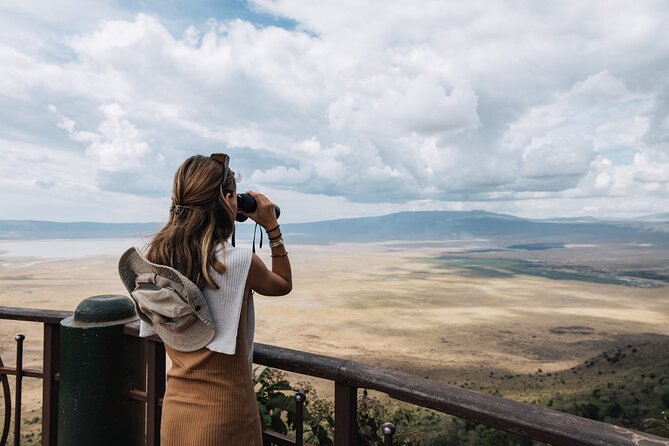
I would choose this trip if you want a broad first look at Northern Tanzania and prefer a private vehicle to a large group. It suits couples, families, and small groups that want time for photography, bird watching, or repeated searches for a particular animal.
It also works well after a Kilimanjaro climb. The route begins near Arusha, and the combination of mountain travel and safari creates a substantial Tanzania trip rather than a short park visit.
You should think twice if you dislike long drives, early starts, rough roads, or changing lodges. The safari is not suitable for people using special mobility aids. Remote hotels may lack the needed facilities, and the vehicles do not have special seating or storage for mobility equipment.
At $4,802 per person, the value depends on how much you use the inclusions. The cost is easier to justify if you want private touring, four major wildlife areas, full-board lodging, park fees, emergency support, and several days in the Serengeti. It is harder to justify if you only want a brief wildlife taste or would be happy with basic lodging.
Should you book it?
Book this safari if your priority is variety, a private guide, and a strong chance to see Northern Tanzania’s major wildlife areas in one trip. The two Tarangire days and three Serengeti days give the schedule a useful amount of time, while Arusha’s walking safari adds something different.
I would ask for the exact lodge names, confirm the final Arusha drop-off, and check which guide is assigned before paying. If you accept the high price and the driving involved, this is a well-rounded route with the practical costs clearly covered. Cancellation is free up to six full days before the start time, with reduced refunds closer to departure, so read those terms carefully before committing.
FAQ
How long is the safari?
The safari lasts approximately seven days.
Which national parks and protected areas are included?
The route includes Arusha National Park, Tarangire National Park, Ngorongoro Conservation Area and Crater, and Serengeti National Park.
Is this a private safari?
Yes. Only your own group participates in the activity.
What time does the safari start?
The stated start time is 7:30 a.m. Pickup is offered from your hotel or another agreed location.
Are park entrance fees included?
Yes. National park entry fees and concession fees for the full tour are included.
Are meals included?
Yes. The package includes six breakfasts, seven lunches, and seven dinners. Drinks with meals are extra, while bottled water, soft drinks, hot coffee, and tea are provided in the safari vehicle.
Is Wi-Fi available during the safari?
Free Wi-Fi is included, but signal is available in only 60 to 75 percent of the areas covered.
Can dietary requirements be accommodated?
Yes. Vegetarian, vegan, pescatarian, halal, gluten-free, lactose-free, and other meal preferences can be arranged if you provide the information when booking.
What happens if bad weather cancels the safari?
If poor weather causes cancellation, you will be offered a different date or a full refund.
Just added in Kilimanjaro
- 5 days Serengeti Wildebeest Migration Safari★ 5.0 · 3 reviews
- Mount Kilimanjaro 7 Days – Machame Route★ 5.0 · 5 reviews
- 6 Days Machame Route Kilimanjaro Trekking★ 5.0 · 13 reviews
- Mount Kilimanjaro 6 days – Machame route★ 4.0 · 5 reviews
- Lemosho Route★ 5.0 · 21 reviews
- Tanzania Safari and Kilimanjaro Climb Multi-Day Experience★ 5.0 · 3 reviews
- Amazing 4 Days Safari 3 Nights: Tarangire, Ngorongoro, Serengeti★ 5.0 · 6 reviews
- 9 Days – Best of Tanzania Safari★ 5.0 · 4 reviews
Safari Tours, compared.
Serengeti Balloon Safari and authentic bush breakfast
Read our review →
Mikumi Safari Day Trip with Flights and Meal
Read our review →
3 Days Serengeti & Ngorongoro Group Camping Safari
Read our review →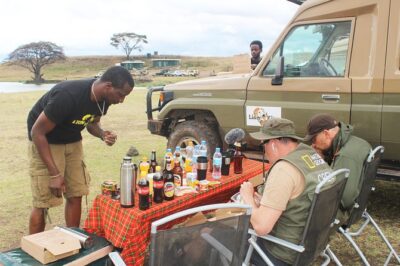
7-Day Premium Luxury Tanzania Safari All-Inclusive
Read our review →
Safari Blue Lagoon Trip with Snorkeling and Lunch
Read our review →
Browse the lists this tour appears in