
Reviewed · SAFARI TOURS
Kilimanjaro Climb & Safari – Lemosho Route – 13 Day
Kilimanjaro’s Lemosho Route gives you the mountain in chapters: rainforest, open moorland, volcanic ridges, giant senecios, icy high camp, and the final push to Uhuru Peak. Tusker Trail adds a long-established operation, custom walk-in tents, trained high-altitude first responders, and cooks trained at the Culinary Institute of America.
I especially like the careful acclimatization pattern and the serious attention to food and crew welfare. The farm-to-table meals matter more than they may sound when you are hiking for hours at altitude. The main drawback is price: at $8,188 per person, this is a premium climb, and gear rental costs extra.
Key points to know before booking
- Lemosho gives you a gradual approach: You start in Kilimanjaro’s western rainforest, then cross the Shira Plateau before joining the mountain’s busiest upper sections.
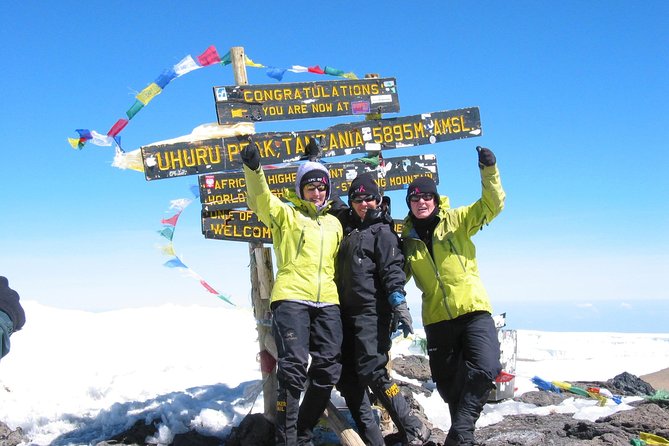
- The summit day is demanding: You start before sunrise, reach the crater rim around midday, and continue toward Uhuru Peak at 19,341 feet.
- Food is a major part of the setup: Tusker provides breakfast, lunch, and dinner during the climb, with mountain cooks and hot meals along the route.
- Safety is built into the operation: The company uses high-altitude first responder guides and reports a 99 percent summit success rate.
- You get a real recovery night: After the mountain, you return to Bristol Cottages Hotel in Moshi before the safari portion.
- Safari plans need checking: The final days mention Lake Manyara, other northern parks, and optional onward flights, so confirm exactly what your booking includes.
Why Lemosho is a smart route for Kilimanjaro
The Lemosho Route is a good fit if you want more than a quick climb to the top. It begins on the western side of Mount Kilimanjaro and gives your body several days to adjust before the highest sections.
That gradual rise is important. Kilimanjaro is not a technical climb in the usual rock-climbing sense, but altitude makes the mountain serious. The route reaches Shira Plateau at about 11,560 feet, then takes you higher to Lava Tower at 15,200 feet before dropping into Barranco Canyon. You gain altitude, lose some of it, and gain it again. That rhythm helps make the climb more manageable.
Tusker Trail has operated since 1977, founded by Eddie Frank. The company says Eddie has climbed Kilimanjaro 54 times and helped shape the route support, camp setup, food, and safety systems. The operation also says it pays its crew at a high level and provides pensions and medical benefits, while supporting a local Lions Club project that includes a school for deaf children.
Those policies do not remove the physical challenge, but they help explain the high price. You are paying for a large support structure, not just a guide and a tent.
Other routes up the mountain from Moshi:
- Kilimanjaro climb by Lemosho Route (7-day)
★ 5.0 · 651 reviews - Kilimanjaro climb, Machame Route (7-day)
★ 5.0 · 262 reviews - Kilimanjaro Climbing Lemosho Route 8 Days.
★ 5.0 · 186 reviews
Days 1 and 2: Moshi, gear checks, and a last town meal
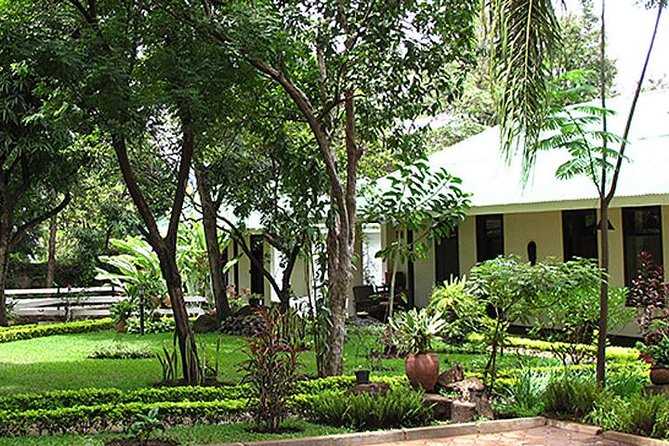
You arrive near Kilimanjaro and transfer to Bristol Cottages Hotel in Moshi. The first night is deliberately easy. You eat, shower, sleep, and get your head around the days ahead.
The second day is practical. You meet your mountain guides, attend the climb orientation, and complete a final equipment check. This is the moment to be honest about boots, layers, gloves, sleeping gear, and anything that feels wrong. A small problem in Moshi is far easier to fix than the same problem above the tree line.
Lunch in Moshi gives you a short taste of town life before the mountain takes over. You also visit the local market with a guide. That is a useful touch because it adds a little connection to daily life in northern Tanzania instead of making the trip only about reaching a summit.
The start time is listed as midnight, which may be a booking-system placeholder rather than your actual arrival time. Confirm the schedule directly with Tusker before you travel.
Day 3: Lemosho forest and Mti Mkubwa Camp
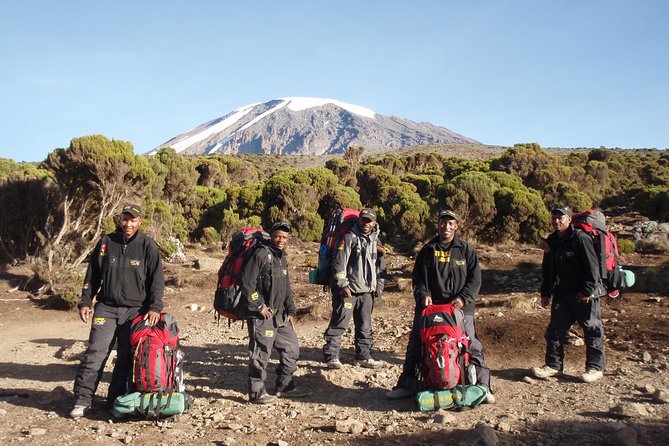
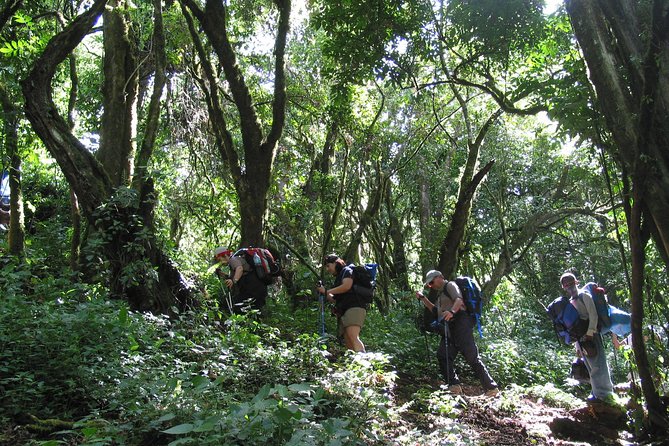
The climb begins at Londorossi on the western slopes. The trail enters the Lemosho Glades and then runs through montane forest, where tall trees block much of the sky.
This is one of the most enjoyable days because the route feels wild and cool. You may hear colobus monkeys high in the branches and spot Hartlaub’s turaco, a striking bird with purple plumage. The company uses a field guide written by Eddie and Amy Frank to help identify plants along the way.
The first hiking day lasts about three to four hours and ends at Tusker Camp near Mti Mkubwa. That short opening day is welcome. You are still adjusting to the climate, the walking pace, and the camp routine.
Day 4: Shira Plateau and the first big views
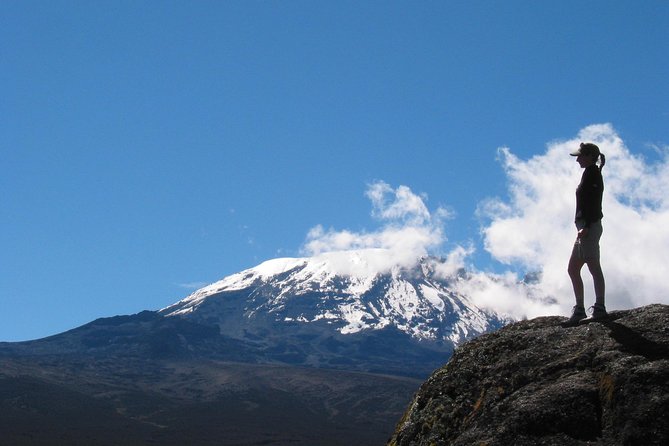
Day four is longer, at about eight hours. You leave the forest behind and climb through heath and moorland toward the Shira Plateau.
Shira is a volcanic caldera formed when one of Kilimanjaro’s original three peaks collapsed. The route reaches roughly 11,560 feet at the caldera edge, and you get your first clear view of Kibo, the highest cone.
This day gives you a sharp change in scenery. The trees disappear, the air feels thinner, and the mountain begins to look enormous. Lunch breaks the day into manageable sections, though eight hours on uneven ground will still test your legs.
You should not treat the altitude as a minor detail. The route is designed to help, but no itinerary can guarantee how your body will respond.
Other park itineraries that start in Moshi:
- Safari Serengeti And Ngorongoro
★ 5.0 · 288 reviews - Big Five Safari In Tanzania
★ 5.0 · 99 reviews - Unforgettable Tanzania Safari And Zanzibar Beach
★ 5.0 · 97 reviews - 8-Day Essence of Tanzania Safari – Luxury
★ 5.0 · 72 reviews
Day 5: Across Shira to Moir Camp
You cross the Shira Plateau toward Moir Camp, with about eight hours of walking. The route passes a huge lava flow and heads toward a gorge at the end of the plateau.
A hot lunch at Fisher Camp is a practical luxury. At this altitude, a warm meal and a proper pause can make the second half of the day feel far more realistic.
Moir Camp is remote and exposed compared with the forest camps. The reward is the sense that you are now well into the mountain, far from roads and ordinary routines. The tradeoff is comfort. You should expect basic mountain camping, even with Tusker’s custom walk-in tents and strong food service.
Day 6: Lava Tower, altitude practice, and Barranco
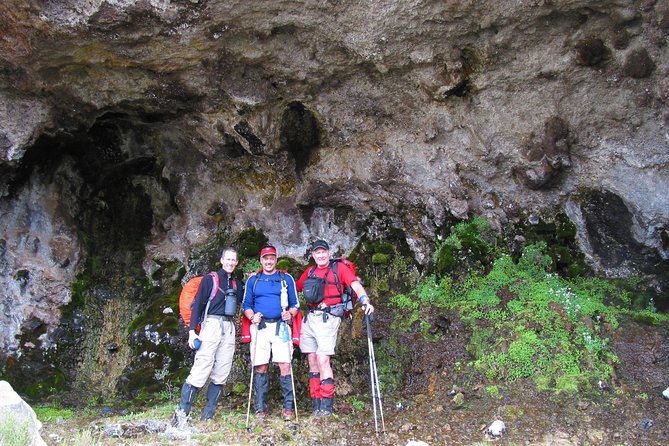
This is one of the most useful days for acclimatization. You climb toward Lava Tower at 15,200 feet, eat lunch near its base, and then descend about 2,000 feet into Barranco Canyon.
The climb to Lava Tower can feel hard because you are gaining height even if the day’s final camp is lower. That is the point. Your body gets time at a higher altitude, then you sleep lower.
The descent leads into a striking zone filled with giant senecios and lobelias. These plants give the upper mountain an almost prehistoric look without needing any extra entertainment.
Barranco Camp sits below the Barranco Wall. You can see the next morning’s challenge before dinner, which is either motivating or mildly rude, depending on your mood.
Day 7: Barranco Wall and Karanga Camp
The Barranco Wall is the first major physical obstacle. It is steep in places, but the itinerary describes it as a climb rather than a technical rock route. You need balance, patience, and a willingness to move at the guide’s pace.
After the wall, the trail drops sharply into Karanga Valley before rising again to Karanga Camp. The walking time is about five hours, shorter than the previous two days, but the terrain and altitude keep it demanding.
Kibo remains in view for much of the day. That constant sight of the summit cone helps you understand the scale of the final push. It also makes the climb feel real in a way that maps and elevation charts do not.
Day 8: Barafu High Camp before the summit
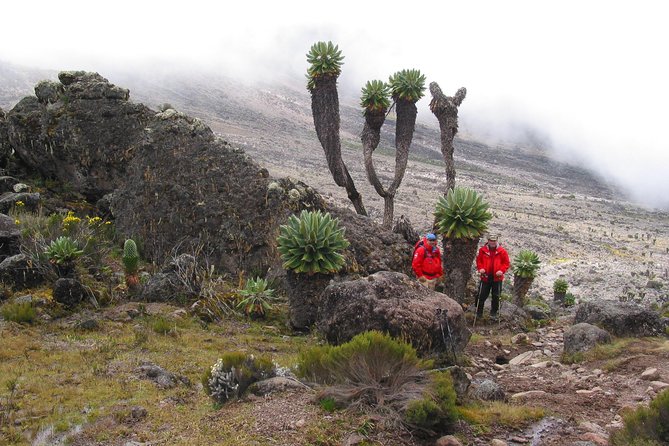
The route to Barafu takes about four hours over rocky ground. The pace slows as the air gets thin, and your guides should expect frequent rests.
Barafu means ice in Swahili, and the camp is cold and exposed. Mawenzi Peak rises behind you, often catching the warm light late in the day. The setting is dramatic, but this is not a place to linger outdoors for fun. You are there to eat, rest, organize summit clothing, and sleep before the hardest day.
Your main task is to conserve energy. Keep your equipment close, follow the meal plan, and use the available time to rest rather than wander around camp.
Day 9: Uhuru Peak and the optional crater camp
Summit day begins before sunrise. The ascent is steep and slow, with the crater rim reached around midday. From there, Uhuru Peak is about another hour.
At 19,341 feet, Uhuru Peak is the highest point in Africa. The views toward Mawenzi and the crater ice walls are the payoff, but the summit itself is only part of the challenge. You still have to descend.
The itinerary offers two options after reaching the summit. You may descend to Barafu Camp, or, if arranged, continue into the crater and camp below the summit for the night. Crater camping is a major extra experience, but it also means spending more time at extreme altitude. Ask Tusker exactly how this choice affects your schedule, safety plan, and price.
The listed hiking time is about seven hours, though summit day can feel longer because the effort is concentrated and the altitude is severe.
Days 10 and 11: Down to Millennium Camp and Moshi
The descent begins through loose scree. After about two hours, you reach Barafu for lunch, then continue to Millennium Camp.
This is still a full day, listed at about six hours. Your knees may notice the downhill more than your lungs did on the way up. Millennium Camp gives you a final night on the mountain and a chance to sleep before the last descent.
On day 11, you hike down to the national park gate, sign out, and take a short ride back to Bristol Cottages Hotel. The hot shower and cold drink are not small comforts after several days outside. A celebratory group dinner closes the climb and gives you time to reflect with the team.
Days 12 and 13: Lake Manyara and the safari add-on
The final portion shifts from mountain trekking to safari. Lake Manyara National Park is the named destination, with a lodge on or near the Rift Valley escarpment and views across the plains.
The schedule is less precise than the mountain section. It also refers to possible flights toward the Serengeti, Ngorongoro Crater, Tarangire, Lake Manyara, or Zanzibar. That suggests the safari portion may vary by option or arrangement.
Do not assume the $8,188 price covers every safari extension. Confirm the exact parks, nights, flights, lodge, transfers, and included park admissions before paying. The description lists admission tickets as free for the Lake Manyara days, but the wider safari details are not fully spelled out.
On the last day, your driver takes you from the lodge to the airport in time for your flight. If you choose a safari extension or Zanzibar, the onward plan changes.
Food, tents, guides, and crew support
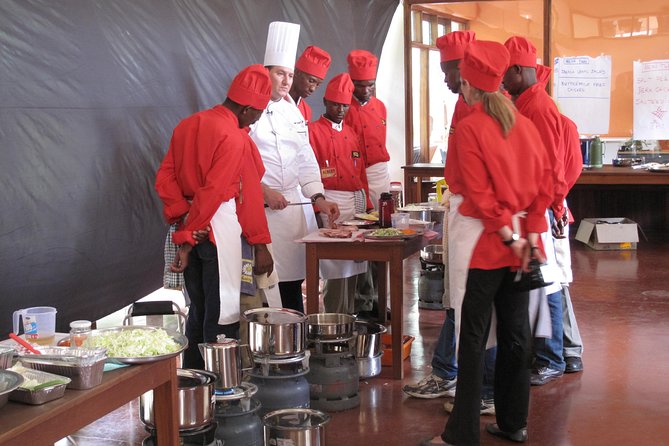
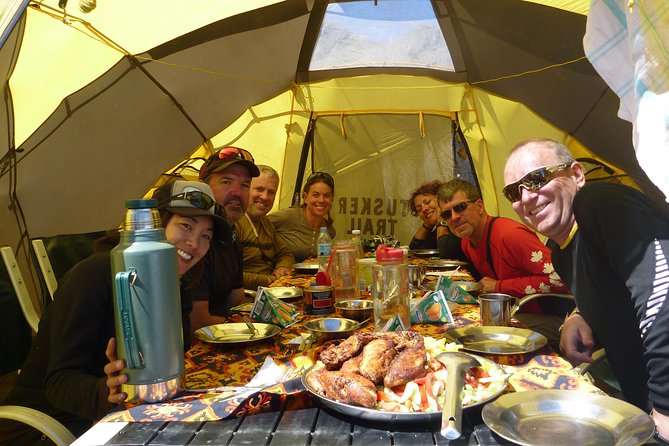
Food is one of Tusker’s strongest selling points. Breakfast, lunch, and dinner are included, and the company uses mountain cooks with Culinary Institute of America training. The food is described as farm-to-table cuisine, which means the operation is trying to provide more than basic trail calories.
That matters on a 13-day trip. You need regular meals, hot drinks, and food you can actually face at altitude. Several comments about the trip give special credit to the cooking, equipment quality, and careful camp support.
Tusker also uses custom walk-in tents rather than the smallest possible mountain shelters. That does not turn the climb into a hotel stay, but extra room is welcome when you are sorting layers, drying gear, or eating away from the wind.
The company reports a 99 percent summit success rate and uses high-altitude first responder guides. Treat that figure as a company-reported performance measure, not a promise. Your health, preparation, weather, and response to altitude still matter.
Is $8,188 a fair price?
This is expensive for Kilimanjaro. The value comes from the operation around the hike: several nights in Moshi, meals, mountain camps, guides, porters, safety support, custom tents, and a longer Lemosho schedule.
The price also reflects Tusker’s stated crew benefits and community support. If ethical treatment of the mountain workforce is important to you, that is a meaningful part of the decision.
Still, you should compare what is included. Climbing gear and clothing rental are extra, and the safari section may have optional costs. Ask for a written breakdown covering transfers, park fees, tips, flights, lodge nights, crater camping, and safari activities.
Who should book this climb?
I would look at this trip if you want a carefully supported, private climb and you value food, equipment, safety systems, and a gradual route. It suits people who are prepared for long walking days and cold nights, not people seeking a casual African holiday with a short mountain add-on.
The private format is useful if you want your group to climb together rather than join a large mixed party. Most people can participate according to the supplied information, but you should still discuss your fitness, medical needs, and altitude concerns with the operator.
The climb also works well if you want to add wildlife after the summit. Just get the safari details in writing, since the final two days are less clearly defined than the mountain itinerary.
Should you book Tusker Trail’s Lemosho climb?
Book it if you want a premium, well-supported Kilimanjaro program and can accept the high price. The route, food program, tents, guide training, and long record of operation give you solid reasons to pay more.
Skip it if you are mainly shopping for the lowest-cost summit attempt, or if you want a tightly defined safari package included without extra planning. Before booking, confirm the equipment list, rental fees, summit and crater-camp options, safari inclusions, and exact airport transfer plan.
Free cancellation is available up to 24 hours before the experience starts. Poor weather may lead to a different date or a full refund.
FAQ
How long is the Kilimanjaro and safari experience?
The experience lasts about 13 days. The first 11 days cover arrival, the climb, and the return to Moshi. The final two days are connected with the Lake Manyara safari portion and possible onward options.
What route does the climb use?
The climb uses the Lemosho Route, beginning on Kilimanjaro’s western slopes at Londorossi and crossing rainforest, Shira Plateau, Lava Tower, Barranco, Karanga, and Barafu before the summit.
What is the summit of Kilimanjaro called?
The summit is Uhuru Peak, the highest point in Africa. The itinerary gives its elevation as 19,341 feet.
Is the tour private?
Yes. The activity is described as a private tour, with only your group participating.
Are meals included?
Breakfast, lunch, and dinner are included during the listed program. The information specifies 12 breakfasts, 12 lunches, and 10 dinners.
Is climbing equipment included?
Climbing gear and clothing rental are not included. You must contact Tusker Trail for rental details and costs.
Where do you stay before and after the climb?
You stay at Bristol Cottages Hotel in Moshi before the climb and return there after descending from Kilimanjaro.
Can you camp in the crater?
The itinerary says you may choose to descend into the crater and camp for the night, or continue down to Barafu Camp. Confirm whether this option is available for your departure and whether it costs extra.
Is a safari included after the climb?
A safari portion is described, with Lake Manyara National Park named specifically. The itinerary also refers to possible trips toward Serengeti, Ngorongoro Crater, Tarangire, Lake Manyara, and Zanzibar, so confirm exactly what your booking includes.
What is the cancellation policy?
You can cancel at least 24 hours before the experience start time for a full refund. Cancellations or changes made less than 24 hours before the start are not accepted for a refund, and poor weather may lead to a new date or full refund.
More Kilimanjaro treks from Moshi
- Climbing Kilimanjaro – Machame Route
★ 5.0 · 170 reviews - Climbing Kilimanjaro through 7 days Machame Route
★ 5.0 · 151 reviews - Kilimanjaro climb, Lemosho Route (8-day)
★ 5.0 · 148 reviews - Kilimanjaro climb, Lemosho Route (6-day)
★ 5.0 · 129 reviews
More safaris from Moshi
- Great Migration Safari In Tanzania
★ 5.0 · 71 reviews - 6 Days 5 Night Safari
★ 5.0 · 57 reviews - 7-Day Magical Tanzania Safari -Premium High End Package
★ 5.0 · 53 reviews - 4-day Tanzania Safari
★ 5.0 · 53 reviews
Just added in Moshi
- Wildlife Extravaganza: Manyara, Tarangire & Ngorongoro in 3 Days★ 5.0 · 3 reviews
- West Kilimanjaro cycling Adventures★ 4.5 · 8 reviews
- machame route★ 5.0 · 16 reviews
- Kilimanjaro Climbing Umbwe Route★ 5.0 · 3 reviews
- Mt Kilimanjaro 6 days Marangu route hike★ 5.0 · 3 reviews
- Kilimanjaro Climb • Machame Route ~ 10 Day★ 5.0 · 6 reviews
- 3 Days Private E-Bike Tour in West Kilimanjaro★ 5.0 · 3 reviews
- Private Cycle to Kilimanjaro Bike Park Safari★ 5.0 · 6 reviews
Safari Tours, compared.
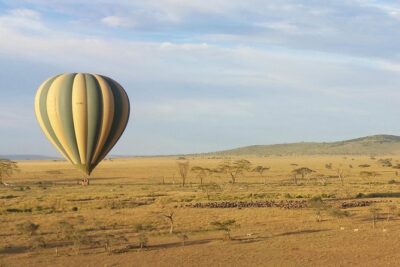
Serengeti Balloon Safari and authentic bush breakfast
Read our review →
Mikumi Safari Day Trip with Flights and Meal
Read our review →
3 Days Serengeti & Ngorongoro Group Camping Safari
Read our review →
7-Day Premium Luxury Tanzania Safari All-Inclusive
Read our review →
Safari Blue Lagoon Trip with Snorkeling and Lunch
Read our review →
Browse the lists this tour appears in