
Reviewed · KILIMANJARO TREKS
Climb Kilimanjaro – Marangu Route 8 Day Program
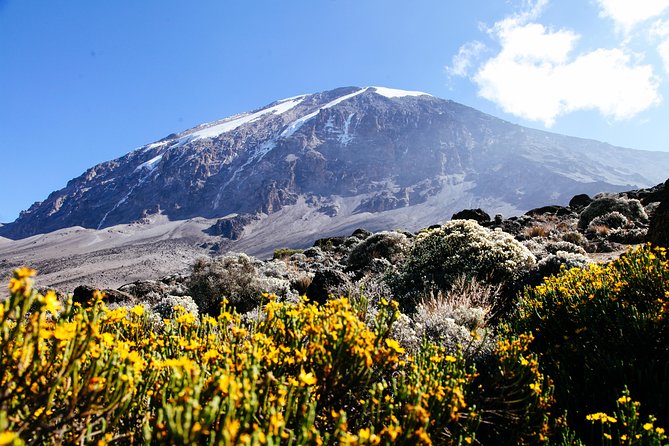
The Marangu Route gives you Kilimanjaro with a roof over your head each night. You hike through rainforest, heath, and alpine desert before making the early morning push to Uhuru Peak at 5,895 meters. It is called the tourist route for good reason: huts, running water at the lower camps, and a familiar trail make it the most comfortable route up the mountain.
I like the extra acclimatization day at Horombo, which gives your body more time to adjust before the summit attempt. I also like the practical setup: meals, park fees, mountain crew, boiled water, and transport are bundled into the $2,111 price. The catch is important: Marangu is the shortest and easiest route by distance, but that can attract people who are not ready for high altitude. The summit success rate is not automatically high.
Key points before you book
- Eight days gives you a better rhythm: The extra night at Horombo is useful preparation for the summit day.
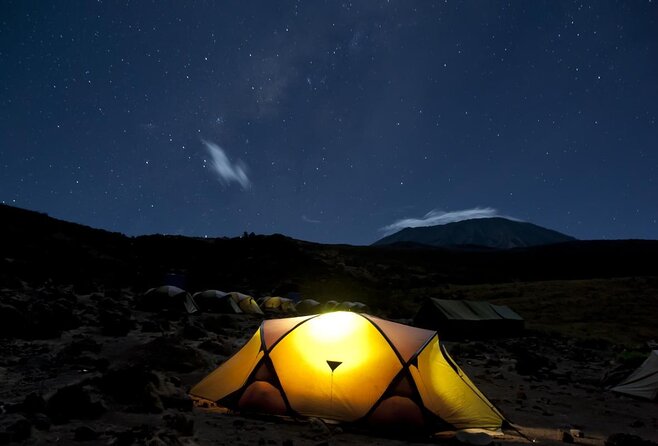
- Hut accommodation changes the experience: You sleep indoors rather than carrying or using a tent, though the huts are shared mountain lodging.
- The summit day is serious: Expect a midnight wake-up, a climb to Uhuru Peak, and roughly 12 hours of effort before reaching Horombo again.
- The scenery changes quickly: Rainforest leads to heath, then alpine desert around the saddle between Mawenzi and Kibo.
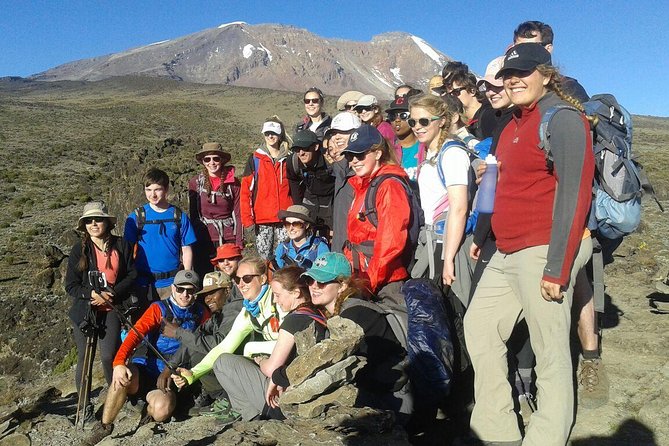
- A small group helps: The maximum group size is 12, allowing the guide to watch your pace and health more closely.
- Budget for gear and tips: Equipment, insurance, visas, and gratuities are not included in the advertised price.
What the eight day Marangu Route is really like
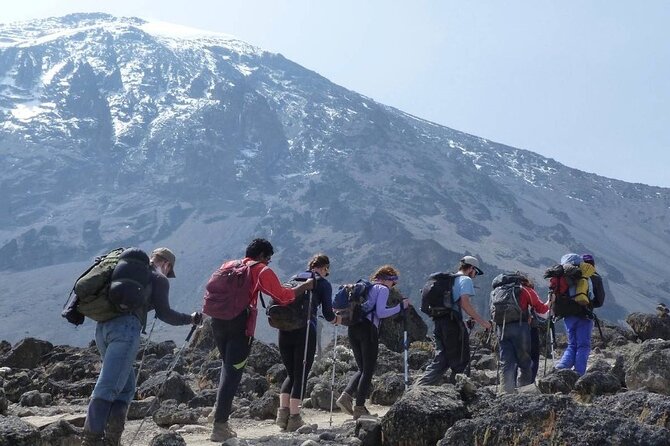
Marangu is Kilimanjaro’s most direct route. You ascend and descend along the same path, beginning on the eastern side of the mountain at Marangu Gate. That makes the route easy to understand, but it also means you do not get the changing scenery of a loop route.
The big comfort advantage is the huts. You are not camping in a tent, and you do not need to carry a sleeping shelter. The huts do not turn Kilimanjaro into a hotel stay, though. You are still sleeping high on a mountain, following a demanding schedule, and dealing with cold, fatigue, and altitude.
Your support crew includes qualified guides, porters, and cooks. The company has worked with guides including John, Issa, Dustin, and Mmasa. The most useful quality in a guide here is not speed. It is close attention to your pace, health, and willingness to slow down when needed.
The trip starts and ends at Springlands Hotel in Moshi. Airport pickup is offered, and the usual arrival transfer from Kilimanjaro International Airport takes about two hours. That first night is not a sightseeing stop. It is your chance to rest, meet the team, and prepare for the climb.
Other routes up the mountain from Arusha:
- 8-Day Small-group Lemosho Kilimanjaro Summit Trekking
★ 5.0 · 186 reviews - 5 Days Best of Tanzania Luxury Safari Northern Circuit
★ 5.0 · 174 reviews - 7-Day Machame Kilimanjaro Summit Tour from Arusha
★ 5.0 · 125 reviews
Day 1: Arriving in Moshi before the climb
You arrive at Kilimanjaro International Airport and are transferred to your hotel in Moshi. The listed meeting point is Springlands Hotel, and this is also where you return after the mountain.
This first night matters more than it may seem. You are beginning a demanding week, so use the evening to check your clothing, organize your daypack, and confirm that you have the required climbing gear. Gear is not included, so this is the point to sort out any missing items before you leave town.
The price includes accommodation connected with the mountain program, but the supplied details do not give a full breakdown of hotel room arrangements in Moshi. Confirm the exact pre and post climb hotel plan when booking.
Day 2: Marangu Gate to Mandara Hut
The day begins with a drive of about 45 minutes from Springlands Hotel to Marangu Gate. Park registration and other paperwork take place before you begin hiking, usually around 10:30 a.m.
The trail enters rainforest, making this first day feel sheltered and green compared with the exposed upper mountain. You hike from roughly 1,800 meters to Mandara Hut at 2,720 meters, with about four hours on foot and a lunch stop halfway.
You should reach Mandara around 2 or 3 p.m. That leaves time to unpack, rest, and have tea or coffee before dinner, served in the early evening. The huts have bathrooms with running water, a small but welcome comfort after the first climb.
If you still have energy, walk the short side path to Maundi Crater. It takes about 15 minutes and gives you views toward Kenya and northern Tanzania. I would take this option unless the weather or your legs tell you otherwise. It is a gentle way to see the surroundings without adding a major burden.
The first day is not technically difficult for a reasonably fit person, but do not treat it as a race. A slow start helps you conserve energy and lets the guide see how you respond to the altitude.
Day 3: Mandara Hut to Horombo Hut
After breakfast, you pack and leave at about 8:30 a.m. The climb continues from 2,720 meters to 3,720 meters, taking roughly five to six hours.
The rainforest gives way to lower heath, with smaller shrubs and more open views. Mawenzi becomes a major feature of the day, and the summit of Kibo comes into view from Horombo. These first clear views of the upper mountain can be a powerful moment, but they also show how much climbing remains.
A lunch stop breaks up the day. You should reach Horombo around 3 p.m., leaving time to rest before dinner. Running water is available at this hut, which makes washing and refilling easier than at the higher camp.
Horombo is where many people begin to notice the altitude. Headaches, poor sleep, tiredness, and a reduced appetite can occur. Do not hide these symptoms to prove toughness. Tell your guide early, drink the boiled water provided, and follow the crew’s advice.
Same base, a different kind of day out:
- Serengeti Balloon Safari and authentic bush breakfast
★ 5.0 · 2,480 reviews - Balloon Safari & Bush Breakfast in Serengeti – Miracle Experience
★ 5.0 · 1,646 reviews - Tanzania Classic – 7 Days
★ 5.0 · 1,151 reviews - 4 Days Group Camping Safari
★ 5.0 · 1,101 reviews
Day 4: The extra acclimatization day at Horombo
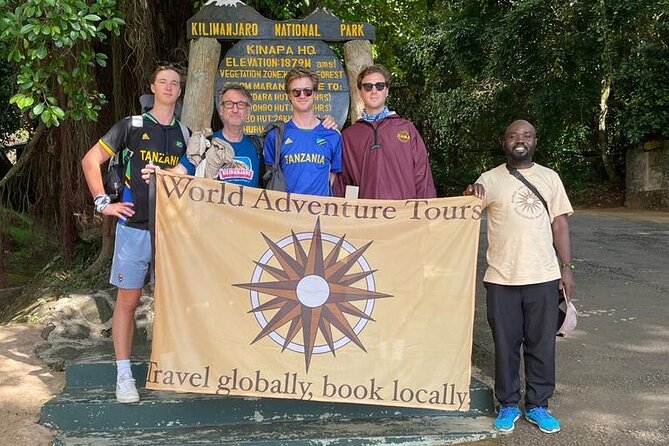
This is one of the strongest parts of the program. Instead of rushing from Horombo toward Kibo, you spend a full day around 3,720 meters to help your body adjust.
The planned walk reaches Zebra Rocks at about 4,100 meters before returning to the hut. This is a smart training outing because you gain height during the day and then sleep lower at Horombo. It also gives you a chance to see how you respond to conditions closer to the summit.
The walk offers views and a feel for the weather you may meet higher up. Just as important, it gives the guide another chance to assess your pace and general condition before the summit section.
Do not waste this day by trying to prove that you are stronger than everyone else. The goal is preparation, not exhaustion. Rest, eat, drink, and keep your gear organized for the next morning.
Day 5: Horombo to Kibo Hut across the saddle
You leave Horombo after breakfast and climb from 3,720 meters to 4,720 meters. The day takes about six to seven hours, with lunch along the way.
The first part crosses upper heath. Then the route reaches the broad saddle between Mawenzi and Kibo. This open alpine desert has a stark, almost lunar feel. Vegetation becomes sparse, the air feels thinner, and the summit attempt begins to seem very real.
The saddle is visually striking, but it can also feel long and exposed. Keep your pace slow and steady. This is not the day for extra sightseeing or a fast finish. You need to arrive at Kibo Hut with enough energy for the midnight start.
There is no running water at Kibo Hut. That detail matters. You should have your drinking water ready and keep essential items close. The crew provides boiled water on the mountain, but you still need to manage your bottles and personal supplies.
Watch for signs of altitude sickness, including a worsening headache, nausea, unusual weakness, dizziness, or confusion. Your guide should be involved in these decisions. Reaching Kibo Hut is not the final goal. Reaching the summit safely, or turning back safely if necessary, matters more.
Day 6: The midnight climb to Uhuru Peak
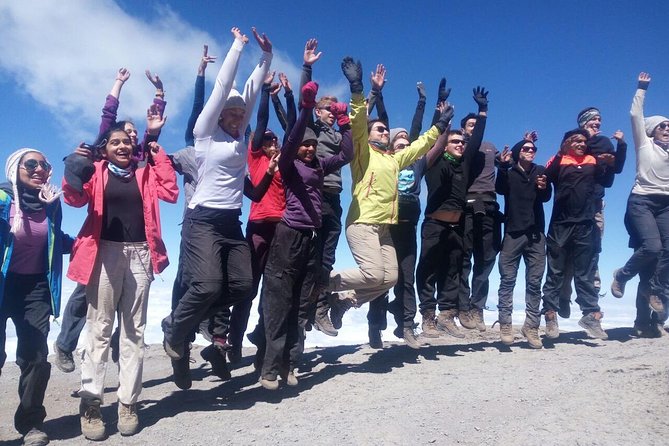
This is the hardest day by far. You wake around midnight for a light breakfast, prepare in the cold and darkness, and leave at about 1 a.m.
The first major target is Gilman’s Point on the crater rim, reached at roughly 7 a.m. From there, you can see into the crater and continue toward Uhuru Peak. The final section takes about two more hours, with an expected arrival at the summit around 8:30 a.m.
The published hiking estimate for this day is seven hours, but the full schedule is closer to 12 hours because it includes the summit climb, descent to Kibo, crossing the saddle, and the return to Horombo. Plan mentally for a very long day.
The early start is designed to put you at Uhuru Peak around sunrise. That timing can bring beautiful light over the crater and surrounding peaks, but conditions at this height are unpredictable. Stay focused on your breathing, keep your layers accessible, and follow the guide’s pace.
After the summit, you descend to Kibo Hut to collect your belongings. Then you cross the saddle again and continue to Horombo for dinner and sleep. This descent is not a casual stroll. Your legs are tired, and loose ground can make the return demanding.
You should not view reaching Gilman’s Point as a guarantee that Uhuru Peak will follow. The guide may adjust the plan based on weather, altitude symptoms, and your condition. A safe decision is a successful part of the climb, even if you do not continue to the highest point.
Day 7: Returning to Moshi and collecting your certificate
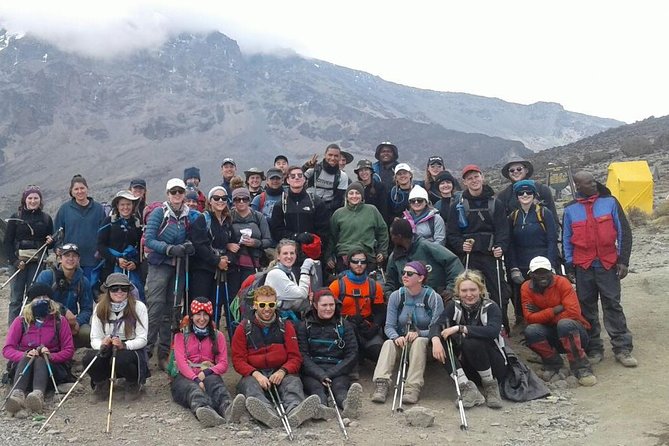
You descend from Horombo to Mandara Hut, stop for lunch, and continue to Marangu Gate. The walking portion takes about six hours, and you should reach the gate around 2 or 3 p.m.
Transport then returns you to Springlands Hotel in Moshi. After several days on the mountain, the hot shower feels like a major event. You also receive a summit certificate if you successfully complete the relevant summit achievement.
This is the time to tip the guides, porters, drivers, and cooks. Tips are not included, so bring a plan for gratuities and ask the main guide or local representative at Springlands Hotel about the preferred process. The crew carries equipment, prepares meals, manages camp routines, and helps you through the most difficult parts of the climb. A clear tipping plan avoids an awkward last-minute scramble.
The return to Moshi also gives you a chance to review your gear and recover before departure or another Tanzanian trip.
Day 8: Departure from Moshi
The final day is for airport departure or onward travel. The program suggests combining the climb with a safari in Kenya or time in Zanzibar, and additional trips around Moshi and the Kilimanjaro area can be arranged separately.
Do not schedule a tight same-day connection unless you have confirmed the timing carefully. Mountain schedules can shift because of weather, pace, or altitude decisions. The provided program ends at the meeting point in Moshi, so confirm your onward transport plan before you arrive.
How good is the $2,111 value?
At $2,111 per person, this is not a cheap holiday, but the price covers many of the costly parts of a Kilimanjaro climb. National park fees, mountain accommodation, qualified guides and crew, meals, boiled water, transport to the trailhead, and the return to Moshi are included.
The program also includes breakfast, lunch, and dinner during the mountain schedule. Wi-Fi is listed as included, though you should confirm where and when it is available, since service on a high mountain should not be treated like a constant city connection.
The main extra costs are climbing gear, visas, health insurance, personal items, and tips. Gear can be a major addition if you do not already own suitable clothing and equipment. Ask for a precise packing and rental list before paying so you can compare the true cost with other climbing programs.
The extra acclimatization day adds value. A shorter climb may have a lower price or fewer hotel nights, but it also gives your body less time to adjust. On Kilimanjaro, the cheapest option is not always the best value if it increases the chance of turning back.
Who should choose this climb?
This program suits you if you want the classic Kilimanjaro challenge with huts instead of tents and a clear, established route. It is also a sensible choice if you value a slower schedule and want a dedicated acclimatization day.
You should have moderate physical fitness. That does not mean you need to be an elite athlete, but you should be ready for several hours of uphill walking, a high altitude night, and a summit day that begins around midnight.
Marangu is less suitable if you want a different route for the ascent and descent, more remote camping, or a quieter route with changing scenery each day. Since you return along the same path, the scenery on the way down will be familiar.
The route is also not a shortcut around altitude. Its reputation as the easiest route can create false confidence. You still climb to 5,895 meters, and your body must cope with less oxygen. The best advantage here is the schedule, hut support, and extra acclimatization day, not a guarantee of an easy summit.
Small group size and guide support
The maximum group size is 12 people. That is large enough to create a social atmosphere but small enough for the guide to notice changes in your pace and health.
The most useful guide behavior is steady pacing and direct communication. Previous company crews have included John with Issa, as well as Dustin and Mmasa on other climbs. When you meet your assigned team, pay attention to how clearly they explain the schedule, altitude concerns, meal arrangements, and emergency decisions.
A good question to ask before departure is how the crew handles a climber who needs to descend. The supplied information confirms that guides remain with the group and monitor altitude sickness, but you should still clarify the exact safety plan during your briefing.
Booking details worth knowing
Confirmation is provided at the time of booking. The activity begins at Springlands Hotel in Moshi and ends back at the same meeting point.
Pickup is offered, including the airport transfer described for arrival. The listed operating dates run from March 1, 2023 through June 18, 2026, with opening hours shown as Monday and Tuesday from 9 a.m. to 6 p.m. Confirm your exact departure date and pickup arrangement before booking.
The cancellation policy is strict. The experience is non-refundable and cannot be changed for any reason, so do not pay until your dates, insurance, gear plan, and onward travel are settled.
Should you book the eight day Marangu Route?
I would choose this program if you want hut accommodation, a straightforward route, and a better acclimatization schedule than the shortest Marangu versions. The included park fees, meals, mountain crew, boiled water, and transport also make the $2,111 price easier to assess.
I would not choose it simply because Marangu is called easy. Treat the climb as a serious high altitude expedition, budget for gear and tips, and be prepared to follow your guide’s advice even when that means slowing down or turning back.
For a first Kilimanjaro attempt, the eight day format offers a useful balance of comfort and challenge. The extra day at Horombo is the feature I value most. If you arrive fit, plan carefully, and respect the altitude, this route gives you a practical path to one of Africa’s great summit experiences.
FAQ
Where does the Kilimanjaro climb start?
The activity starts at Springlands Hotel in Moshi, Tanzania. Transport takes you from the hotel to Marangu Gate on the eastern side of Kilimanjaro.
How long does the program last?
The program lasts approximately eight days, including arrival in Moshi, six mountain days, the return to Moshi, and departure.
What is the highest point reached?
The summit target is Uhuru Peak at 5,895 meters.
Where do you sleep on the mountain?
Accommodation on the Marangu Route is in mountain huts. You do not camp in tents as part of the listed accommodation.
Is there an acclimatization day?
Yes. Day 4 is an extra acclimatization day at Horombo Hut, at about 3,720 meters, with a walk toward Zebra Rocks at approximately 4,100 meters.
How large is the group?
The activity has a maximum of 12 participants.
What meals are included?
Breakfast, lunch, and dinner are included during the program. The listed inclusions specify eight dinners, nine breakfasts, and eight lunches.
Is drinking water provided?
Boiled water is included on the mountain. There is running water at Mandara and Horombo huts, but no running water at Kibo Hut.
What is not included in the price?
Visas, climbing gear, health insurance, tips for drivers, porters, and guides, and personal items are not included.
Can the booking be canceled or changed?
No. The experience is non-refundable and cannot be changed for any reason after booking.
Just added in Arusha
- 4 Days Private Midrange Lodge Safari to Serengeti & Ngorongoro★ 5.0 · 4 reviews
- Extraordinary Hot air Bolloon ride in Serengeti | BURIGI CHATO SAFARIS CO L.T.D★ 5.0 · 6 reviews
- 3 days leopard safaris★ 5.0 · 4 reviews
- 8 Days Serengeti Migration safari★ 5.0 · 11 reviews
- tarangire, ngorongoro & lake manyara park 3 days private tour★ 5.0 · 11 reviews
- serengeti, ngorongoro & tarangire 4 days private tour★ 5.0 · 18 reviews
- tarangire & ngorongoro 2 days tour★ 5.0 · 14 reviews
- Mt. Kilimanjaro: Shira plateau to Cathedral point 3872m Day hike★ 5.0 · 7 reviews
Kilimanjaro Treks, compared.



8-Day Small-group Lemosho Kilimanjaro Summit Trekking
Read our review →

5 Days Best of Tanzania Luxury Safari Northern Circuit
Read our review →

Climbing Kilimanjaro through 7 days Machame Route
Read our review →
7-Day Machame Kilimanjaro Summit Tour from Arusha
Read our review →Browse the lists this tour appears in