
Reviewed · KILIMANJARO TREKS
climb the KILIMANJARO via Lemosho route
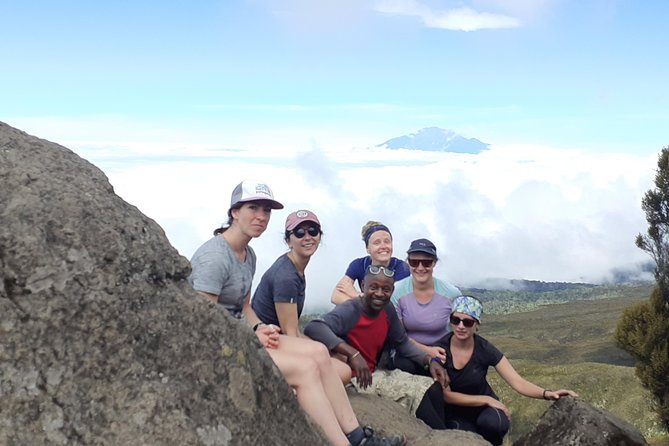
The Lemosho Route gives you a long, varied approach to Kilimanjaro, beginning in rainforest and ending on the cold, rocky summit of Uhuru Peak. You’ll cross farmland, moorland, Shira Plateau, lava country, and alpine desert before reaching Africa’s highest point at 5,896 meters.
I like the gradual height gain and the chance to see more than one face of the mountain. I also like the private format, with guide Paul Bernad and a dedicated cook and mountain team. The main drawback is simple: this is a serious physical test, with several long days at high altitude and a summit push that demands strength, patience, and good preparation.
Key points to know before booking
- Eight days on the mountain: The route gives you time to move from low forest to high altitude in stages.
- A scenic start: The first walks pass farms, planted trees, rainforest, flowers, and possible sightings of elephants, buffalo, and eland.
- High-altitude acclimatization: Shira Cathedral and Lava Tower add useful climbing and descending before summit day.
- A private group: Only your own party takes part, with support from guides, cooks, and porters arranged by the operator.
- A demanding summit schedule: Barafu, Stella Point, and Uhuru Peak come in a tough stretch of climbing and descent.
- Good advice from past experience: Prepare carefully for cold conditions and do not depend on a phone as your only camera.
Why the Lemosho Route is worth considering
Lemosho is a strong choice if you want a full Kilimanjaro experience rather than the shortest possible climb. The opening days are not just a march toward the summit. You pass through several distinct ecological zones, and the route gives your body time to adjust as the trail rises.
The route starts near Londrossi Gate, at roughly 2,200 meters. From there, you drive back toward the walking point and begin on foot. The early section crosses farmland and mixed planted trees before entering rainforest. That change gives the first day a real sense of movement. You are leaving everyday Tanzania behind, but not instantly. The farms and vegetable plots remain part of the story.
I also like that the opening section can bring wildlife sightings. Elephants, buffalo, and eland are listed as possible animals in the forest area, along with birds and smaller creatures. Nothing in the schedule guarantees a sighting, so treat wildlife as a bonus rather than a reason to book the climb.
The price is $2,564.11 per person. That is not a casual mountain outing, but the value depends on what is included in the support. You are paying for an eight-day private climb, transport from Arusha or Moshi, mountain guides, cooking support, campsite logistics, and the planning needed to move a small party through several altitude zones. If you only want to reach the summit as quickly as possible, another route may appear cheaper. If you want a longer route with a private team and varied scenery, the cost is easier to justify.
Other routes up the mountain from Arusha:
- 8-Day Small-group Lemosho Kilimanjaro Summit Trekking
★ 5.0 · 186 reviews - 5 Days Best of Tanzania Luxury Safari Northern Circuit
★ 5.0 · 174 reviews - 7-Day Machame Kilimanjaro Summit Tour from Arusha
★ 5.0 · 125 reviews
Day 1: Londrossi Gate to Forest Camp
The first day begins with a drive from your hotel in Arusha or Moshi to Londrossi Gate, at about 2,200 meters. Registration takes place there before the vehicle returns to the trailhead near the forest.
The walk is listed as about 5 kilometers and four hours, but the overall day can take up to 12 hours because of driving, registration, and the transition onto the mountain. That is important when planning your first morning. You may not be hiking all day, but you should still expect a long start.
The route passes through farmland, planted trees, and vegetable-growing areas before entering rainforest. The vegetation becomes thicker, the air changes, and the trail feels more remote. You finish at Forest Camp, around 2,830 meters, where you spend the night.
This is a good first stage because the height gain is noticeable but not extreme. The drawback is the length of the complete day. Keep your first evening quiet and do not treat it like a normal hotel arrival.
Day 2: Forest Camp to Shira 1
The second stage climbs from the big-tree area toward Shira 1 Camp. The walk covers about 7 kilometers and takes four to six hours, reaching around 3,509 meters.
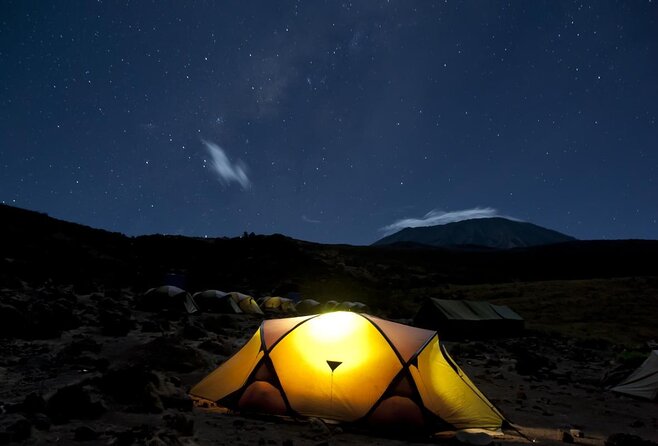
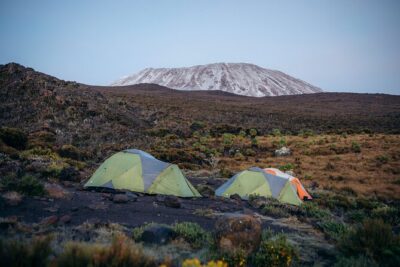
The rainforest gives way to heather moorland, with Erica plants and open grass. The trail rises toward the Shira Plateau ridge, and the views become wider as the trees thin out. On a clear night, you may be able to see Kibo, the main volcanic cone of Kilimanjaro.
This is one of the route’s best changes in scenery. You have moved from a humid forest setting into a much more open mountain world in only two days. At the same time, the short distance can be misleading. Climbing at altitude takes more effort than the mileage suggests, so a steady pace matters more than speed.
Dinner and sleep are at Shira 1 Camp. The free time here is useful. Eat well, drink as directed by your guide, and protect your energy for the harder middle section.
Day 3: Shira Cathedral or the lower route
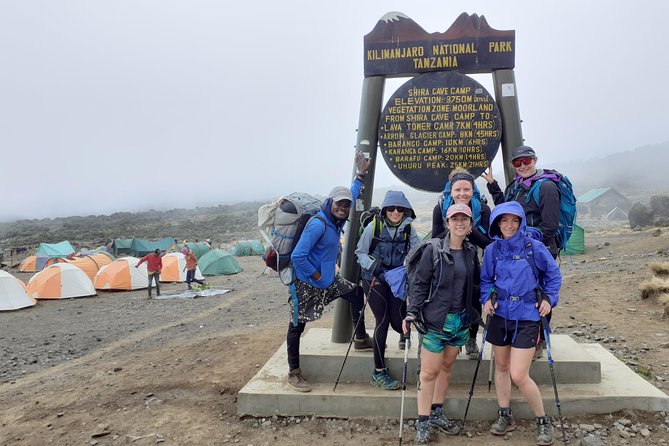
Day 3 includes two possible route choices. One option takes you toward Shira Cathedral, at roughly 3,920 meters, for four to five hours and about 6 kilometers. After this acclimatization walk, you continue to Shira 2 Camp at around 3,840 meters.
The value of this option is the climb high followed by a lower overnight. That pattern can help you get used to thinner air while sleeping at a slightly lower elevation than the day’s high point. The trail also gives you more time on the Shira Plateau, where open views and volcanic terrain replace the forest.
The second option follows a lower route across the rescue road directly to Moir Hut Camp, around 4,200 meters. This is a more direct move toward higher ground. The two options are not interchangeable in how they feel, so ask your guide which route fits the group’s pace, condition, and weather.
The schedule lists six to eight hours depending on the choice. This is another day when a private group can be useful. Paul Bernad is described as adjusting his pace to the abilities of the people in his group, which matters when climbers arrive with different strengths.
Same base, a different kind of day out:
- Serengeti Balloon Safari and authentic bush breakfast
★ 5.0 · 2,480 reviews - Balloon Safari & Bush Breakfast in Serengeti – Miracle Experience
★ 5.0 · 1,646 reviews - Tanzania Classic – 7 Days
★ 5.0 · 1,151 reviews - 4 Days Group Camping Safari
★ 5.0 · 1,101 reviews
Day 4: Lava Tower and the Barranco descent
Day 4 is a classic acclimatization stage. You climb through the rock desert zone toward Lava Tower, reaching about 4,605 meters. Lunch is planned there before you descend to Great Barranco Camp at around 3,940 meters.
The walk covers about 9.5 kilometers and takes five to six hours. The important feature is the high point followed by a lower overnight. You get time at altitude without having to sleep at the day’s maximum elevation.
The scenery here is stark and exposed. The trail leaves behind the softer moorland look and enters volcanic rock country. Lava Tower gives the day a clear target, while the descent to Barranco brings dramatic mountain views and a different feel by camp.
This section can be tiring because you climb high, eat lunch, and then continue downhill. Do not mistake the descent for an easy finish. Rocky ground can be hard on knees and ankles, especially after several days of walking.
Day 5: Barranco Wall to Karanga Camp
Day 5 begins with the Barranco Wall, one of the route’s best-known physical challenges. The rocky climb reaches about 4,200 meters before you continue toward Karanga Camp at roughly 4,000 meters.
The day covers about 5.5 kilometers and takes three to four hours, with hot lunch planned at camp. The distance looks modest, but the Barranco Wall makes this more than a simple walk. You will use your hands at points and pay close attention to your footing.
I like this stage because it feels hands-on. You are not simply following a wide path across a plain. You are working your way through rock, gaining height, and then settling into Karanga for rest.
The schedule allows time at camp after lunch. Use it. The mountain does not reward rushing, and the next day brings the summit approach.
Day 6: Karanga to Barafu, then Uhuru Peak
Day 6 is the hardest part of the climb. You first walk from Karanga to Barafu Hut, about 5 kilometers and three to four hours, reaching approximately 4,620 meters. The route enters alpine desert, where vegetation becomes sparse and the setting feels raw and exposed.
From Barafu, the plan is to climb toward Stella Point at 5,756 meters and then continue to Uhuru Peak, at 5,896 meters. The summit section is listed as roughly six hours of climbing, followed by a descent to Barafu that takes about three hours.
This is a demanding schedule. You should expect cold, thin air, steep effort, and limited comfort. The exact order and timing of the summit push should be confirmed with Paul and the mountain team before setting out, since the supplied schedule combines the Barafu approach, summit climb, and return in one difficult stretch.
At the top, you get a few minutes for photographs before descending. Uhuru Peak is the high point, but the descent is not an afterthought. Returning safely to Barafu requires energy, concentration, and sensible pacing.
A useful practical tip is to prepare for cold better than you think you need to. One past climber specifically advised not relying on a phone for photos. Batteries can suffer in cold conditions, and a phone may be difficult to use with gloves. Bring a dependable camera option if photographs matter to you, but do not let the perfect summit pose distract from the climb.
Day 7: Barafu to Mweka Hut
After resting and taking food at Barafu, you continue down to Mweka Hut, around 3,100 meters. The day is listed as about six hours.
The descent through lower terrain should feel easier on your breathing than the summit zone, but it can still be rough on your legs. After the strain of the previous day, the distance and uneven ground may seem longer than expected.
Mweka is your final mountain night. Dinner and sleep here give you a proper stopping point before the last descent. It also means you do not have to force the entire route down to the gate immediately after the summit effort.
Day 8: Mweka Hut to the gate
The final walk takes about four hours and covers 8 kilometers through rainforest to Mweka Gate, at around 1,760 meters.
You sign out at the gate and receive a certificate for completing the climb. Transport then takes you back to your hotel. After several days above the forest, the return to thick vegetation and lower elevation can feel dramatic.
This final day is straightforward on paper, but tired legs can make downhill walking awkward. Trekking poles, careful foot placement, and a relaxed pace can make the finish more comfortable.
The guide team and private format
The experience is private, so only your own group takes part. That gives the climb a more personal structure than a large shared departure. Pace, rest stops, and the choice between the Day 3 routes can be handled around your group rather than a crowded schedule.
Paul Bernad is the guide name connected with this climb. The team also includes cooks and other mountain staff. Food is a meaningful part of the experience, since you need regular meals during long days at altitude. The available information specifically highlights the quality of the food, but you should still ask about dietary needs before booking.
The team describes its approach as friendly and home-like. More importantly, the practical details point to a staff that handles several types of Tanzania trips, from trekking and camping to safari and lodge arrangements. That wider experience may be useful if you are combining Kilimanjaro with time elsewhere in Tanzania.
Who should book this climb?
I would choose this route if you want:
- A full eight-day Kilimanjaro schedule rather than a quick ascent
- Varied scenery from farmland and rainforest to volcanic rock and alpine desert
- A private group with guide attention
- A route that includes several acclimatization climbs
- The chance to see the mountain’s major stages, including Barranco Wall, Lava Tower, Stella Point, and Uhuru Peak
I would pause before booking if you want a relaxed holiday or dislike long days outdoors. A moderate level of physical fitness is required, and the summit day is far more demanding than an ordinary mountain walk.
The experience may suit older climbers who prepare carefully and work with the guide’s pace. A family group ranging from ages 34 to 69 completed the route with Paul in February 2025, showing that age alone does not decide who can take part. Fitness, preparation, health, and the ability to handle altitude matter more.
Pickup is offered, and the meeting hours are listed as 8:00 AM to 11:30 PM every day during the stated operating period. Confirmation is received at booking, and the activity is near public transport. The mobile ticket is handy, but the key planning issue is your mountain equipment and physical readiness.
Cancellation is generous only when handled early. Cancel at least six full days before the start for a full refund. A cancellation two to six days before the start receives 50 percent, while cancellation within two days receives no refund. Weather or minimum-group cancellations can lead to another date or a full refund.
Should you book the Lemosho climb?
Book it if the goal is to experience Kilimanjaro as a gradual crossing of changing climates, not merely to collect a summit photograph. The combination of Lemosho’s scenic start, high-altitude acclimatization, private guiding, and eight-day schedule gives you a solid reason to accept the cost.
Before paying, confirm the exact Day 3 route, the summit-day timing, what equipment is supplied, and how the team handles personal medical or dietary needs. If Paul Bernad is leading your departure, make sure you understand how the group’s pace will be managed.
This is a demanding climb, but it is thoughtfully staged. Prepare for cold, pack a reliable camera if you want summit photographs, protect your energy, and judge success by steady progress rather than speed.
FAQ
Where does the climb begin?
The experience starts with pickup from a hotel in Arusha or Moshi, followed by a drive to Londrossi Gate for registration.
How long is the Kilimanjaro climb?
The experience lasts approximately eight days.
What route is used?
The climb uses the Lemosho Route.
What is the highest point reached?
The summit is Uhuru Peak, also called Freedom Peak, at approximately 5,896 meters.
Is the activity private?
Yes. Only your own group participates in the activity.
Is pickup included?
Pickup is offered from a hotel in Arusha or Moshi.
What level of fitness is required?
You should have a moderate level of physical fitness. The climb includes long walking days, high altitude, a rocky Barranco Wall section, and a demanding summit push.
Are meals provided?
The mountain team includes cooks, and the schedule lists meals such as breakfast, dinner, and hot lunch during the climb.
What happens if bad weather cancels the climb?
If poor weather causes cancellation, you will be offered a different date or a full refund.
Just added in Arusha
- 4 Days Private Midrange Lodge Safari to Serengeti & Ngorongoro★ 5.0 · 4 reviews
- Extraordinary Hot air Bolloon ride in Serengeti | BURIGI CHATO SAFARIS CO L.T.D★ 5.0 · 6 reviews
- 3 days leopard safaris★ 5.0 · 4 reviews
- 8 Days Serengeti Migration safari★ 5.0 · 11 reviews
- tarangire, ngorongoro & lake manyara park 3 days private tour★ 5.0 · 11 reviews
- Mt. Kilimanjaro: Shira plateau to Cathedral point 3872m Day hike★ 5.0 · 7 reviews
- serengeti, ngorongoro & tarangire 4 days private tour★ 5.0 · 18 reviews
- tarangire & ngorongoro 2 days tour★ 5.0 · 14 reviews
Kilimanjaro Treks, compared.
8-Day Small-group Lemosho Kilimanjaro Summit Trekking
Read our review →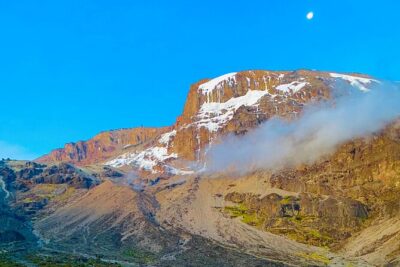
5 Days Best of Tanzania Luxury Safari Northern Circuit
Read our review →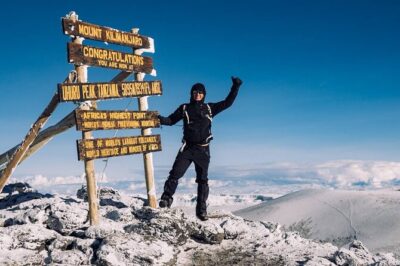
Climbing Kilimanjaro through 7 days Machame Route
Read our review →
7-Day Machame Kilimanjaro Summit Tour from Arusha
Read our review →Browse the lists this tour appears in