
Reviewed · KILIMANJARO TREKS
Kilimanjaro-lemosho Route 8 Days Itinerary
The Lemosho Route gives you Kilimanjaro at its most gradual and scenic. You begin in rainforest, cross the open Shira Plateau, pass beneath Lava Tower, tackle the Barranco Wall, then make the hard midnight push to Uhuru Peak, Africa’s highest point. The climb itself takes eight days, but lodge nights and transfers make this a 10-day trip.
I like the gentle route design and the useful altitude pattern. You climb high to Lava Tower, then sleep lower in Barranco, giving your body a better chance to adjust. I also like the private setup, airport transfers, meals, and Arusha lodge stay included in the $2,950 price.
The main concern is the final summit day. A 13 to 15-hour stretch from Barafu Camp to the summit and down to Mweka Camp is demanding, even for fit hikers. The itinerary also uses both 8-day and 10-day wording, so confirm the exact dates and inclusions before paying.
Key points to know before booking
- Eight trekking days, ten calendar days: The climb runs from Londrossi Gate to Mweka Gate, with lodge nights before and after.
- A scenic western approach: Lemosho starts in forest and reaches the Shira Plateau before joining the southern circuit.
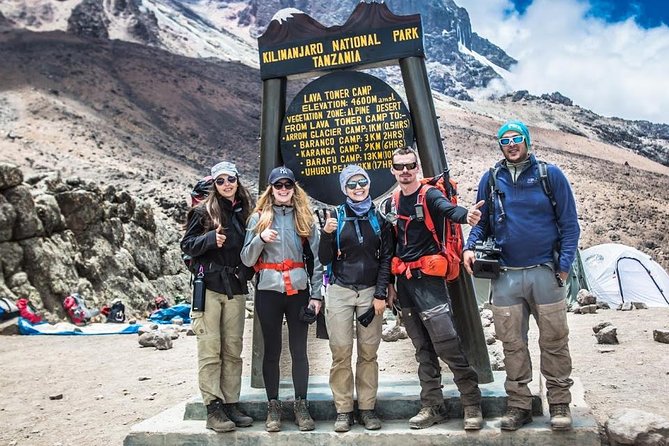
- Strong altitude planning: The route reaches Lava Tower at 4,600 meters before descending to Barranco at 3,900 meters.
- The summit day is very long: Expect 13 to 15 hours of walking from Barafu Camp through the summit and down to Mweka Camp.
- Arusha logistics are simple: Airport pickup and drop-off at Kilimanjaro International Airport are included.
- Guide experience matters: Emmanuel and Frankie are named in past climb feedback, though you should confirm your assigned guide before departure.
Why Lemosho is a smart route to Kilimanjaro
Kilimanjaro is not a technical climbing trip in the usual mountaineering sense, but it is a serious high-altitude trek. You do not need ropes or rock-climbing skills on this itinerary. You do need patience, steady fitness, good clothing, and the ability to keep moving when the air gets thin.
Lemosho is a good choice because it gives you several days to gain height. The route begins at a lower forest trail, crosses the Shira Plateau, then follows the mountain’s southern side. That gradual progression is more useful than rushing straight toward the summit.
The route also gives you variety. One day is green forest. The next opens into broad high-altitude country. Later, you walk through volcanic rock and cold, bare terrain. The Barranco Wall adds a hands-on section without turning the trip into technical climbing.
The published success rate is described as strong, but no operator can promise a summit. Your result depends on weather, altitude response, pacing, sleep, hydration, and how carefully the guide team handles problems. Treat the summit as a goal, not a guarantee.
Other routes up the mountain from Arusha:
- 8-Day Small-group Lemosho Kilimanjaro Summit Trekking
★ 5.0 · 186 reviews - 5 Days Best of Tanzania Luxury Safari Northern Circuit
★ 5.0 · 174 reviews - 7-Day Machame Kilimanjaro Summit Tour from Arusha
★ 5.0 · 125 reviews
Day 1: Arusha Safari Lodge and the pre-climb check
Your first night is at Arusha Safari Lodge, on the lower slopes of Mount Meru. That gives you a quieter start than landing at the airport and heading directly toward the mountain.
A 5:30 p.m. briefing covers the route, equipment, mandatory medical coverage, and travel insurance. The equipment check is important. This is the moment to find a missing warm layer or unsuitable sleeping gear, not at 4,600 meters beside Barafu Camp.
The overnight package includes your bed, dinner, and breakfast. Airport pickup from Kilimanjaro International Airport is included, and you can arrive at any time on the arrival day. Still, send your flight details clearly and confirm the meeting arrangement before departure.
Day 2: Londrossi Gate to Mti Mkubwa Camp
After breakfast, you drive for about two hours through rural countryside to Londrossi Gate. Park registration takes place here, followed by the drive to the Lemosho trailhead.
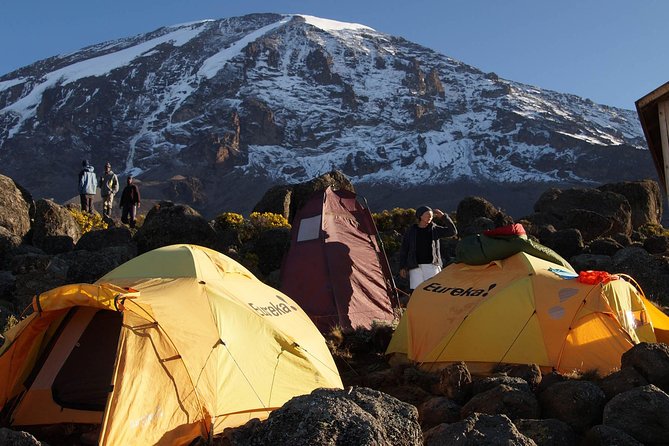
The approach is part of the experience. You pass farmland and open views across the plains before reaching the forest. The walking begins in thick, cooler vegetation, with Mti Mkubwa Camp at about 2,650 meters as the night’s stop.
The walk takes three to four hours. That is a sensible first day. You get moving, but you are not asked to complete a huge distance immediately after the transfer and park formalities.
The practical drawback is that the day can feel longer than the walking time suggests. Registration, driving, loading, and trail preparation all take time. Keep your day pack ready so you are not searching through large luggage at the gate.
Day 3: Mti Mkubwa to the Shira Plateau
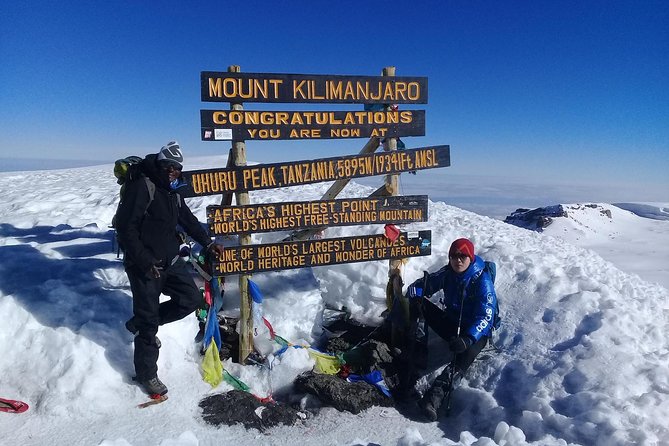
This is one of the bigger early days, at six to seven hours of walking. You leave the forest behind and climb steadily toward the rim of the Shira Plateau.
The change in scenery is a reward. Instead of trees closing around the trail, you get wide views and a more open sense of the mountain. The slow pace matters here. You are gaining a lot of altitude, and the best response is controlled walking rather than racing ahead while you still feel fresh.
Shira Camp sits at about 3,550 meters. Some people feel fine at this height. Others notice a headache, reduced appetite, or poor sleep. Tell your guide early if you feel unwell. Hiding symptoms helps nobody, especially you.
Same base, a different kind of day out:
- Serengeti Balloon Safari and authentic bush breakfast
★ 5.0 · 2,480 reviews - Balloon Safari & Bush Breakfast in Serengeti – Miracle Experience
★ 5.0 · 1,646 reviews - Tanzania Classic – 7 Days
★ 5.0 · 1,151 reviews - 4 Days Group Camping Safari
★ 5.0 · 1,101 reviews
Day 4: Shira Cathedral and Shira Hut
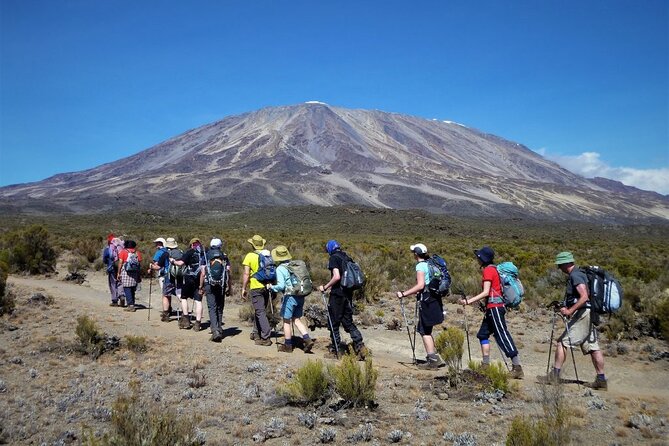
Day four is shorter, with three to five hours of walking. You follow an easier trail toward Shira Cathedral before reaching Shira Hut at roughly 3,840 meters.
The shorter schedule gives you time to adjust. That is one reason the Lemosho plan feels more thoughtful than a rushed climb. You are still moving upward, but the day does not force a long march.
Shira Hut is exposed, and the cold can be sharp. Temperatures may drop well below freezing. Your warm sleeping system, gloves, hat, and dry layers now matter more than they did in the forest.
Do not read the short day as an easy night. Cold and altitude can make rest difficult. Eat when food is offered, drink regularly, and keep the clothes you need for the evening within reach.
Day 5: Lava Tower, then down to Barranco
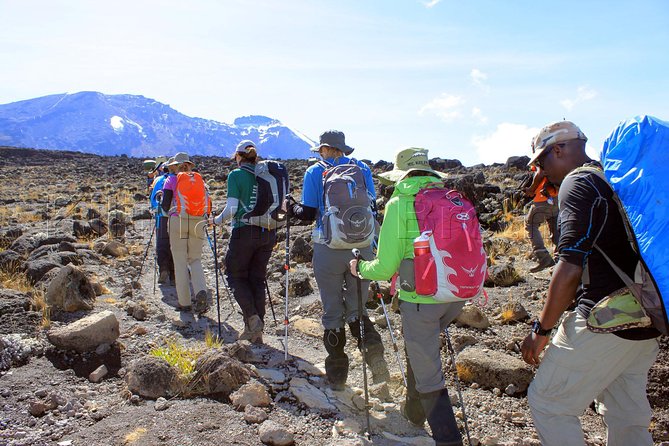
This is the route’s key altitude-acclimatization day. You climb beneath Lava Tower and reach about 4,600 meters for lunch before descending to Barranco Valley at approximately 3,900 meters.
The value is simple: you spend time high, then sleep lower. That gives your body a better adjustment pattern than climbing high and staying high every night. It also lets you see a dramatic section of Kilimanjaro without sleeping at Lava Tower.
The walk takes five to seven hours. The trail crosses the southwest side of the mountain, with views toward the Western Breach and the volcanic upper slopes. The change in elevation can make this day feel harder than its distance suggests.
Barranco is a memorable camp location, but conditions may be cold and exposed. Keep your water bottle, snacks, and warm jacket handy. Your main job is not to prove toughness. It is to arrive with enough energy for the next morning.
Day 6: Barranco Wall and Karanga Camp
The day begins with a steep climb up the eastern wall. You may get views toward the Heim Glacier before reaching the Barranco Wall itself.
The wall sounds intimidating, but the itinerary describes a steep trail rather than a technical climbing pitch. You will use your hands in places and move carefully. A calm pace is more useful than strength here, especially if the trail is crowded.
After the wall, the path drops into the Karanga Valley and then climbs again to Karanga Camp at about 4,000 meters. The walk takes four to five hours.
This is a good example of Kilimanjaro’s repeated up-and-down rhythm. You are not simply walking uphill toward the summit. You gain height, lose some, then climb again. That pattern can be tiring, but it supports acclimatization.
The listed duration for this day contains a clear timing error, showing four minutes instead of four to five hours. Ask the operator to confirm the daily schedule in writing. The walking estimate of four to five hours is the sensible figure.
Day 7: Karanga to Barafu Camp
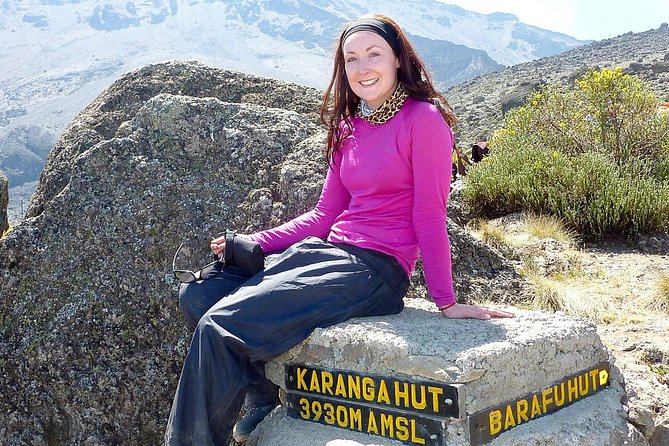
Today you follow the traverse route toward Barafu Ridge. The walk takes three to four hours, and Barafu Camp sits at about 4,600 meters.
This is your final camp before the summit. The rest of the day is meant for eating, organizing your day pack, and resting before a very early start. Do not waste this afternoon trying to wander around camp. Your midnight departure is the main event.
Barafu is high, cold, and exposed. You should have your summit layers arranged before you lie down. Put snacks, water, gloves, headlamp, and extra clothing where you can reach them without unpacking everything.
Sleep may be poor. That is normal on a night when you are resting at altitude and preparing for a midnight climb. Even quiet rest helps.
Day 8: Stella Point, Uhuru Peak, and Mweka Camp
This is the hardest day by far. You wake before midnight and begin climbing over loose volcanic scree. The trail uses zigzags, and the guide team should keep the pace slow and steady.
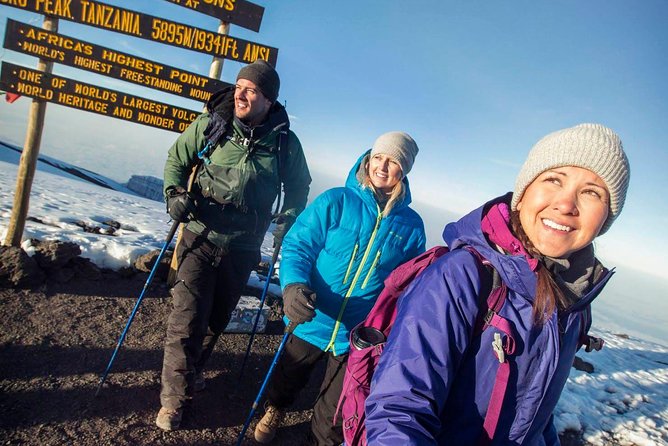
The first major goal is Stella Point on the crater rim at about 5,735 meters. If you reach it feeling strong enough, you continue along the rim for roughly a two-hour round trip to Uhuru Peak at 5,895 meters.
Sunrise over Mawenzi is one of the special moments of the route. You will have little time to linger, though. Cold, fatigue, and altitude can make the summit stop brief. Take your photos, appreciate the achievement, and listen closely to your guide’s instructions.
The descent to Barafu is fast compared with the climb. After refreshments, you continue down to Mweka Camp at about 3,100 meters. The full day is listed at 13 to 15 hours, so this is not a casual summit stroll.
You should prepare mentally for the descent. Many people focus so hard on reaching Uhuru Peak that they forget they still have hours of walking afterward. Save energy, protect your knees, and keep drinking.
Day 9: Mweka Gate and return to Arusha
The final walking section takes three to five hours through rainforest to Mweka Gate. The air should feel noticeably easier as you lose altitude.
Successful climbers receive summit certificates at the gate. After lunch, you return by vehicle to Arusha Safari Lodge for dinner and another bed, with breakfast included as part of the lodge stay.
This return night is useful. It gives you time to clean up, organize luggage, and say goodbye to the guide and porter team without rushing straight to an airport. The experience ends with a clear transition from mountain life back to town.
Day 10: Airport transfer or extra time in Tanzania
The package includes a private transfer from Arusha to Kilimanjaro International Airport. That makes the final day straightforward if your flight schedule lines up.
The operator also says you can discuss a short safari or another activity instead of leaving immediately. No safari is included in the $2,950 price, so treat that as an optional extension rather than part of the climb.
Confirm the actual pickup time against your flight. The general meeting time is listed as 8:30 a.m., but your departure transfer will need to match your flight details.
What the $2,950 price covers
At $2,950 per person, this is not a budget mountain outing. The value comes from the services bundled around the climb: airport transfers, Arusha lodge nights, park admission, meals, a private group arrangement, and the guide and porter operation required for a Kilimanjaro trek.
Breakfast is listed for 10 days, lunch for 10 days, and dinner for nine days. Tips, international flights, and personal items are not included. Set aside a separate amount for gratuities, and check what the operator considers personal equipment before you arrive.
The private format is useful if you want your pace and daily decisions handled around your own group. It may cost more than joining a larger departure, but it can make communication easier when someone has altitude trouble or needs a slower pace.
Ask for a written list of included park fees, transfers, camping equipment, meals, and porter support. The supplied details say park admission is included at each mountain stop, but a clear final invoice is still worth having.
Best months, weather, and what to pack
January and February are described as the warmest months, with clearer mornings and evenings. August and September are also listed among the best times to climb.
March, April, and May bring long rains and are best avoided for this trip. November usually has shorter rains, but conditions can still be wet. July may be colder, while December can also bring wet weather.
The mountain changes quickly with height. Forest conditions at the start do not prepare you for freezing temperatures at Shira Hut, Lava Tower, Barafu, and the summit. Pack for several climates, with reliable rain protection and serious cold-weather layers.
Your mandatory medical coverage and travel insurance should be in order before the briefing. The operator checks this before the climb begins. You also need a moderate level of physical fitness, though the final summit day demands more than that phrase may suggest.
Guide support and the human side of the climb
The strongest personal feedback centers on guide professionalism, care, and encouragement. Emmanuel and Frankie are named as guides on a previous Lemosho climb, while Clinton is associated with the local Africa Joy Tours team. These names may not be your assigned crew, so confirm who will lead your departure.
The repeated praise for the guide and porter team matters because the mountain can become mentally difficult long before it becomes technically difficult. A steady guide helps with pacing, route decisions, and the small problems that can grow at altitude.
One useful bit of mountain humor is the promise that you are always about 30 minutes from the next point. Treat that as encouragement rather than a precise forecast. The trail can take longer when conditions, altitude, or group pace change.
Because this is a private trip, speak plainly. Tell the guide if you have a headache, cannot eat, feel unusually weak, or are struggling to keep pace. Good support only works when you give the team accurate information.
Who should book this Lemosho climb?
I would choose this trip if you want a scenic route, a private group, airport help, and a planned acclimatization pattern. It suits someone who prefers a gradual approach and values having a lodge night before and after the mountain.
It is also a good fit if you want the western forest approach and the Shira Plateau rather than a shorter, more direct route. The changing scenery gives the eight trekking days a real sense of progress.
I would hesitate if you want a short holiday with a little mountain walking on the side. The summit day is long, the altitude is serious, and several nights are cold. You should also pause if you dislike early starts, basic camp conditions, or days of steady uphill and downhill walking.
Free cancellation is available if you cancel at least 24 hours before the start time. Changes made inside that window are not accepted, and poor weather may lead to a new date or a full refund.
Should you book it?
Book this Lemosho climb if you are ready for a demanding high-altitude trek and want the practical pieces handled by a local operator. The route is well paced, the scenery changes often, and the inclusion of airport transfers and Arusha lodge nights adds real convenience.
Before you commit, confirm the exact 10-day schedule, your guide names, the equipment supplied, the tip expectations, and every item included in the price. If you can accept the long summit day and prepare properly for cold and altitude, this is a strong route for reaching Uhuru Peak with time to adjust along the way.
FAQ
Is this an eight-day or 10-day experience?
The mountain trek is described as an eight-day Lemosho climb, but the full program lasts about 10 days. The extra time covers the Arusha lodge night before the climb, the return night after Mweka Gate, and airport transfers.
Where does the tour begin and end?
The experience begins and ends at Arusha Safari Lodge. Airport pickup and departure transfer are provided between Kilimanjaro International Airport and Arusha.
What level of fitness do I need?
You should have a moderate level of physical fitness. The summit day is especially demanding, with 13 to 15 hours of walking from Barafu Camp through the summit and down to Mweka Camp.
What is the highest point reached?
Uhuru Peak is the highest point, at 5,895 meters. The route first reaches Stella Point on the crater rim at about 5,735 meters.
Are meals included?
Yes. Breakfast is listed for 10 days, lunch for 10 days, and dinner for nine days. Dinner and breakfast are included during the Arusha Safari Lodge stays.
Which months are recommended for climbing?
January, February, August, and September are listed as the best months. March, April, and May usually bring long rains. November and December can be wet, and July can be colder.
What is not included in the price?
Tips, international flights, and personal items are not included. The operator also offers optional discussions about a short safari or another activity after the climb, but those extras are not part of the stated price.
Just added in Arusha
- 4 Days Private Midrange Lodge Safari to Serengeti & Ngorongoro★ 5.0 · 4 reviews
- Extraordinary Hot air Bolloon ride in Serengeti | BURIGI CHATO SAFARIS CO L.T.D★ 5.0 · 6 reviews
- 3 days leopard safaris★ 5.0 · 4 reviews
- 8 Days Serengeti Migration safari★ 5.0 · 11 reviews
- tarangire, ngorongoro & lake manyara park 3 days private tour★ 5.0 · 11 reviews
- Mt. Kilimanjaro: Shira plateau to Cathedral point 3872m Day hike★ 5.0 · 7 reviews
- serengeti, ngorongoro & tarangire 4 days private tour★ 5.0 · 18 reviews
- tarangire & ngorongoro 2 days tour★ 5.0 · 14 reviews
Kilimanjaro Treks, compared.



8-Day Small-group Lemosho Kilimanjaro Summit Trekking
Read our review →

5 Days Best of Tanzania Luxury Safari Northern Circuit
Read our review →

Climbing Kilimanjaro through 7 days Machame Route
Read our review →
7-Day Machame Kilimanjaro Summit Tour from Arusha
Read our review →Browse the lists this tour appears in