
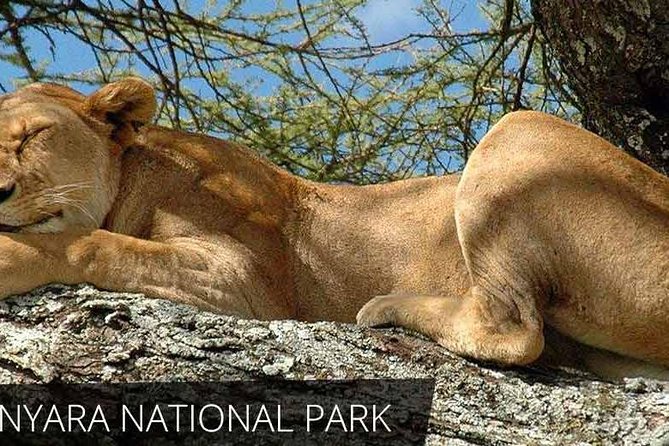
Reviewed · WILDEBEEST MIGRATION SAFARIS
6 Day Serengeti wildebeest migration Camping Safari
The big draw here is the chance to see Tanzania’s Serengeti migration while also visiting Tarangire and Ngorongoro. You get elephants beneath baobabs, open grassland filled with wildebeest and zebra, and a crater where black rhinos, lions, buffalo, and flamingos may all appear within the same six-day trip.
I like the small maximum group of six, which matters when you are sharing a safari vehicle and waiting for a good wildlife sighting. I also like the range of settings: Tarangire’s river and swamps, the dry Rift Valley, the Serengeti plains, and Ngorongoro’s crater floor. The main drawback is the $15,000 per person price, which is very high for a camping safari and deserves careful clarification before you pay.
Key points to know before booking
- The migration is weather-led: Wildebeest movement changes with rainfall, so no operator can promise a particular crossing or herd location.
- Four major areas are included: Tarangire, the Lake Natron and Ngare Sero area, Serengeti, and Ngorongoro.
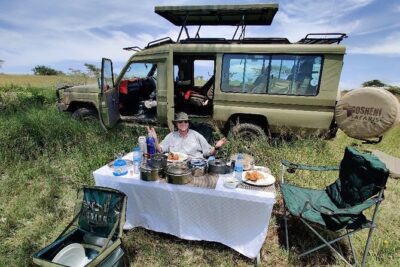
- Camping is part of the experience: You sleep in safari tents with mats, chairs, tables, and a safari cook preparing included meals.
- The group is capped at six: That gives you a better chance of a window seat and a less crowded vehicle.
- The guides are central to the experience: Godfrey, also called Gody, David, Monika, and Calvin are names linked with strong past praise, though the assigned guide is not guaranteed.
- Day two needs clarification: The description calls this stop Lake Manyara, but the actual details focus on Ngare Sero, Lake Natron views, a Maasai-guided waterfall walk, and Ol Doinyo Lengai.
Four northern Tanzania highlights in six days
This is not a slow, single-park safari. You move through several different parts of northern Tanzania, each with its own feel and wildlife. That variety is the tour’s main strength, but it also means some days involve long, rough drives.
The trip begins in Arusha with a morning briefing, then heads toward Tarangire National Park. From there, the route reaches the Rift Valley and Ngare Sero, continues into the Serengeti, and finishes at Ngorongoro Crater before returning to Arusha.
You travel in a 4×4 safari vehicle with an open roof. That is useful for photography and for scanning the grassland, though you should expect dust, bumps, and full days in the vehicle. The itinerary is active rather than restful.
Other park itineraries that start in Arusha:
- Serengeti Balloon Safari and authentic bush breakfast
★ 5.0 · 2,480 reviews - Balloon Safari & Bush Breakfast in Serengeti – Miracle Experience
★ 5.0 · 1,646 reviews - 4 Days Group Camping Safari
★ 5.0 · 1,101 reviews
Day one: elephants and baobabs in Tarangire
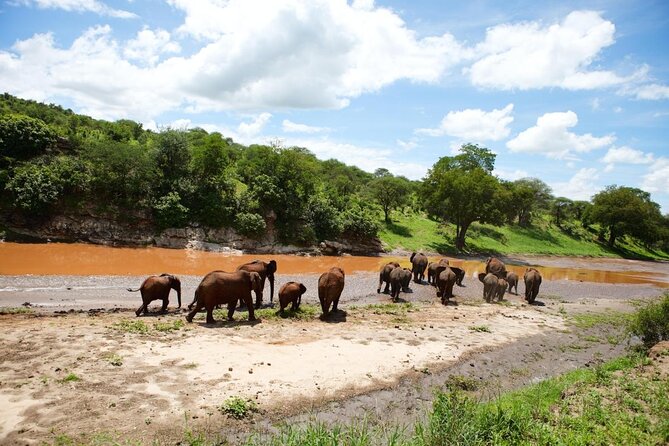
Tarangire is a fine first park because it gives you a quick change from town to open bush. Its baobab trees, seasonal swamps, lagoons, and Tarangire River create a setting that looks different from the Serengeti’s broad grasslands.
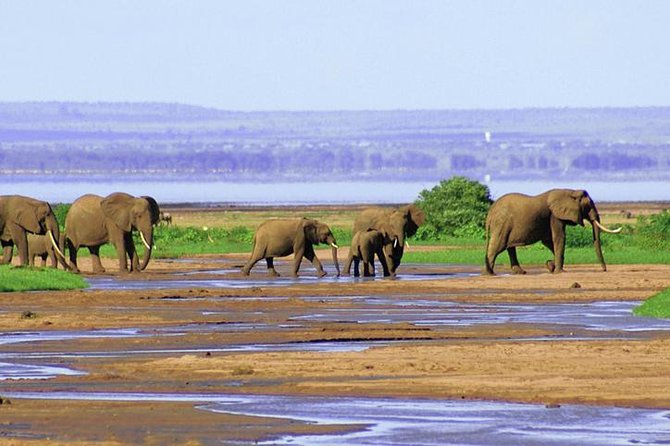
The river draws animals during dry periods. You might see large elephant herds, giraffes, bushbucks, hartebeests, gerenuks, fringe-eared oryx, buffaloes, zebras, and wildebeest. Lions often follow the herds. Leopards are possible, while cheetahs are rarely seen here.
I like that this first game drive is not treated as a mere transfer. You have time to absorb the park from the open roof of the vehicle and begin learning how your guide finds animals. The guide’s skill matters here, especially when looking for less obvious species such as gerenuk or oryx.
The supplied schedule lists no meals for day one, so ask exactly what is provided after the morning briefing and during the Tarangire day. The tour does include meals according to the itinerary, but the meal count and daily schedule should be confirmed before departure.
Day two: a rough Rift Valley route and Ngare Sero
Day two requires the most careful reading. It is labeled Lake Manyara, but the detailed plan describes travel from Tarangire through Mto wa Mbu, along the Rift Valley Escarpment, toward the Lake Natron area and the Maasai village of Ngare Sero.
This is not presented as a standard Lake Manyara wildlife drive. Instead, you follow a spectacular but very bumpy gravel road, with Ol Doinyo Lengai visible in the distance. The mountain is regarded as holy by the Maasai, and its presence gives the day a strong cultural and geological character.
The destination, Ngare Sero, is described as an oasis in the hot Rift Valley. You may see a pink glow from flamingos at alkaline Lake Natron, where the birds feed and breed on algae. The wording says you will notice the lake from a distance, so do not assume a close lake visit or a dedicated flamingo excursion unless the operator confirms it.
In the afternoon, a Maasai guide leads a walk to a nearby waterfall. This adds a welcome break from vehicle time and offers a direct connection with the local setting. Still, the rough road is a real consideration. If you dislike jolting gravel routes, this may be the hardest day physically.
Days three and four: entering the Serengeti
An early start takes you up from the Rift Valley toward the Serengeti. The route uses adventurous dirt tracks and reaches the grassy plains around midday. The name Serengeti means endless plains in the Maasai language, and the view earns it.
You spend two nights in the park, with the campsite listed in the northern or central Serengeti on the first night and the Seronera area on the second. That positioning matters because the park is enormous. The amount of wildlife you see depends partly on where the herds are and how far the vehicle must travel to reach them.
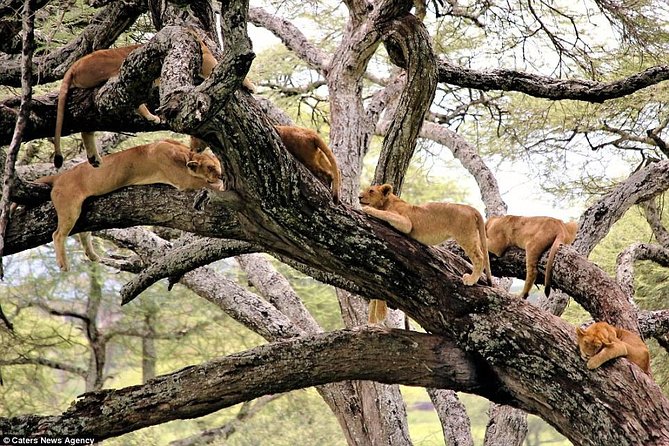
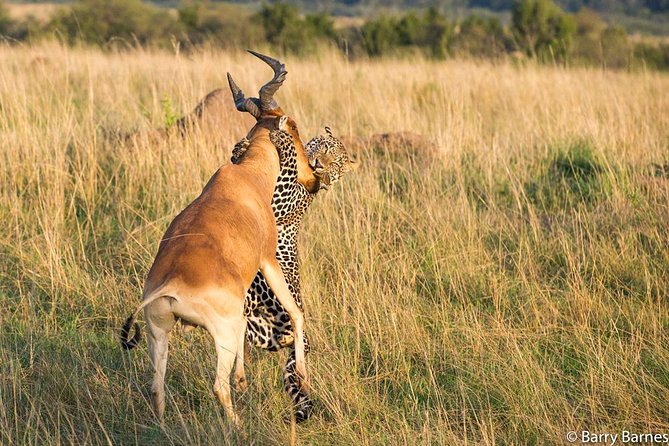
Day four is devoted to a full game drive. Your guide decides which areas make sense based on the migration and recent animal movement. Wildebeest and zebra are the main targets, but predators often follow the herds, so lions, leopards, and cheetahs may also appear.
The timing of the migration deserves a clear warning. During the shorter rains in November and December, herds may move from northern hills toward southern plains. During the longer rains from April through June, they may travel north again. Rainfall varies each year, so the same dates can produce different sightings.
This is why you should book this trip for the Serengeti as a whole, not for one guaranteed scene. The itinerary promises access to migration country, but no honest guide can promise a river crossing, a particular number of wildebeest, or a close predator encounter.
Other safaris people book out of Arusha:
- 5 Days Group Camping Safari
★ 5.0 · 730 reviews - 3 Days Serengeti & Ngorongoro Group Camping Safari
★ 5.0 · 574 reviews - 7-Day Premium Luxury Tanzania Safari All-Inclusive
★ 5.0 · 426 reviews - 3-Day Classic Serengeti Safari
★ 5.0 · 263 reviews
What camping in the Serengeti really means
Camping lets you stay near the parks without paying for permanent luxury lodges. You sleep in safari tents and use the supplied camping equipment, including sleeping mats, chairs, tables, and other basic gear.
The safari cook is an important part of the setup. Meals are included according to the schedule, with breakfast, lunch, and dinner listed on most full safari days. Mineral water is also included.
The information does not describe the exact tent size, bedding, toilet setup, showers, or electricity. Those details affect comfort far more than the word camping suggests, so ask before booking. You should also confirm whether the tents are already set up or whether any guest participation is expected.
Camping suits you if you value time in the parks and can accept simple nights after long drives. It is less suitable if you want polished rooms, private bathrooms, or a relaxed pace each evening.
Day five: a final Serengeti drive and Ngorongoro’s rim
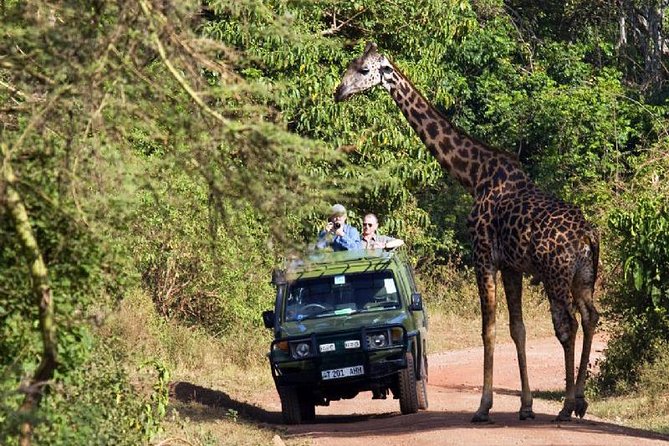
Day five begins with another Serengeti game drive. This gives you one more chance to find species missed earlier, and the stated focus includes the Big Five: lion, elephant, buffalo, rhino, and leopard.
Seeing all five is possible in the wider northern Tanzania region, but it should not be treated as a promise. Rhinos are especially uncertain, and leopard sightings often require patience and luck. Your guide’s local knowledge and the day’s animal movement will shape what happens.
After a picnic lunch, you drive toward Ngorongoro Crater. Reaching the crater rim creates a dramatic change. The caldera opens below you, with a broad bowl of grassland and woodland holding more than 25,000 animals according to the tour description.
You spend the night at a campsite directly on the crater edge. The view is one of the strongest parts of the trip, but again, the practical camping details are not spelled out. Ask about nighttime temperatures, facilities, and what protection from cold or wind is provided.
Day six: wildlife on the Ngorongoro floor
The final day starts at daybreak with a drive down into the crater. Early timing is sensible because it gives you more time on the floor before the afternoon exit and return to Arusha.
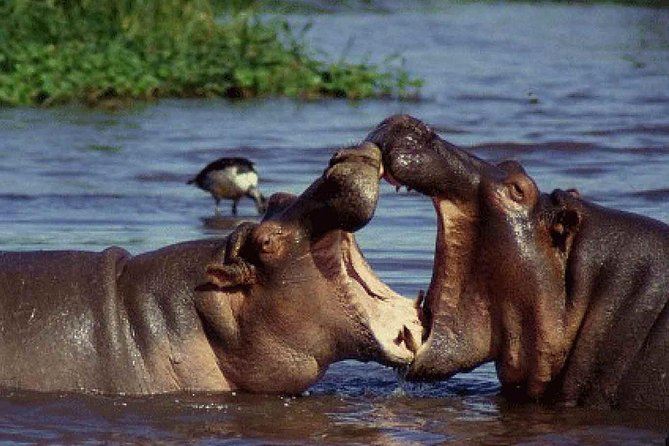
The crater offers a compact mix of habitats. You might see black rhinos, Grant’s and Thomson’s gazelles, lions, leopards, elephants, mountain reedbucks, buffaloes, spotted hyenas, and many bird species. The description also lists rare wild dogs, though any sighting of them should be considered very fortunate.
After the game drive and picnic lunch, you leave the caldera and travel back to Arusha, arriving in the early evening. This is a long final day. Do not schedule an evening flight unless you have confirmed the arrival time and allowed a large buffer.
The guide can make or break the safari
A safari is not just a vehicle and a park ticket. Your guide chooses routes, reads animal behavior, explains birds and mammals, and decides when it is worth waiting at a sighting.
Names praised in past feedback include Godfrey, also called Gody, for giving guests time to visit different areas; David and Monika, for helping create memorable wildlife encounters; and Calvin, who was praised for his interest in birds and for providing books to help identify species. These names are useful to know, but they do not mean one of them will lead your departure.
The strongest practical advice is to ask who your guide will be, how many people will share the vehicle, and how the operator handles changes in herd location. One past account describes a six-person group that worked well together. With a maximum of six, group chemistry still matters, but the number is far better than a crowded vehicle.
Is $15,000 good value for a camping safari?
At $15,000 per person, this trip sits at a very high price point. The package includes a 4×4 vehicle, English-speaking guide, safari cook, tents, camping equipment, meals, mineral water, activities, and national park fees. It also covers several major destinations rather than one park.
Those inclusions have real value. Park fees alone can add up, and a private vehicle, cook, equipment, and small group can make a multi-day safari much easier. Still, the listed price is high enough that you should request a detailed cost breakdown.
Ask if the price is for a private departure or a shared six-person group. Ask whether airport transfers, hotel nights in Arusha, drinks beyond mineral water, and any special permits are included. Flights, visas, tips, souvenirs, and optional activities are not included.
The price may make sense for a private arrangement with premium transport or special dates, but the supplied details do not explain that. I would not pay this amount without confirming the exact vehicle arrangement, accommodation standard, guide assignment, and day two route.
Who should book this six-day route?
I would recommend it to you if you want a concentrated northern Tanzania safari with a strong chance of varied scenery and wildlife. It suits people who are comfortable with early starts, long drives, basic camping, and changing plans based on animal movement.
It is particularly useful for a first safari because Tarangire, the Rift Valley, Serengeti, and Ngorongoro show you several sides of the region. You do not have to choose between elephants, migration country, crater wildlife, and a cultural walk.
I would be cautious if you want a slow holiday or a luxury camp. The itinerary covers a lot of ground, and the Rift Valley road is specifically described as very bumpy. The very high price also makes comparison shopping essential.
Booking is flexible in one useful respect: cancellation is free up to 24 hours before the start time for a full refund. Within 24 hours, the payment is not refunded, and late changes are not accepted. The listed start time is 12:00 am, which looks unusual, so confirm the actual pickup time with the operator.
Should you book it?
Book this safari if the appeal is variety in a small group and you are happy to trade lodge comfort for more time on the road and in the parks. Tarangire’s elephants, the Serengeti’s shifting herds, the Maasai-guided waterfall walk, and Ngorongoro’s crater make a strong six-day route.
Before paying $15,000, get written answers about the day two destination, camping facilities, exact meals, guide assignment, group size, and what kind of departure the price covers. If those details check out, this can be a memorable and wildlife-heavy introduction to northern Tanzania. If they do not, compare it with other operators before committing.
FAQ
How long is the safari?
The safari lasts approximately six days, beginning in Arusha and returning to Arusha in the early evening on day six.
Which parks and areas are included?
The route includes Tarangire National Park, the Lake Natron and Ngare Sero area described under Lake Manyara, Serengeti National Park, and the Ngorongoro Conservation Area.
Is the group private?
The activity has a maximum of six participants. The supplied information does not confirm that every departure is private.
Is pickup available?
Yes, pickup is offered. The listed meeting start time is 12:00 am, so confirm the exact pickup time before the safari.
What type of accommodation is provided?
You stay in safari tents. Camping equipment includes sleeping mats, chairs, tables, and other stated basic equipment.
Are meals included?
Yes. Meals are included according to the itinerary, with breakfast, lunch, and dinner listed on most safari days. Mineral water is also included.
Is the migration guaranteed during the safari?
No. The location of the wildebeest herds changes with rainfall and can vary from year to year. The guide adjusts the game drives according to herd movement.
What is not included in the price?
Flights, optional activities, visa fees, tips, and personal spending for souvenirs are not included.
More camping and lodge safaris from Arusha
- 5 Days Best of Tanzania Luxury Safari Northern Circuit
★ 5.0 · 174 reviews - 6 Days Private Budget Safari
★ 5.0 · 163 reviews - 2 Days Tarangire and Ngorongoro Group Camping Safari
★ 5.0 · 146 reviews - 6 Days Tanzania Budget Camping Safari
★ 5.0 · 145 reviews
More Serengeti safaris from Arusha
- 5-Day Highlights mid-Range Crater, Serengeti, Tarangire
★ 5.0 · 296 reviews - Private 6-Day Tarangire Manyara Crater and Serengeti with Mid-Range Lodges
★ 5.0 · 238 reviews - 5 Days Camping Tarangire, Serengeti & Ngorongoro crater & Visiting Maasai
★ 5.0 · 229 reviews - 4 Days Join Group tour Tarangire Serengeti and Ngorongoro crater
★ 5.0 · 219 reviews
Just added in Arusha
- 4 Days Private Midrange Lodge Safari to Serengeti & Ngorongoro★ 5.0 · 4 reviews
- Extraordinary Hot air Bolloon ride in Serengeti | BURIGI CHATO SAFARIS CO L.T.D★ 5.0 · 6 reviews
- 3 days leopard safaris★ 5.0 · 4 reviews
- 8 Days Serengeti Migration safari★ 5.0 · 11 reviews
- tarangire, ngorongoro & lake manyara park 3 days private tour★ 5.0 · 11 reviews
- tarangire & ngorongoro 2 days tour★ 5.0 · 14 reviews
- Mt. Kilimanjaro: Shira plateau to Cathedral point 3872m Day hike★ 5.0 · 7 reviews
- serengeti, ngorongoro & tarangire 4 days private tour★ 5.0 · 18 reviews
Wildebeest Migration Safaris, compared.
8 Days Great Wildebeest Calving Migration Safari from Arusha
Read our review →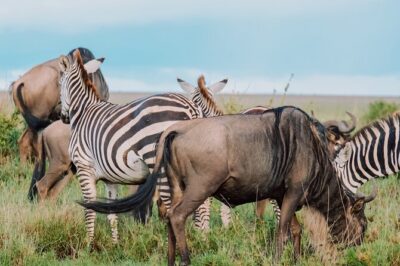
10-Day Serengeti Wildebeest Migration Safari from Arusha
Read our review →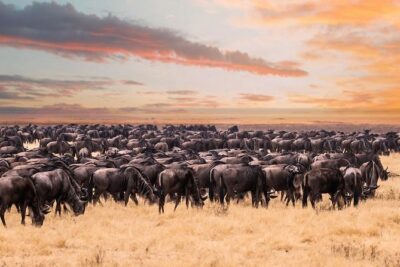
8 Day Spectacular Migration Serengeti mid -Range Tanzania Safari
Read our review →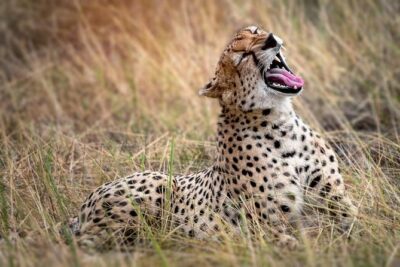
9-Day Serengeti Migration Footsteps Tanzania Safari
Read our review →
Private 6-Day Great Migration Ndutu Serengeti Safari Tour
Read our review →
4 Day Great Migration Safari Serengeti & Ngorongoro Crater
Read our review →Browse the lists this tour appears in